Make work that ships, in a studio built for the AI era.
An independent creative and technology company with studios in New Delhi and Ludhiana and people across India. Brand, technology, campaign, AI, product and marketing technology in one team — agents do the repeatable work, people do the part that needs judgement.
Four weeks in, you will have shipped, built and decided.
The reasons to join, shown as the plan we intend to run for every new hire. Each week leaves something behind that you can point to.
Week 1
Ship something small, for real
You pair with the lead on a live engagement and push one change to production or to a client review. No sandbox project.
Why it mattersWork that ships at scale
Merged change · reviewed by your lead
Week 2
Set up your agents
You get your own AI workspace and build one agent for the repetitive part of your role: drafts, checks, variants or monitoring. It runs against a small eval set before anyone relies on it.
Why it mattersAI as your tooling, not your replacement
Agent + eval set · 20 cases, pass rate logged
Week 3
Sit in the other five disciplines
You join one weekly review outside your discipline: an engineer in a brand critique, a designer in a campaign read-out, a strategist in a model evaluation.
Why it mattersSix disciplines in one room
Review notes · one question you raised
Week 4
Own a decision, in writing
You make a call on your workstream and write it up in the decision log: the options, the trade-off, what would change your mind. It carries your name.
Why it mattersSeniority without the politics
Decision-log entry · credited to you
Week 4, in practice
A sample decision-log entry.
Every call that changes scope, quality or risk goes in the log with the reasoning and a name. Reviews read the log, not the loudest voice in the room.
DECISION LOG · Your platformD-0142
Decision
Ship onboarding copy variants through the agent, with a human approving each market.
Options
A: write by hand · B: agent drafts, human approves · C: agent publishes
Chose
B. C failed 3 of 20 eval cases on regulated claims.
Revisit if
Eval pass rate holds at 20/20 for two releases.
Owner · New hire, week 4Approved by lead
A sample decision-log entry: a new hire chooses to have an agent draft onboarding copy with a human approving each market, because letting the agent publish failed three of twenty evaluation cases on regulated claims, and records when the choice should be revisited.
How and where we work
Two studios, one practice, and the rest of India on the same page.
Work from our studios in New Delhi or Ludhiana, or remotely from anywhere in India for roles marked remote. Whichever you choose, the work moves the same way.
New Delhi
Studio · 01
New Delhi
6 Worldmark, Aerocity New Delhi 110037, India
Studio at Aerocity, ten minutes from the airport — handy for client travel.
Each team agrees its studio days together. Client workshops are in person when that helps the work.
Core hours, 11:00–16:00 IST
A shared window for collaboration. The rest of the day is yours to plan.
Written first
Briefs, decisions and reviews are written down, so remote never means out of the loop.
AI workspace from day one
Licensed models and agent tooling on enterprise accounts, with clear rules on client data.
The practice, concretely
How one piece of work moves through the studio.
A campaign brief, followed from request to record. The same five stations apply to code, research and brand systems.
01 / 05Person
A person writes the brief
The creative lead sets the goal, the audience, the claims that need legal sign-off and what "good" means — as test cases, not adjectives.
Station Brief · Your company
goal
Launch · 3 markets
checks
6 written
owner
Creative lead
Brief B-2291 · 6 acceptance checks
Station 1, Brief, done by person: Brief B-2291 · 6 acceptance checks.
02 / 05Agent
Agents widen the options
A drafting agent produces headline and layout variants inside the brand system. It works on an approved enterprise account; no client material leaves it.
Station Draft · Your company
variants
48
model
Enterprise, zero retention
time
4 min
48 variants · brand system v3.2
Station 2, Draft, done by agent: 48 variants · brand system v3.2.
03 / 05Agent
Evals check every variant
A second agent runs the brief's checks: brand rules, contrast, length, and claims that need proof. Anything uncertain is flagged, not fixed quietly.
Station Check · Your company
pass
41 / 48
flagged
7 · claims
contrast
WCAG 2.2 AA
41 pass · 7 flagged (claims)
Station 3, Check, done by agent: 41 pass · 7 flagged (claims).
04 / 05Person
A person chooses and approves
Designers pick six, rewrite two by hand and send the flagged claims to legal. Nothing reaches a client without a named approver.
Station Decide · Your company
approved
6
rewritten
2
approver
Named, logged
6 approved · 2 rewritten by hand
Station 4, Decide, done by person: 6 approved · 2 rewritten by hand.
05 / 05System
The decision goes in the log
Who approved what, which checks ran, which model version drafted it. Reviews read the log, not the loudest voice in the room.
Station Record · Your company
entry
D-0142
linked
B-2291
retained
With the project
Decision D-0142 · linked to B-2291
Station 5, Record, done by system: Decision D-0142 · linked to B-2291.
The standards
Six standards. We hire on them, review on them and promote on them.
Not values on a wall: the same six appear in every job description, every interview scorecard and every growth review. Here is what each looks like in practice, and where the hiring process checks it.
01
Show the work
Evidence over adjectives.
Looks like
A link, a number or a before-and-after
Your own part on a team project, named
What you would do differently now
Does not look like
"Passionate about innovation"
A list of tools without what you made with them
Where hiring checks itApplication read — we open your links before your CV.
02
Write it down
If it changed the work, it is in the log.
Looks like
Decisions with options, trade-offs and a name
Briefs that a stranger could act on
Short, plain sentences
Does not look like
Decisions made in a hallway and lost
Forty-slide decks where one page would do
Where hiring checks itWork sample — a short written rationale travels with what you make.
03
Check the machine
AI output is a draft until someone has tested it.
Looks like
Evals before trust, and the results kept
Knowing when a model is guessing
A human approver for anything a client sees
Does not look like
Pasting model output into client work
Refusing the tools on principle
Where hiring checks itPairing or exercise — AI is allowed; tell us how you checked it.
04
Say the bad news early
Surprises are the only unforgivable delay.
Looks like
Raising a risk the day you see it
Telling a client what a thing will really cost
Owning a mistake in the review
Does not look like
Green status reports on red projects
Blame in the retrospective
Where hiring checks itConversation — we ask about a decision you got wrong.
05
Finish the craft
The last ten per cent is the job.
Looks like
Edge cases, empty states, the 390-pixel screen
Proofreading your own work
Taking critique without taking it personally
Does not look like
"Good enough for now" that becomes forever
Polish that hides a weak idea
Where hiring checks itPortfolio or code review — we look at the details you chose to fix.
06
Build for everyone
Accessible, inclusive and private by default.
Looks like
WCAG 2.2 AA from the first frame
Research with people unlike you
Collecting only the data a feature needs
Does not look like
Accessibility as a final-week audit
Designing for the team's own devices
Where hiring checks itDesign review — we ask who your work leaves out.
01
Show the work
Evidence over adjectives.
Looks like
A link, a number or a before-and-after
Your own part on a team project, named
What you would do differently now
Does not look like
"Passionate about innovation"
A list of tools without what you made with them
Where hiring checks itApplication read — we open your links before your CV.
02
Write it down
If it changed the work, it is in the log.
Looks like
Decisions with options, trade-offs and a name
Briefs that a stranger could act on
Short, plain sentences
Does not look like
Decisions made in a hallway and lost
Forty-slide decks where one page would do
Where hiring checks itWork sample — a short written rationale travels with what you make.
03
Check the machine
AI output is a draft until someone has tested it.
Looks like
Evals before trust, and the results kept
Knowing when a model is guessing
A human approver for anything a client sees
Does not look like
Pasting model output into client work
Refusing the tools on principle
Where hiring checks itPairing or exercise — AI is allowed; tell us how you checked it.
04
Say the bad news early
Surprises are the only unforgivable delay.
Looks like
Raising a risk the day you see it
Telling a client what a thing will really cost
Owning a mistake in the review
Does not look like
Green status reports on red projects
Blame in the retrospective
Where hiring checks itConversation — we ask about a decision you got wrong.
05
Finish the craft
The last ten per cent is the job.
Looks like
Edge cases, empty states, the 390-pixel screen
Proofreading your own work
Taking critique without taking it personally
Does not look like
"Good enough for now" that becomes forever
Polish that hides a weak idea
Where hiring checks itPortfolio or code review — we look at the details you chose to fix.
06
Build for everyone
Accessible, inclusive and private by default.
Looks like
WCAG 2.2 AA from the first frame
Research with people unlike you
Collecting only the data a feature needs
Does not look like
Accessibility as a final-week audit
Designing for the team's own devices
Where hiring checks itDesign review — we ask who your work leaves out.
Life here
Critique on Tuesdays, demos on Fridays, and deep work in between.
The rhythm we keep so that six disciplines stay one team — in the studio, and on the calls that bring remote colleagues into the same room.
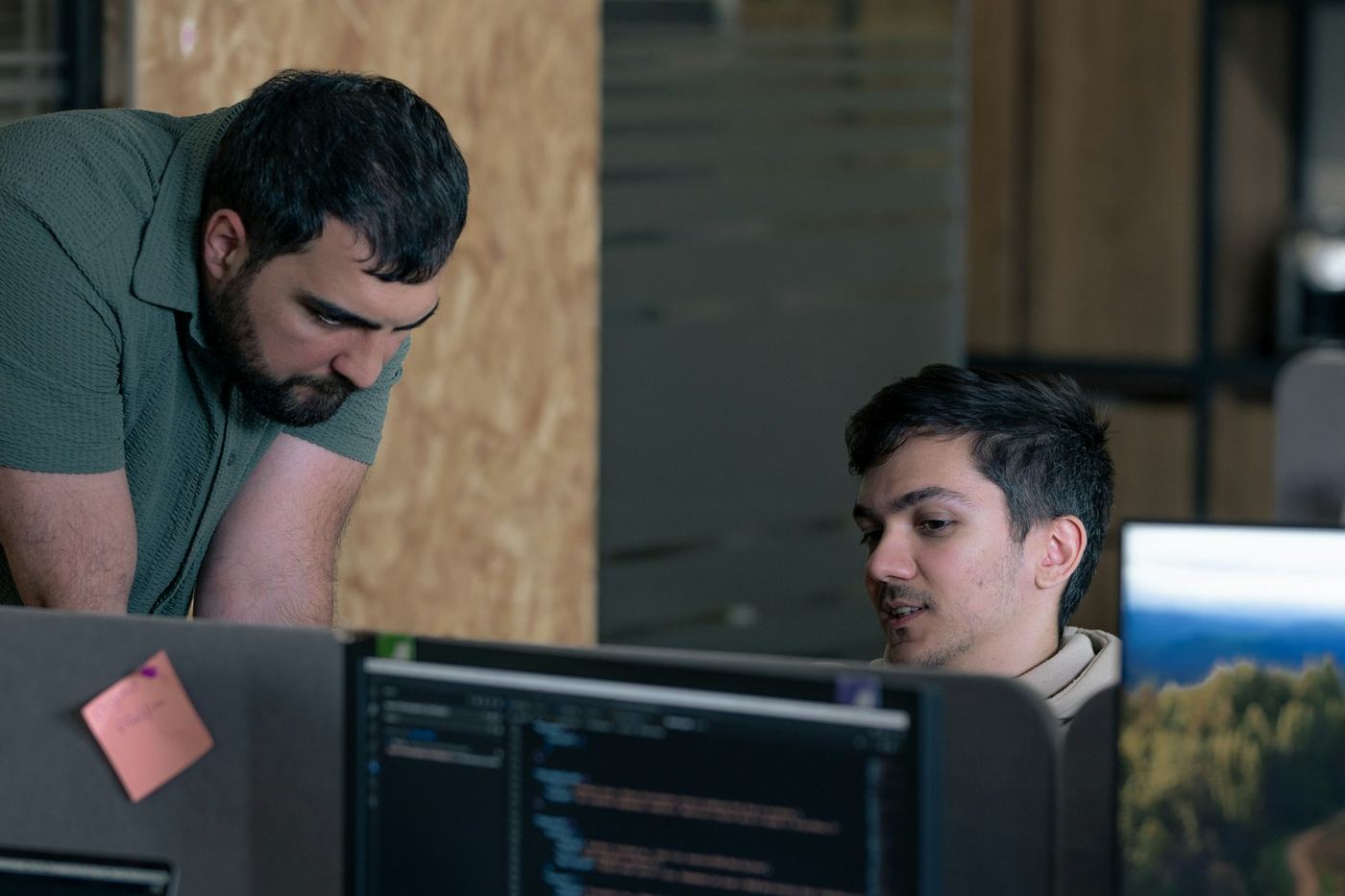
Fig. 01Tuesday critique: paper first, then pixels.
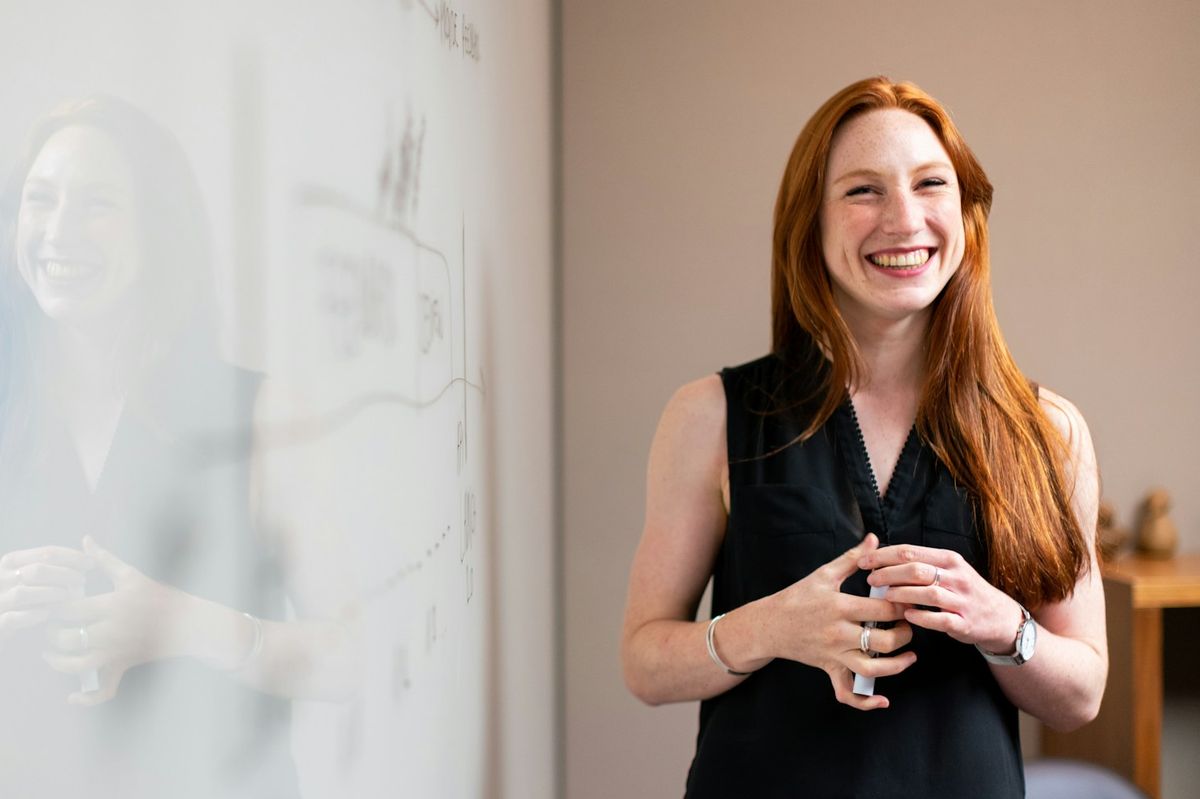
Fig. 02A flow worked out at the board before anyone builds it.
Fig. 03Friday demo: what shipped this week.
Fig. 04Fortnightly one-to-ones, written up by the report, not the manager.
Fig. 05Deep-work mornings: no meetings before two on Wednesdays.
MonTueWedThuFri09:0010:0011:0012:0013:0014:0015:0016:0017:00Core hoursPlans, in writing10:00–10:45Craft critique15:00–16:30Deep work09:30–14:00No meetings · agents run the checksCross-discipline review16:00–17:00Demo and log16:30–17:30
A week in the studio
IST · UTC+5:30
Mon10:00
Plans, in writing Today
Each team posts its week: goals, risks, what it needs from others.
Tue15:00
Craft critique Today
Work in progress on the wall, one discipline at a time. Critique the work, never the person.
Wed09:30
Deep work Today
No meetings before 14:00. Agents run the checks; people make the things.
Thu16:00
Cross-discipline review Today
An engineer in a brand review, a strategist in an eval read-out.
Fri16:30
Demo and log Today
What shipped, what we learned, what went in the decision log.
Once a quarter, everyone — studio and remote — spends a week together in one studio.
A week calendar of the studio day, 09:00 until 18:00 India time, Monday to Friday, with core hours from 11:00 to 16:00 shaded and the five fixed moments of the week placed at their times; the same five are listed beside it.
Benefits
The package, the tools, and the rules that come with them.
A draft of the package we intend to offer. The final benefits for your role are set out in full in every offer letter.
Offer letter · Schedule 2
Benefits
Draft · to be confirmed
2.1Health and family
a)Medical insurance
For you, your partner, your children and your parents.
b)Parental leave
Paid leave for every new parent, and a phased return.
c)Mental health
Confidential counselling sessions, paid by us.
2.2Time
a)Paid leave
Earned leave, sick leave and the public holidays of your state.
b)Winter break
The studio closes between Christmas and New Year.
c)Flexible days
Core hours 11:00–16:00 IST; the rest is yours to plan.
2.3Growth
a)Learning budget
An annual budget for courses, books and conferences.
b)Growth reviews
Twice a year, against the published standards and levels.
c)Internal moves
Change discipline or studio after a year, with support.
2.4Setup
a)Your own machine
A laptop chosen for your work, refreshed every three years.
b)Home office
An allowance for a desk, chair and connection that work.
c)Team weeks
Travel and stay paid for the quarterly team week.
Ways in, and ways up
Four ways in. One ladder, the same standards at every rung.
Whether this is your first job or your fourth career, there is a door. And once you are in, the levels and what it takes to move between them are written down.
011 open now
Internships
Students and recent graduates
Real client work from the first week, a mentor assigned by name, and a learning plan agreed in writing. Strong interns are offered a place on the early-careers track.
Run multi-discipline engagements through our gated model: plans, risks, decisions and the weekly review.
Location
New Delhi
Pattern
Hybrid
Level
Senior
Type
Full-time
New Delhi · Hybrid · Senior · Closes 28 Nov
Posted View role›
No open role matches that search.
Clear a filter, or send a speculative application — someone in the practice reads those too, and strong ones are kept on file for the next opening if you ask.
No. We hire from product companies, in-house teams, research and teaching as readily as from agencies. We look for evidence of the work, wherever it was done.
02Does software screen the applications?
No. Everything you send is read by someone in the practice, and every decision — to go forward or not — is a person’s. Software schedules interviews and searches our own records, nothing more. You may use AI in an exercise; tell us how you checked what it gave you.
03Can I work remotely?
Roles marked Remote can be done from anywhere in India, with a team week in a studio each quarter. Hybrid roles expect you at a studio on the days your team agrees. We cannot hire outside India at the moment.
04Is the salary band on each role real?
Each role shows a band. Until hiring confirms it the page marks it indicative; the confirmed band is stated in your first conversation, before any exercise.
05Is the work sample paid?
Yes. Exercises are short, close to the real job and paid. We never ask for unpaid spec work, and you keep what you make. Each role page shows the brief for its exercise.
06How are notice periods handled?
We plan around them: a long notice period is never a reason we decline an application. Where a buy-out makes sense for both sides, we discuss it openly.
07Can I apply for more than one role?
Apply for the closest one and mention the other in your answers. We route applications between practices when someone would suit another team better.
08Do you help with relocation?
For studio-based roles we discuss relocation support case by case, and put what we agree in the offer letter.
09What happens to my data?
It is used only to consider you for roles here and is seen only by the people running your process. It is deleted six months after the process ends — or, if you tick "keep on file", kept for twelve months so we can tell you about other roles. The full candidate privacy statement is on the application form.
10I need an adjustment for the process.
Tell us on the form or by email — extra time, written questions in advance, captions, a different format. Asking never counts against you, and you do not need to explain why.
Your move
Not the right role yet? Tell us what you would build here.
A speculative application gets the same read as any other: a practitioner in the practice you choose, and a reply either way.