An illustrative diagram of your platform in four layers: Experience (Websites & Apps, Search & AI Visibility); Intelligence (AI Strategy & Agents, AI Product & Automation); Platform & data (Custom Software & Data Platforms, AI Infrastructure & Cloud, Integration & Support); Trust & operations (Cybersecurity & AI Trust, Audits & Assessments, Tech Workforce). Requests move between the capabilities while a status bar shows 95th-percentile latency of 212 milliseconds, 148 of 148 evaluation cases passing, 71 percent of the error budget left and 0.18 grams of CO2e per request.
Four changes drive this: AI inside products, models that change every month, AI answers in search and stricter security and privacy law. Each card names a public source you can check.
These figures describe the market; none is a claim about our own results.
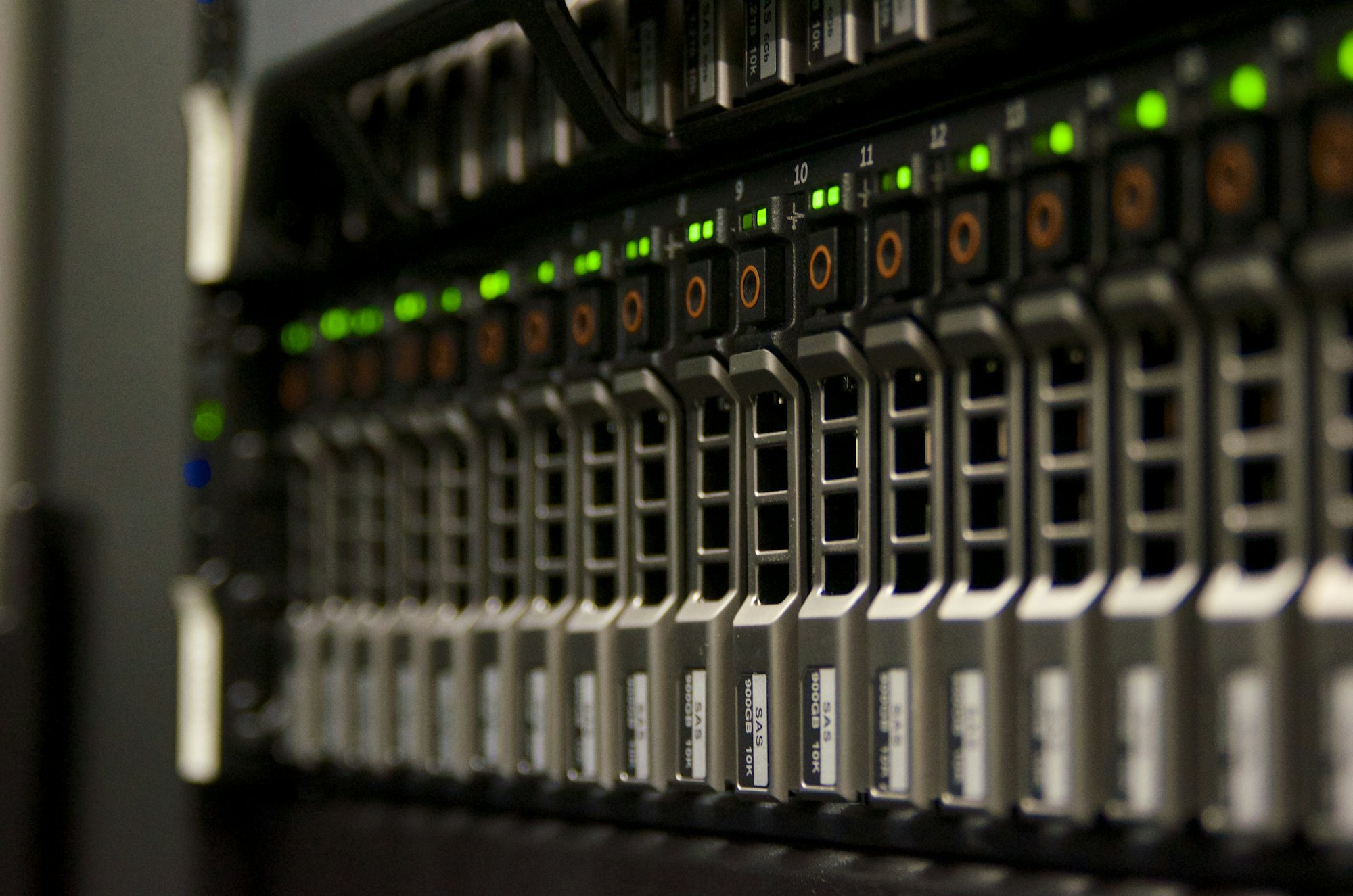
rack-14 · in-regiongpu util 64%p95 212 msWhere your software runsYour cloud account and region, monitored at every layer
01A pilot→In the product
Then: A pilot. Now: In the product.
LLM01
Prompt injection, first on the list
AI inside the product
AI features and agents now sit in customer journeys, where they fail in ways ordinary testing does not catch.
What we do about it
We test AI features on your own examples, add automatic checks and have a named person approve each release.
Each of the ten capabilities builds one or more layers. Pick a layer to see which, or follow one customer question through all four.
trace 7f3a9c · support.answer
An architecture diagram in four layers. Experience: website and web app, mobile app, support chat, search and AI answers. Intelligence: support agent, retrieval, workflow automation, evals. Platform and data: custom apps and CRM, customer data, integration bus, AI gateway, GPU and serverless compute. Trust and operations runs alongside every layer: security and guardrails, observability, audits and the on-call squad. The steps below trace one request through it.
01A customer asks the support assistant on the website.0 ms
02The AI gateway routes the question to a small model first.38 ms
03Retrieval reads the customer profile from the CDP through the integration bus.96 ms
04Guardrails check the draft answer before it leaves.131 ms
05The answer streams back and the trace lands in observability.212 ms
06Audits sample traces like this one every month.sampled
07The squad on call owns it when anything drifts.owned
Sample plans
Five common goals, each with a typical plan.
Choose a goal to see the capabilities, build order, phases, team and quality checks we would typically plan, and what we would measure in the first 90 days.
Platform Composer · Your company · draft planPlan readyTypical ranges
←→ to change goal
Plan: Launch an AI support assistant · 6 phases · 12 weeks · 6 capabilities
Architecture · capabilities involved6 of 10
The capabilities involved in the selected plan are highlighted on the platform map and numbered in build order.
Plans show typical phases and lengths and are not a quote. We scope every engagement with your team before work starts.
Tech stack
The technology we work with, by layer.
174 technologies across 18 layers, from languages to collaboration tools. We are tied to no single model or cloud: each choice is made per task on evidence and revisited when the evidence changes.
Technologies we work with. No partner, reseller or certification tier is implied by any mark on this page.
Layer
174technologies · 18 layers
In all eighteen layers, each choice is made per engagement on evidence, written up in an architecture decision record and kept reversible.
Use the arrow keys to move between technologies; the selected technology is described in the panel beside the wall.
01Languages & runtimes11
TypeScriptTyped front ends and Node servicesJavaScriptThe browser and everything that runs in itPythonAI, data pipelines and fast back endsGoHigh-throughput services and CLIsRustPerformance-critical components and WebAssemblyKotlinAndroid apps and JVM servicesSwiftiOS and iPadOS appsPHPContent sites and mature web platformsJavaEnterprise back ends on the JVM.NETEnterprise back ends on Windows and LinuxNode.jsAPI servers, workers and tooling
02Web & frontend9
ReactInteractive product interfacesNext.jsServer-rendered React sites and appsVjVue.jsProgressive interfaces on existing sitesAngularLarge internal applications with strict structureSvelteLightweight embedded widgets and dashboardsAstroContent-heavy sites with minimal JavaScriptTailwind CSSToken-driven styling at speedThree.js3D views and product configurators in the browserWebAssemblyNear-native compute in the browser
03Mobile6
FlutterOne codebase for iOS and AndroidRNReact NativeMobile apps that share logic with React webExpoFaster React Native builds, updates and releasesiOSNative Apple platform featuresAndroidNative Android platform featuresJetpack ComposeModern native Android interfaces
04Backend & APIs12
NestJSStructured TypeScript APIsFastAPIPython APIs that serve models and dataDjangoAdmin-heavy platforms with a mature ORMLaravelPHP platforms with a rich ecosystemSpring BootJVM services in enterprise environmentsGraphQLOne typed API over many back endsOpenAPI InitiativeAPI contracts that generate clients and testsRedisCaching, rate limits and queuesRabbitMQReliable work queues between servicesTemporalDurable workflows that survive failuresSupabasePostgres, auth and storage for fast startsFirebaseMobile back ends, push and analytics
05Data, analytics & streaming15
PostgreSQLThe default system of recordMongoDBDocument stores for flexible schemasSnowflakeCloud warehouse for analytics at scaleDatabricksLakehouse for data engineering and MLApache SparkDistributed batch and stream processingApache KafkaThe event backbone between systemsApache AirflowScheduled data pipelines with lineagedbdbtTested, versioned transformations in the warehouseClickHouseSub-second analytics on event dataElasticsearchFull-text search and log analyticsGoogle BigQueryServerless warehouse on Google CloudDuckDBFast local analytics inside pipelinesAirbyteConnectors that move data into the warehouseLookerGoverned metrics and dashboardsPBPower BIReporting inside Microsoft estates
06AI & ML frameworks10
PyTorchTraining and fine-tuning modelsTensorFlowProduction ML in Google-centred stacksHugging FaceOpen models, datasets and tokenisersscikit-learnClassical ML: forecasting, scoring, clusteringNVIDIAGPU compute for training and inferenceMLflowExperiment tracking and model registryvLLMHigh-throughput serving for open modelsRayDistributed training and batch inferenceONNXPortable models across runtimesJupyterExploration and reproducible analysis
07Model providers8
OpOpenAIFrontier models behind the gatewayAnthropicFrontier models for long-context and agent workGoogle GeminiMultimodal models and Google Cloud integrationMistral AIEfficient open-weight and hosted modelsMeta LlamaOpen-weight Llama models run in your cloudDeepSeekOpen-weight reasoning models, self-hostedOllamaLocal models for development and offline usePerplexitySearch-grounded answers and citation tracking
08Agents, retrieval & evaluation12
LangChainChains, tools and integrations for LLM appsLangGraphStateful agents with checkpoints and approvalsLlLlamaIndexDocument ingestion and retrieval pipelinesPiPineconeManaged vector search at scaleWeWeaviateHybrid vector and keyword searchQdrantSelf-hosted vector search with filteringMilvusVector search for very large collectionspgpgvectorVectors inside Postgres, no new databaseReplicateHosted open models by APIModalServerless GPUs for batch and bursty inferenceGitHub CopilotAI pair programming in the IDECursorAI-native code editing with review
09Cloud & edge9
AWAWSPrimary cloud for most regulated workloadsMAMicrosoft AzureCloud for Microsoft-centred estatesGoogle CloudCloud for data- and AI-heavy platformsCloudflareEdge, DNS, WAF and bot managementVercelHosting for Next.js front endsNetlifyHosting for static and Jamstack sitesDigitalOceanSimple cloud for smaller workloadsFastlyEdge caching and computeAkamaiGlobal delivery and edge security
10Containers, IaC & CI/CD12
DockerReproducible builds and local environmentsKubernetesOrchestration for services and model servingHelmPackaged Kubernetes deploymentsTerraformInfrastructure as code across cloudsPulumiInfrastructure as code in TypeScript or PythonAnsibleConfiguration for hosts and appliancesArgoGitOps delivery and workflow pipelinesGitHub ActionsCI pipelines with evals and scansGitHubSource, reviews and the audit trailGitLabSource and CI in self-hosted estatesJenkinsCI in established enterprise pipelinesIstioService mesh for mTLS and traffic policy
11Observability8
OpenTelemetryTraces, metrics and logs on an open standardPrometheusMetrics and alerting for servicesGrafanaSLO dashboards for engineering and leadershipDatadogManaged observability across cloud estatesSentryError tracking in front ends and appsNew RelicAPM in established enterprise stacksElasticLog analytics and security eventsPagerDutyOn-call rotation and incident response
12Testing & quality7
PlPlaywrightEnd-to-end tests in real browsersCypressComponent and end-to-end testsSeleniumCross-browser tests in legacy suitesJestUnit tests for JavaScript and TypeScriptk6Load tests before every launchPostmanAPI contract tests and collectionsSonarQubeCode quality and security gates in CI
13Security & identity11
OktaEnterprise SSO and identityAuth0Customer identity and accessOpenIDStandard sign-in across systemsJWTSigned tokens between servicesVaultSecrets management and dynamic credentialsSnykDependency and container vulnerability scanningTrivyImage, IaC and SBOM scanning in CIFalcoRuntime threat detection on KubernetesOWASPASVS, Top 10 and LLM Top 10 as the test barBurp SuiteManual penetration testing1PasswordShared secrets for teams, never in chat
14Integration & messaging9
ZapierQuick automations between SaaS toolsMakeVisual automations with branching logicn8nSelf-hosted workflow automation with AI stepsMuMuleSoftEnterprise integration platformKongAPI gateway, auth and rate limitingTwTwilioSMS, voice and verificationWhatsAppCustomer conversations on WhatsApp BusinessSlSlackAlerts, approvals and copilots where teams workMTMicrosoft TeamsApprovals and bots inside Microsoft 365
15CRM, commerce & payments11
SaSalesforceCRM integrations and custom objectsHubSpotCRM and marketing automationZohoCRM and operations suites for the mid-marketSAPERP integration for orders, stock and financeShopifyCommerce storefronts and headless buildsWooCommerceCommerce on WordPressStripePayments, billing and subscriptionsRazorpayPayments and UPI for IndiaPayPalGlobal checkout and payoutsIntercomCustomer messaging and support inboxZendeskSupport desk integration and AI handoff
16Search, SEO & analytics12
GoogleSearch, Ads and Maps platform APIsGoogle Search ConsoleIndex coverage and query dataGoogle AnalyticsTraffic, conversion and attributionGoogle Tag ManagerConsent-aware tag managementPageSpeed InsightsField and lab Core Web VitalsLighthousePerformance and accessibility audits in CISemrushKeyword and competitor researchAhAhrefsBacklinks and content gapsAlgoliaSite and product searchPostHogProduct analytics, flags and session replayMixpanelProduct analytics and funnelsSoSchema.orgStructured data machines can cite
17CMS & content5
WordPressContent sites and editorial teamsContentfulHeadless content across many surfacesSanityStructured content with live previewStrapiSelf-hosted headless CMSWebflowMarketing sites teams edit themselves
18Collaboration & design7
FigmaDesign source of truth and tokensStorybookComponent library and visual testsJiraDelivery tracking in enterprise teamsConfluenceRunbooks and decision recordsLinearFast issue tracking for product squadsNotionDocs and lightweight planningMiroArchitecture and workshop whiteboards
Standards & frameworks
Frameworks we build to.
We build to these frameworks, so the work itself produces the evidence an auditor asks for. The badges are our own drawings; none is an official seal.
Evidence for auditorsEach control is ticked off against what an auditor will ask to see.Photo: Jakub Żerdzicki / Unsplash
Choose a framework to see what it governs, how it shows up in delivery and which capability pages apply it. The details appear in the panel after the list.
01Security & privacy14 frameworks
02AI governance5 frameworks
03Quality & accessibility3 frameworks
04Sustainability & operations4 frameworks
We also use these without a badge: ISO/IEC 25010 quality characteristics in our definitions of done; the NIST AI 600-1 generative-AI profile alongside the AI RMF; and the FinOps Framework for cloud cost reviews. The OWASP Top 10 for LLM Applications entry follows the 2025 list.
Alignment describes how we work. It does not mean Xterra Edze holds a certification. ISO 9001 and ISO 14001 are management systems for whole organisations; we follow their practices in delivery. Certifications held by Xterra Edze itself: to be confirmed before launch.
Framework1 / 26
Security & privacy · Standard
ISO/IEC 27001:2022
Information security management systems · ISO / IEC
What it governs
Requirements for an information security management system: risk assessment and treatment, with 93 Annex A controls across organisational, people, physical and technological themes.
How it shows up in delivery
Access reviews, change control, supplier risk and logging are built into delivery, so the evidence exists as the work is delivered.
Security & privacy · Attestation framework
SOC 2
Trust Services Criteria · AICPA
What it governs
Controls for security, availability, processing integrity, confidentiality and privacy. Type I tests design at a point in time; Type II tests operation over a period.
How it shows up in delivery
Change approvals, access logs and incident records captured automatically, ready for your auditor.
Security & privacy · Framework
NIST CSF 2.0
Cybersecurity Framework · NIST
What it governs
Six functions for managing cybersecurity risk: Govern, Identify, Protect, Detect, Respond and Recover.
How it shows up in delivery
Current and target profiles that turn security posture into a prioritised, costed roadmap.
Security & privacy · Framework
CIS Controls v8.1
Critical Security Controls and Benchmarks · Center for Internet Security
What it governs
Prioritised safeguards grouped into implementation groups, plus hardening benchmarks for cloud, container and operating-system configurations.
How it shows up in delivery
Cloud accounts, clusters and images hardened to CIS Benchmarks and scanned continuously for unapproved changes.
Security & privacy · Standard
OWASP ASVS
Application Security Verification Standard · OWASP
What it governs
Testable security requirements for web applications and APIs, organised in three verification levels by risk.
How it shows up in delivery
Security requirements written as acceptance criteria at the level your risk profile needs, and verified in CI.
Security & privacy · Awareness standard
OWASP Top 10
Web application security risks · OWASP
What it governs
The most critical web application risks, from broken access control and injection to security misconfiguration.
How it shows up in delivery
Threat-modelled at design, scanned on every merge and tested manually before release.
Security & privacy · Framework
SLSA
Supply-chain Levels for Software Artifacts · OpenSSF
What it governs
Levels of assurance for how software artifacts are built, with verifiable build provenance.
How it shows up in delivery
Signed builds, provenance attestations and an SBOM in SPDX or CycloneDX for every release.
Security & privacy · Standard
PCI DSS v4.0.1
Payment Card Industry Data Security Standard · PCI Security Standards Council
What it governs
Twelve requirements for protecting cardholder data wherever it is stored, processed or transmitted.
How it shows up in delivery
Scope reduced first, with tokenised payments and segmented networks, then controls built for what remains.
Security & privacy · Regulation
HIPAA Security Rule
Safeguards for electronic protected health information · US HHS
What it governs
Administrative, physical and technical safeguards for electronic protected health information (ePHI).
How it shows up in delivery
Access control, audit trails and encryption for ePHI, with business associate agreements for every processor.
Security & privacy · Regulation
GDPR
General Data Protection Regulation (EU) 2016/679 · European Union
What it governs
Lawful basis, data-subject rights, data protection by design and by default, breach notification and DPIAs for high-risk processing.
How it shows up in delivery
Consent, retention and data-subject request flows designed into the product, with DPIAs where the risk calls for one.
Security & privacy · Law
DPDP Act 2023
Digital Personal Data Protection Act, 2023 · Government of India
What it governs
Notice and consent, duties of data fiduciaries, rights of data principals, breach intimation and added duties for significant data fiduciaries, with the DPDP Rules.
How it shows up in delivery
Consent records, notices and data-principal request handling built for India-based users from the first release.
Security & privacy · Standard
ISO/IEC 27701
Privacy information management systems · ISO / IEC
What it governs
Requirements and guidance for managing personally identifiable information as a controller or processor.
How it shows up in delivery
Data maps, retention rules and processor records kept alongside the systems that hold personal data.
Security & privacy · Regulation
CERT-In Directions 2022
Cyber incident reporting directions · CERT-In, Government of India
What it governs
Reporting of specified cyber incidents within six hours, log retention for 180 days within India and clock synchronisation.
How it shows up in delivery
Incident runbooks, log retention and time synchronisation configured so reporting deadlines can be met.
Security & privacy · Directive
NIS2
Network and Information Security Directive (EU) 2022/2555 · European Union
What it governs
Cybersecurity risk-management measures, supply-chain security and staged incident reporting for essential and important entities.
How it shows up in delivery
Risk measures and incident reporting stages mapped to the services we build and run for in-scope clients.
AI governance · Standard
ISO/IEC 42001:2023
Artificial intelligence management systems · ISO / IEC
What it governs
Requirements for establishing, running and improving an AI management system: AI policy, impact assessment, data and lifecycle controls.
How it shows up in delivery
An AI inventory, impact assessments and lifecycle controls are part of how every model and agent is released.
AI governance · Framework
NIST AI RMF 1.0
AI Risk Management Framework · NIST
What it governs
Four functions for trustworthy AI: Govern, Map, Measure and Manage, with a companion profile for generative AI (NIST AI 600-1).
How it shows up in delivery
Risks mapped per use case, measured with evaluation sets and managed with named owners and release thresholds.
AI governance · Regulation
EU AI Act
Artificial Intelligence Act (EU) 2024/1689 · European Union
What it governs
A risk-based regime: prohibited practices, obligations for high-risk systems, transparency duties and rules for general-purpose AI models.
How it shows up in delivery
Each use case classified by risk tier early, with transparency notices, logging and human oversight designed in.
AI governance · Awareness standard
OWASP Top 10 for LLM Applications
Security risks in generative AI applications · OWASP GenAI Security Project
What it governs
Risks specific to applications built on AI models, including prompt injection (LLM01), sensitive information disclosure (LLM02), excessive agency (LLM06) and vector and embedding weaknesses (LLM08).
How it shows up in delivery
Red-team suites for prompt injection, data leakage and tool misuse run in CI before any model or agent release.
AI governance · Knowledge base
MITRE ATLAS
Adversarial Threat Landscape for AI Systems · MITRE
What it governs
Adversary tactics and techniques against machine-learning and AI systems, drawn from real attacks and red-team research.
How it shows up in delivery
Threat models for AI systems mapped to ATLAS techniques, then exercised in red-team tests.
Quality & accessibility · Standard
WCAG 2.2 AA
Web Content Accessibility Guidelines · W3C
What it governs
Perceivable, operable, understandable and robust content, including 2.2 criteria such as focus not obscured, target size and accessible authentication.
How it shows up in delivery
Automated checks in CI plus manual keyboard and screen-reader passes on every key journey.
Quality & accessibility · Metric set
Core Web Vitals
Loading, interactivity and visual stability · Google
What it governs
Good at the 75th percentile of page loads: LCP ≤ 2.5 s, INP ≤ 200 ms, CLS ≤ 0.1.
How it shows up in delivery
Performance budgets enforced in CI, with field data tracked at the 75th percentile for every template.
Quality & accessibility · Standard
ISO 9001:2015
Quality management systems · ISO
What it governs
Requirements for a quality management system built on process control, risk-based thinking and continual improvement.
How it shows up in delivery
Definitions of done, peer review and release checklists that make quality repeatable.
Sustainability & operations · Specification
SCI · ISO/IEC 21031:2024
Software Carbon Intensity · Green Software Foundation
What it governs
A rate of carbon emissions per functional unit: SCI = ((E × I) + M) per R, where E is energy, I is grid carbon intensity, M is embodied emissions and R the unit.
How it shows up in delivery
Carbon measured per request, user or inference, so efficiency work has a baseline.
Sustainability & operations · Metric set
DORA metrics
Software delivery performance · DORA (DevOps Research and Assessment)
What it governs
Deployment frequency, change lead time, change failure rate and failed deployment recovery time.
How it shows up in delivery
Measured from your pipeline from week one, so delivery speed and stability are reported with numbers.
Sustainability & operations · Standard
ISO 14001:2015
Environmental management systems · ISO
What it governs
Requirements for managing environmental aspects, compliance obligations and performance improvement.
How it shows up in delivery
Hosting, device and data-transfer impact recorded beside cost, with reviewed reduction targets.
Sustainability & operations · Standard
ISO 22301:2019
Business continuity management systems · ISO
What it governs
Requirements for planning, testing and improving the ability to keep operating through disruption.
How it shows up in delivery
Recovery time and recovery point objectives set per service, then tested with restore and failover drills.
We build access and audit logging once, in the gateway and every service. The same logs meet clauses in six frameworks, which keeps alignment affordable.
ISO/IEC 27001:2022Annex A 8.15 · Logging✓
SOC 2CC7.2 · Monitoring of system components✓
PCI DSS v4.0.1Requirement 10 · Log and monitor all access✓
An audit log tail showing access events with the actor, action, resource, authentication method, result and trace identifier, including an agent's tool call with its model route and prompt version, a denied export and a person approving a deployment.
retention 400 d · in-regiontamper-evident hash chainclock NTP · IST/UTC
How we use AI
AI-assisted software delivery, under four rules.
Agents draft the spec, the tests and the deployment. Every change then goes through automated tests, AI evaluations and security scans. The console below follows one ticket through eight stages.
Reviewed by peopleAI drafts the code; an engineer reads every line before it merges.Photo: Compagnons / Unsplash
An interactive delivery console. One ticket, adding refund status to a support assistant, runs through eight stages: an agent drafts the spec and the tech lead approves it; an engineer codes with an AI pair and opens pull request 1482; a test agent adds 14 tests; the eval suite passes 148 of 148 cases with faithfulness 0.94; security scans find nothing critical; a named engineer reviews and approves the merge; an agent canaries the release from 5 to 100 percent; and production is observed against its SLO. Other tabs show the code diff, the eval report against its gates and the audit log.
delivery / your-platform / XE-1482 · Refund status in the support assistantIn production · 3 h 32 min
Stage 01 of 8Agent + person
Spec
An agent drafts acceptance criteria and edge cases from the ticket. The tech lead edits them and approves.
Output6 criteria · 3 edge cases · approved
Stage 02 of 8Agent + person
Code
An engineer builds the change with an AI pair in the IDE and opens a pull request with a written summary.
OutputPR #1482 · +212 −38 · 7 files
Stage 03 of 8Agent
Tests
A test agent writes unit and contract tests for the change. The engineer keeps the ones that earn their place.
Output+14 tests · coverage 81.2% → 84.6%
Stage 04 of 8Agent
Evals
The golden set runs against the AI feature: faithfulness, refusals, latency and cost, compared with main.
Output148 / 148 pass · faithfulness 0.94
Stage 05 of 8Agent
Security
SAST, dependency, container and secret scans run on the branch, with prompt-injection cases (OWASP LLM01) in the suite.
Output0 critical · 0 high · 0 secrets
Stage 06 of 8Person
Review
A named engineer reads the diff, the eval report and the scan results, then approves or asks for changes. Agents cannot merge.
!Waiting for a named engineer. Agents cannot merge.
✓Approved by the tech lead · 17:12 · logged
Stage 07 of 8Agent
Deploy
Canary to 5% of traffic, then 25% and 100% while error rate and latency hold. It rolls back on its own if they do not.
Outputcanary 5% → 25% → 100% · 0 rollbacks
Stage 08 of 8Agent + person
Observe
Traces, SLO burn and eval drift are watched in production. The on-call engineer owns anything that moves.
OutputSLO 99.96% · burn 0.4× · no drift
run.logXE-1482 · run 3
14:02spec.agent drafted 6 acceptance criteria, 3 edge cases · approved by tech lead
14:31ide.pair PR #1482 opened · +212 −38 · 31 of 38 suggested lines kept
16:40test.agent +14 tests (12 kept) · coverage 81.2% → 84.6% · all green
16:46eval.runner golden-set@v14 148/148 · faithfulness 0.94 · p95 1.9 s
Why it mattersModels and prompts change. The same 148 cases run on every change, so a regression blocks the merge instead of reaching a customer.
Time
Actor
Action
Model · prompt
Reviewer
Result
14:02
spec.agent
Drafted acceptance criteria
route:large · spec@v7
Tech lead
Approved
14:31
ide.pair
Suggested 38 lines in 3 files
route:code
Tech lead
31 kept
16:40
test.agent
Generated 14 tests
route:code · tests@v3
Tech lead
12 kept
16:46
eval.runner
Ran golden set v14
judge@v5
—
Pass
17:12
Tech lead
Approved merge of PR #1482
—
—
Merged
17:34
deploy.agent
Canary 5% → 100%
—
On-call
Live
RetentionKept with the pull request and the release, exportable to your SIEM, and sampled in the monthly audit.
Agents propose, people approve
Agents draft, test and deploy. A named engineer approves every merge and every production change.
Every AI action is logged
Model, prompt version, inputs, output and reviewer, kept with the pull request and the release.
No client data in public training
Enterprise model endpoints with training turned off, in your region where required.
Secrets never enter a prompt
Credentials stay in the vault. Agents call tools with scoped, short-lived tokens.
What we track on every programme · DORA metrics Illustrative
Lead time for changes
Measured in hoursTicket to production for the run above: 3 h 32 min
Deployment frequency
Daily when neededSmall, reversible changes, released in stages
Change failure rate
Tracked per releaseEvery rollback reviewed in writing
Recovery time
Tracked per incidentRunbooks and on-call from day one
Model updates
New models, tested within days of release.
Each new model is tested on your own cases and adopted only when it scores better or costs less. Changes reach production in a weekly release that must pass four checks.
Model changelog · last 12 months
Nine model releases, each tested on your cases
Eval score
0.81 → 0.93
Cost per 1k requests
$2.40 → $1.02
Adopted
6 of 9
Median time to decision
2 days
A chart of the last twelve months. Nine model releases are marked along the top. The eval score on the golden set rises in steps from 0.81 to 0.93 as six of them are adopted, while the cost per thousand requests falls from 2.40 to 1.02 dollars. Each release can be chosen to see how it was evaluated and what changed.
Eval score · golden setCost per 1k requestsAdoptedEvaluated, not adoptedIllustrative
Weekly releases · 12 weeks Illustrative
Every Thursday, whatever passed the checks goes live
Twelve weekly releases. Eleven went live, with 9 to 23 changes each. Week 7 was held because a refund-intent test score dropped from 0.92 to 0.86; the fix went live in week 8.
W1
W2
W3
W4
W5
W6
W7
W8
W9
W10
W11
W12
✓Testsunit · contract · e2e
✓AI testsyour examples · every AI feature
✓Scanscode · dependencies · secrets
✓Rollout5% → 100% while targets hold
!W7 held. The refund-intent test score dropped from 0.92 to 0.86. Nothing went live; the fix went out with W8.
11 of 12 releases went live1 held by AI tests0 rollbacks
Idea to agent · typical Typical ranges
From a defined problem to production in about six weeks
T+Week 6
Day 0Problem framedOne task, one owner, one measure, and the baseline of how it is done today.Owner signs the measure
Day 2Prototype on real dataA working agent on masked copies of your data, traced end to end.The team who does the work reviews outputs
Day 5Eval baselineA golden set from real cases, scored for quality, cost and latency.Go or stop, decided on the numbers
Week 3Pilot with usersNamed users, human approval on every action, guardrails and spend limits live.Security and legal sign the guardrail policy
Week 6Production with guardrailsRolled out behind the gateway with monitoring, runbooks and an audit log.Sponsor signs the release
How we work with you
From first call to a platform your teams run.
Product, engineering, AI and security teams share the same sprints from week one, and four gates decide when work moves on. Choose a phase to see its decision, team and agent tasks.
A programme plan in five phases, Discover in weeks 1 to 2, Design in weeks 2 to 4, Build in weeks 4 to 16, Launch in weeks 16 to 18 and Run from week 18, across four lanes: product and design, engineering, AI and data, security and quality. Gates: architecture approved after Design, security sign-off after Build, go-live after Launch, and a 90-day review in Run.
Data & readiness auditGolden set · eval planRAG and agents · evals in CIShadow → canaryDrift and eval monitoring
Security & quality
Threat model · DPIA screeningSAST · tests · red-team in CIPen test · load testVulnerability SLAs · audit
Phase 01 · Wk 1–2
Discover
Ends in a decisionWhat to build first, what it must achieve and whether the data can support it.
Deliverables
Problem statement and success measures
Current-state architecture map
Data and AI-readiness assessment
Risk register and DPIA screening
Who takes part
Your sponsorYour product ownerDomain expertsProgramme leadSolution architectAI lead
Where agents assist
Turns interview notes and tickets into themes, with sources attached
Maps systems and data flows from your documents and repositories
Drafts the first risk register for people to review
Phase 02 · Wk 2–4
Design
Ends in a decisionThe architecture, the build order and the quality gates the build has to pass.
Gate · Architecture approved
Deliverables
Reference architecture and decision records
Prototype tested with users
Evaluation set and test plan
Threat model and security architecture
Sprint plan with goals
Who takes part
Solution architectTech leadProduct designerSecurity engineerYour IT and security leads
Where agents assist
Drafts architecture options with trade-offs for the architect to decide
Generates prototype variants from the design system
Proposes evaluation cases from past tickets
Phase 03 · Wk 4–16
Build
Ends in a decisionEvery two weeks: what this sprint delivers, shown working in the demo.
Gate · Security sign-off
Deliverables
Working software every sprint
Tests, AI evaluations and scans on every change
Runbooks written as features land
A decision log kept current
Who takes part
Tech leadEngineersProduct designerQA and evaluation engineerYour product owner, weekly
Where agents assist
Pairs with engineers in the IDE; people review every line
Writes tests and pull-request summaries
Runs the AI tests on every change and flags anything that got worse
Phase 04 · Wk 16–18
Launch
Ends in a decisionGo live, with the rollback rehearsed and the on-call rota staffed.
Gate · Go-live
Deliverables
Load-test report at expected peak
Independent penetration-test report
Cutover plan and rollback rehearsal
On-call rota, runbooks and training
Who takes part
Release managerSite reliability engineerSecurity engineerYour support leadYour sponsor
Where agents assist
Compares AI outputs with your team's decisions in a parallel trial before go-live
Watches the staged rollout and triggers a rollback if error rates rise
Drafts release notes and training material
Phase 05 · Wk 18 →
Run
Ends in a decisionEvery month: what to improve next, decided on service targets, test results and cost.
Gate · 90-day review
Deliverables
Monthly report: service targets, AI test results, cost and carbon
Incident reviews without blame
A ranked improvement backlog
The 90-day review
Who takes part
Service ownerOn-call squadYour product ownerYour finance partner, for cloud cost
Where agents assist
Triages alerts and drafts incident timelines
Watches AI test scores after model or data changes
Flags cost anomalies with a proposed fix for approval
Design · week 3Architecture options on the wall before any are built
Two-week sprints
A goal per sprint, agreed with your product owner.
A demo every sprint
Working software you can click through on a preview environment.
A decision log
Architecture decision records, so choices outlive the people who made them.
Runbooks before go-live
Written as features land and rehearsed before launch.
Sustainability
Lower-carbon software, measured per request.
AI adds energy to every request. We measure carbon per request with the Green Software Foundation's Software Carbon Intensity (SCI) standard, ISO/IEC 21031, and cut it with the same changes that cut cost.
Measured and reportedCarbon reduced by design, then measured
01
Reported per unit of use
SCI per request, per active user or per 1,000 tokens, with what is counted written down.
02
No offsets in the figure
The SCI specification excludes certificates and offsets, so the figure counts reductions only.
03
Choosing the cloud region
We weigh speed, data residency under the DPDP Act and grid carbon together, and record the choice.
0.19 Wh per request, including data-centre overhead
I Grid intensity
653 gCO₂e per kWh where it runs
M Embodied
0.053 g, the hardware's share of its own manufacture
R Functional unit
One answered request
Region · grid intensity and round trip from Delhi users
India West is the default because it carries the widest service coverage of the Indian regions, which usually decides it. India North is cleaner and closer to Delhi users, so it wins wherever its services cover the workload. The choice is made per engagement; both keep data in India.
Practices
Where the carbon went · gCO₂e per request
Baseline0.47
Right-sized models−0.18
Caching and batching−0.05
Carbon-aware scheduling−0.01
Lighter pages−0.01
Idle infrastructure retired−0.04
SCI now0.18
0.18gCO₂e per request
62% below baseline · 179 g per 1,000 requests
Right-sized models
A small model answers first; the large model is used only when the small one is unsure.
Energy per request down 30–60% on routed traffic
Caching and batching
A cache answers repeated questions; offline jobs run in batches instead of one call at a time.
Model calls down 20–40%
Carbon-aware scheduling
Embeddings, reports and fine-tuning run at hours or in regions with a cleaner grid, using live grid data.
Batch emissions down 10–30%
Lighter pages
Image, font and JavaScript size limits are checked on every build, so each visit sends less data to the phone.
Page weight down 30–50%
Idle infrastructure retired
Services scale to zero overnight, clusters are right-sized and unused resources are deleted in a monthly sweep.
Idle spend and hardware carbon down
Typical effects are ranges from published practice and are not client results. Grid intensities are illustrative annual averages; live figures come from your cloud provider and grid data when measured.
Industries
Sector rules built into the software.
Regulation, data residency, latency and human review differ by sector, and we settle each before any code is written. Choose yours to see what applies.
Sector01 / 08
Regulatory notes are a summary for orientation and are not legal advice.
99% of calls ≤ 180 ms · payments API
01 · PCI DSS · RBI · SEBI
Financial services
Payments must be fast, and every decision needs an audit trail.
Regulation
PCI DSS v4.0.1 for card data, RBI directions on IT outsourcing and SEBI's cybersecurity and cyber-resilience framework for market entities.
Data residency
Payment-system data stored only in India under RBI's 2018 direction; customer data processed under the DPDP Act.
Latency & scale
Payment and trading APIs answering 99% of requests within a few hundred milliseconds, with peaks on salary days and at market open.
AI oversight
Every AI-assisted decision logged with inputs, model version and reviewer, with explanations for credit outcomes.
ISO/IEC 27001:2022 — Information security management systems
GDPR — General Data Protection Regulation (EU) 2016/679
EU AI Act — Artificial Intelligence Act (EU) 2024/1689
Typical first projectSecurity-questionnaire readiness, then an AI feature built with tenant isolation.
Measures
Monthly service reports in numbers engineering leaders use.
Speed, reliability, AI quality, security, cost and carbon, reported monthly. Each number has a written definition and a target agreed before launch, so your CTO, CFO and auditor read it the same way.
Service report · Xterra Edze
Your platform
Six concerns · targets agreed before launch · definitions printed beside every number Illustrative
01SpeedOn target
p75 LCP · mobile, field data
2.1s▼ 1.7 s · 12 months
Good ≤ 2.5 s
12 months agoNow
p95 API latency212 ms
Definition · Speed
Largest Contentful Paint at the 75th percentile of real page loads on mobile. Core Web Vitals rate it good at 2.5 s or less, alongside INP ≤ 200 ms and CLS ≤ 0.1. p95 API latency: 95% of requests finish faster than this.
02ReliabilityOn target
SLO attainment · rolling 30 days
99.97%▲ 0.25 pts · 12 months
SLO ≥ 99.9%
12 months agoNow
Error budget left71% · 12.5 of 43.2 min used
Definition · Reliability
The share of requests served well over the window. A 99.9% monthly SLO allows 43.2 minutes of failure in 30 days: the error budget. When it runs out, releases pause and reliability work goes first.
03AI qualityOn target
Faithfulness · golden set
0.94▲ 0.10 · 12 months
Gate ≥ 0.90
12 months agoNow
Eval pass rate148 / 148 cases
Definition · AI quality
The share of claims in an answer that the retrieved sources support — faithfulness, also called groundedness — scored by a judge calibrated against expert labels. The same golden set of real cases runs on every change to a model, prompt or data source. One term, one number, one gate: the hero readout, the run log and the composer all report this figure.
04SecurityOn target
Critical vulnerabilities open
0▼ 6 · 12 months
Target 0 past SLA
12 months agoNow
MTTR · high severity3.2 days
Definition · Security
Confirmed critical findings from scans, penetration tests and reports, counted until the fix is verified in production. MTTR is the mean time from a finding being confirmed to its fix going live.
05CostOn target
Cost per 1,000 requests
$1.02▼ $1.38 · 12 months
Cap ≤ $1.20
12 months agoNow
Spend vs monthly budget94%
Definition · Cost
Compute, model tokens, storage and egress divided by requests served, per 1,000. Reviewed with finance every month using the FinOps Framework, because unit cost says more than the total bill.
06CarbonOn target
SCI per request
0.18gCO₂e▼ 0.29 g · 12 months
Target ≤ 0.25
12 months agoNow
Batch jobs run carbon-aware86%
Definition · Carbon
Software Carbon Intensity, ((E × I) + M) per R, from the Green Software Foundation (ISO/IEC 21031:2024), with R as one request. Offsets are excluded by design, so it only falls when the software uses less.
Weekly
Operations review
Error-budget burn, incidents, AI test scores and anything that paged someone, in fifteen minutes with the on-call engineer.
Monthly
Service report
All six measures against target, including cost and carbon per unit, and what we will change next month.
Quarterly
Business review
The measures agreed before launch, the roadmap and DORA metrics on how delivery is running.
Core Web Vitals · good
LCP ≤ 2.5 s · INP ≤ 200 ms · CLS ≤ 0.1, at the 75th percentile of visits
Error budget
99.9% over 30 days = 43.2 min of allowed failure
Burn-rate alert
14.4× over one hour spends 2% of the month’s budget: page on-call
p95 / p99
The response time that 95% or 99% of requests beat; averages hide the slowest requests
Where we work
Offices in India and Canada, overlapping your hours.
Offices in New Delhi and Ludhiana on India Standard Time (UTC+5:30), and in Saint John, Canada, on Atlantic Time. Between them, our office hours overlap most of the working day in Europe, the Gulf, South-East Asia and North America.
Time zones
2India Standard Time (UTC+5:30) and Atlantic Time in Saint John (UTC−4, UTC−3 in summer)
Office hours
10:00–19:00Nine hours in India, Monday to Friday
Extended shift
+ 3.5 hTo 22:30 IST, by agreement
On call
24 / 7Rota and escalation path, by agreement
Office 01 · India
New Delhi
03:55 IST · UTC+5:30
6 Worldmark, AerocityNew Delhi 110037, India
Work led here
Client and programme leadership
Architecture and AI engineering
Security, audit and assessment work
Office 02 · India
Ludhiana
03:55 IST · UTC+5:30
SCO-2, LGFSCO-1, 3rd FloorNoble Enclave, Opp. Hotel Park PlazaFerozepur Road, Ludhiana, Punjab 141001, India
Work led here
Platform, product and web engineering
Data, QA and AI testing
Managed service, support and the on-call rota
Office 03 · Canada
Saint John
19:25 ADT · UTC−3
120 University AvenueSaint John, NB E2K 1Z3, Canada
Overlap
Your working day against ours, hour by hour
Hours in India000306091215182124Shared
Offices · IndiaIST · UTC+5:30
H1H2
9 hoffice hours
Office · CanadaSaint John · ADT · UTC−3Saint John · AST · UTC−4
8 hoffice hoursSaint John office, Northern summer: open 09:00–17:00 ADT, which is 17:30–01:30 India time.Saint John office, Northern winter: open 09:00–17:00 AST, which is 18:30–02:30 India time.
United KingdomLondon · BST · UTC+1London · GMT · UTC+0
8.5 hin our office hoursUnited Kingdom, Northern summer: a 09:00–17:30 local working day shares 8.5 h with our office hours.8.5 hin our office hoursUnited Kingdom, Northern winter: a 09:00–17:30 local working day shares 8.5 h with our office hours.
EuropeFrankfurt · CEST · UTC+2Frankfurt · CET · UTC+1
8.5 hin our office hoursEurope, Northern summer: a 09:00–17:30 local working day shares 8.5 h with our office hours.8.5 hin our office hoursEurope, Northern winter: a 09:00–17:30 local working day shares 8.5 h with our office hours.
GulfDubai · GST · UTC+4Dubai · GST · UTC+4
9 hin our office hoursGulf, Northern summer: a 09:00–18:00 local working day shares 9 h with our office hours.9 hin our office hoursGulf, Northern winter: a 09:00–18:00 local working day shares 9 h with our office hours.
5.5 hin our office hoursSingapore, Northern summer: a 09:00–18:00 local working day shares 5.5 h with our office hours.5.5 hin our office hoursSingapore, Northern winter: a 09:00–18:00 local working day shares 5.5 h with our office hours.
US EastNew York · EDT · UTC−4New York · EST · UTC−5
7 hin our office hoursUS East, Northern summer: a 09:00–17:30 local working day shares 7 h with our office hours.7 hin our office hoursUS East, Northern winter: a 09:00–17:30 local working day shares 7 h with our office hours.
Now 03:55
Our office hoursExtended shift, by agreementOn-call rota, by agreementShared hoursH1 · H2 handovers
Local working days shown as 09:00–17:30 (09:00–18:00 in the Gulf and Singapore). Shared hours count the office days in India and in Saint John. Handovers are written down: open incidents, releases in progress and anything waiting for approval.
Services & packages
Technology services, bought alone or as one programme.
Services you can start with, from our ten technology capabilities. Pick one and your enquiry reaches the right team with it attached. Each comes as a short sprint, a fixed-scope project or an ongoing team.
01Pick services. Enquire about one, or add several to a brief.
02Choose a package. A sprint, a fixed project or an ongoing team.
03Send the brief. We reply within one working day.
How we work with you
Ways to engage, from a question to an RFQ.
Ask a quick question, send a project brief or issue a formal RFQ. The lead for the work reads each one in full, and any services already in your brief go with it.
For a first conversation, a press request or anything that does not need a scope yet.
You getA reply from a named lead
Start
02Recommended
About 8 minutes5 short steps
Goals, audiences, a budget band and timing, so our first reply can outline the work.
You getOptions and a first scope after one call
Start
03
About 15 minutesYour documents attached
Your documents, deadlines and the procurement and security rules the work must meet.
You getReceipt confirmed and a named bid lead
Start
How it is priced06
Each package shows its pricing model. Work starts once a written scope and quote are agreed.
Opens a project brief with this package chosen.
01In your brief
Typical length
1–3 weeks
Pricing
Fixed fee
02In your brief
Typical length
4–12 weeks
Pricing
Fixed price
03In your brief
Typical length
3–9 months
Pricing
Fixed price per milestone
04In your brief
Typical length
Ongoing · 6-month minimum
Pricing
Monthly fee
05In your brief
Typical length
6–18 months
Pricing
Programme fee · by statement of work
06In your brief
Typical length
Ongoing · 3-month minimum
Pricing
Time & materials
Compare what each package includes
What each package includes and who it suits
Package
Every engagement includes
Best for
SprintA short, fixed-scope engagement that answers one defined question.
Scope and outcome agreed before day one
A senior lead plus the specialists needed
A working review every week
A decision-ready answer or prototype
Discovery, a diagnostic, a prototype or a decision you need to make soon
ProjectA defined scope, delivered for a fixed price.
Statement of work with deliverables and acceptance criteria
A named project lead and a fixed team
A shared plan with dated checkpoints
Source files, yours once paid for
Work you can describe up front: an identity, a platform or a set of tools
MilestoneA larger build in phases you approve and pay for one at a time.
Phases with their own scope, output and sign-off
A go or no-go review at every gate
Re-planning between phases as you learn
Payment tied to accepted milestones
Programmes too large for one contract, where you want control at each step
RetainerReserved monthly capacity to run, improve and extend what we built.
A reserved block of team time every month
Agreed response times for requests and fixes
A monthly review and a rolling backlog
Planned improvements as well as upkeep
Live brands and products that need a steady team without hiring one
EnterpriseA multi-workstream programme with a dedicated team, governance and agreed service levels.
An engagement director and a steering group
A dedicated team across several workstreams
Service levels, reporting and a risk register
Security, legal and procurement reviews in the plan
Large organisations running change across markets, portfolios or business units
SquadA dedicated team that works inside your stack and sprint schedule.
Named specialists matched to your roadmap
Works in your tools, meetings and backlog
Scale the team up or down each month
Knowledge transfer built in from week one
Teams with a clear roadmap that need more senior people quickly
How we work with you
Six terms we enforce in the build.
Answers to what procurement, legal, IT and security teams ask, each shown with the setting or rule that enforces it.
Reviewed togetherDecisions written down as they are made
terms.md · Your company × Xterra Edze6 clauses
§1Usually asked by Legal · Procurement
You own the code and the model configuration
Source code, infrastructure code, prompts, evaluation sets and model and gateway configuration live in your repositories from the first commit, and are yours once paid for.
Every model sits behind a gateway and an eval suite. Changing provider, or bringing a model in-house, is a configuration change we can demonstrate, not a rebuild.
Enforced asgateway config
route "support.answer" { model = var.model }switch.requires = "golden set ≥ gate"exit = open formats, your keys
§3Usually asked by Security · IT
Security from the first commit
Least-privilege access, your single sign-on where you have it, secrets in a vault, scans on every build, and your security questionnaire answered during scoping, not after.
Enforced asCI policy
ci.required = [sast, deps, secrets, iac, image]access = sso + mfa, least privilegesecrets = vault only · never in prompts
§4Usually asked by Security · Risk
People approve, agents assist
Agents draft, test and propose. A named person approves every merge, every production change and any action that reaches your customers, and every AI action is logged.
Enforced asbranch protection
main.required_reviews = 1 # a named personagents.can_merge = falseai_actions.log = [model, prompt, reviewer]
§5Usually asked by CTO · Finance
Measured, not asserted
Targets for speed, reliability, AI quality, security, cost and carbon are agreed before launch and reported every month with their definitions, good months and bad.
Architecture decisions, runbooks, dashboards and onboarding guides are written as the work lands and accepted like any other deliverable, so your team can run it without us.
Yes. You can start with one: an audit, a single AI feature, a website or a squad. Each is scoped and priced on its own and built to connect with the rest when you are ready.
Whichever scores best on your own examples. We work with models from OpenAI, Anthropic, Google, Meta and Mistral and with open-weight models in your cloud. All are called through one gateway and chosen per task on quality, speed and cost. When a new model arrives, we test it on the same examples and switch only if it does better.
Yes. We deploy into your AWS, Azure or Google Cloud account, including India regions, and use enterprise model endpoints with training on your data switched off. Where data may not leave your network at all, open-weight models run inside it.
You do. What we make for you is yours once it is paid for, including code, prompts, evaluation sets and model settings. Tools we already had stay ours, and you get a free, permanent licence to use them.
Early and in writing. We answer your questionnaire during scoping, work under your policies and produce the evidence your auditors ask for as part of delivery. If you are working towards ISO/IEC 27001 or SOC 2, we prepare you for the independent auditor who issues the certificate or report.
Typically four to eight weeks from a defined problem to production. A prototype runs on your data within days and test baselines are set in week one. A pilot with named users starts by week three, with automatic checks in place. Regulated or high-risk uses take longer because review does.
Yes, in whichever shape helps. Engineers can join your sprints, a squad can own a stream of work or we can review and pair while your team builds. Knowledge transfer is planned from the first week.
You choose: a managed service with agreed service levels, or a handover to your team with runbooks, dashboards and training. Either way, we review the first 90 days against the measures agreed before launch.