
What we do

What we do · 01 · Brand Design

Brands that hold together at enterprise scale.

We define who a brand can become across every interaction that shapes it, and build the systems that let it show up that way at scale.

Capabilities
6
Stages
Inception → rollout
Operations
AI-native

Why brand, why now

A brand is no longer a logo and a campaign. It is a system that thousands of people, partners and AI tools produce against every day.

Looking up through the steel and glass lattice of a large public roof Where the brand is experienced nowStores, screens, service desks, partners and AI assistants
  1. 01

    Touchpoints multiplied

    Apps, stores, service, partner channels and AI assistants. The brand is experienced in more places than any team can review.

  2. 02

    Content outran review

    Generative tools make assets faster than brand teams can approve them. The rules have to be written for machines as well as people.

  3. 03

    Portfolios got complicated

    Acquisitions, sub-brands and new ventures pile up. Without architecture, equity spreads thin and customers get lost.

  4. 04

    Scrutiny went up

    Accessibility rules, sustainability claims and AI disclosure are brand questions now, not only legal ones.

What we build in response

Six capabilities

Six ways in. One system out.

Start with any one. Each is scoped and delivered on its own, and each is built to plug into the other five.

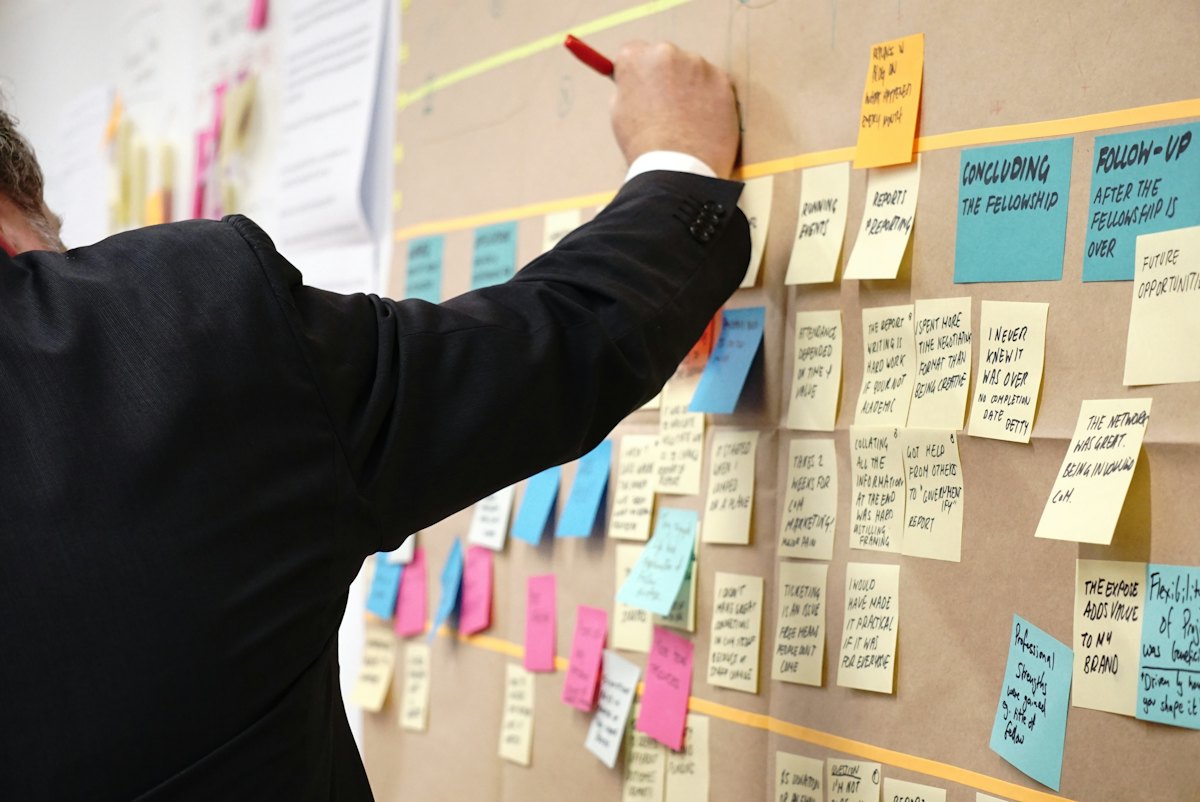
A strategy workshop wall covered in sticky notes and sketches

01 / 06Where to play next

Growth Strategy

Finding the next best customers and the market openings worth chasing.

Growth Strategy finds your next best customers and the openings in the market nobody has taken, then turns them into a sequence of moves your team can run.

What you get

  • Market & category mapFigma · PDF
  • Next-best-customer rankingSheet · Deck
  • Competitive whitespace mapFigma
  • Growth thesisOne page
  • Move roadmap · now / next / laterDeck · Board

When enterprises call us

  • Growth has stalled in the core segment.
  • A new market or category is on the table.
  • Sales and marketing disagree on who the customer is.

Typical length · 4–6 weeks Format · Workshop-led

Explore Growth Strategy
Stacks of blank business cards on a pale surface

02 / 06The code a brand runs on

Brand Identity

The visual, verbal, and behavioral code that carries a brand across every touchpoint.

Brand Identity is the visual, verbal and behavioural code that carries a brand across every touchpoint. We design all three as one system, so a brand sounds like itself wherever it shows up.

What you get

  • Logo system & clearspace rulesSVG · PDF
  • Colour system with tokensFigma · JSON
  • Type system & scaleFigma · font files
  • Voice, tone & lexiconGuidelines
  • Behaviour principles & momentsGuidelines

When enterprises call us

  • The identity no longer fits what the company has become.
  • A merger, spin-off or listing needs a new face.
  • Every team has drifted into its own version of the brand.

Typical length · 6–10 weeks Scope · Visual · verbal · behavioural

Explore Brand Identity
A team working together at a glass wall

03 / 06What everything else stands on

Brand Foundation

The core beliefs, positioning, and principles that guide every decision that follows.

Brand Foundation sets the core beliefs, positioning and principles that guide every decision that follows. Get it right and the identity, the product and the campaigns stop arguing with each other.

What you get

  • Purpose, vision & missionDocument
  • Positioning statement & proofOne page
  • Values & decision principlesDocument
  • Audience definition & insightDocument
  • Brand narrative · three lengthsDocument · Deck

When enterprises call us

  • Leadership describes the company five different ways.
  • A new strategy needs a brand that can carry it.
  • Decisions stall because nothing settles the argument.

Typical length · 3–5 weeks Format · Leadership-led

Explore Brand Foundation
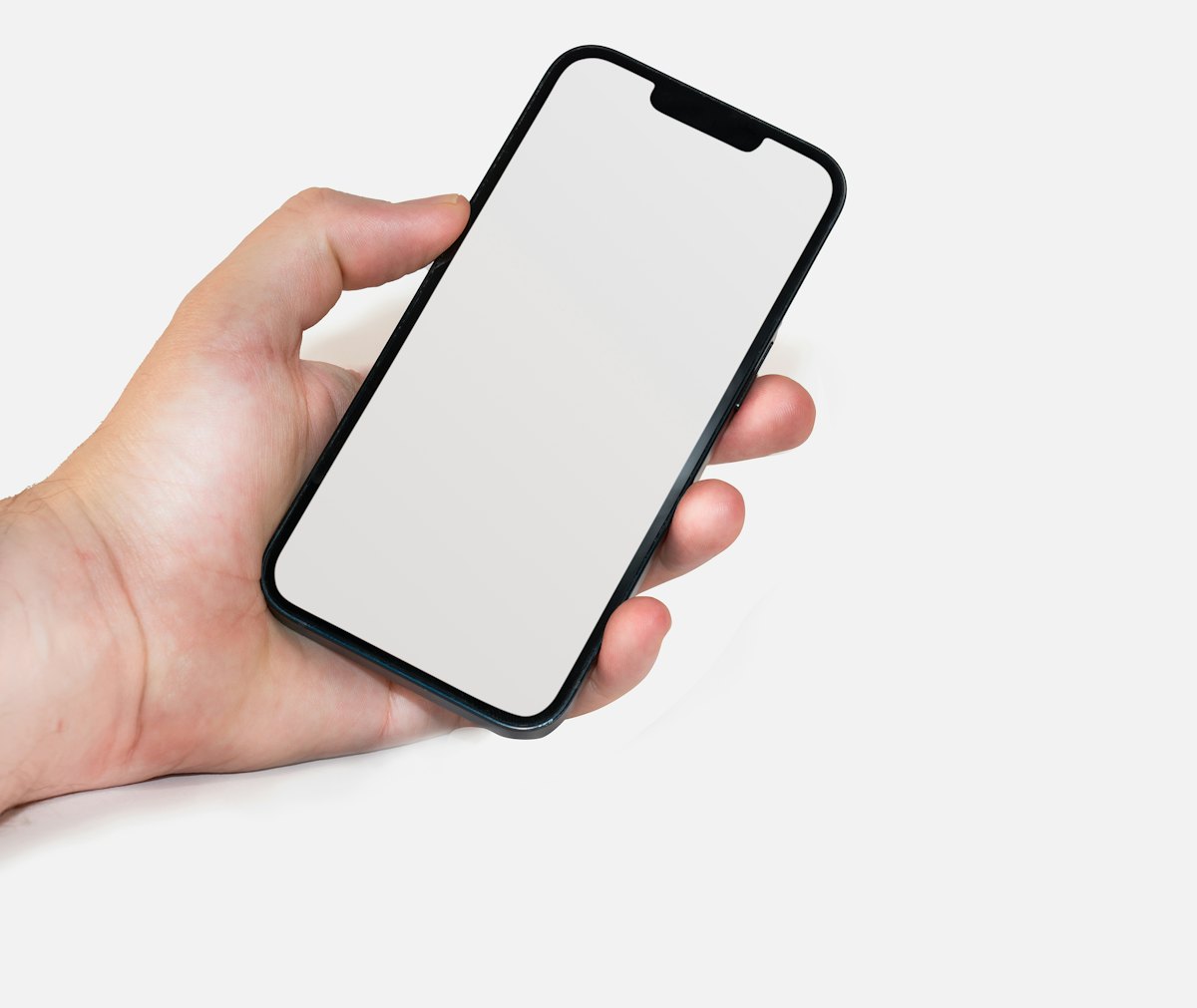
A hand holding a phone with a blank screen in soft light

04 / 06Flex without breaking

Brand Systems

Rules for how a brand flexes and adapts without losing what makes it recognizable.

Brand Systems are the rules for how a brand flexes and adapts without losing what makes it recognisable. Tokens, components and templates that let every team ship on brand at speed.

What you get

  • Design tokensJSON · Figma variables · CSS
  • Component libraryFigma · code
  • Template setFigma · Office · CMS
  • Flex rules & rangesGuidelines
  • Governance modelDocument

When enterprises call us

  • Assets are rebuilt by hand in every market.
  • Product and marketing ship two different brands.
  • Partners cannot stay on brand without a review queue.

Typical length · 6–12 weeks Scope · Tokens · components · templates

Explore Brand Systems
Office towers seen from street level, looking straight up

05 / 06Structure for growth

Brand Architecture

Structuring a brand's offerings and sub-brands so growth doesn't get messy.

Brand Architecture structures a brand’s offerings and sub-brands so growth does not get messy. Which brands exist, how they relate, what each one is allowed to be, and how a customer finds their way through.

What you get

  • Portfolio map & auditFigma · Sheet
  • Architecture model & decision recordDocument
  • Relationship & lockup rulesGuidelines
  • Naming system & nomenclatureDocument
  • Migration plan · phasedRoadmap

When enterprises call us

  • An acquisition has to find its place.
  • A new product needs a name and nobody agrees.
  • Customers confuse two of your offerings.

Typical length · 4–8 weeks Reach · Portfolio-wide

Explore Brand Architecture
Hands working on a laptop at a desk

06 / 06The system, automated

Brand AI Tools

AI-enabled tooling that keeps a brand system consistent and efficient at scale.

Brand AI Tools are the AI-enabled tooling that keeps a brand system consistent and efficient at scale. Models tuned on your brand, guardrails that hold, and every part of it yours.

What you get

  • Brand-tuned image modelWeights · yours
  • Brand-tuned language model or promptsWeights · prompt set
  • Brand checkPlugin · API
  • Generation pipelineComfyUI · API
  • Template engineWeb · API

When enterprises call us

  • Content demand has outrun the brand team.
  • Teams already use generative tools without guardrails.
  • Localisation at volume is slow and inconsistent.

Typical length · 6–10 weeks Tooling · Flux · Firefly · ComfyUI

Explore Brand AI Tools

Inception to delivery

From the first conversation to a brand your teams can run.

Eight stages, one accountable team. Every stage ends in a decision and an artefact you keep. Timings are typical for an enterprise programme and scale with scope.

Typical enterprise programme Illustrative

Discovery & audit

What the brand has to do for the business, what exists today, and what is in scope.

Wk 01–03Typical

The decision
Scope and ambition, agreed by the sponsor.
What you get
Brand auditTouchpoint inventoryStakeholder map
Who is in the room
Sponsor, brand lead and our engagement director.
✦ Where AI assists
Touchpoints crawled and clustered; drift flagged for a person to review.

Research & insight

Customers, employees and the category, heard directly and read at volume.

Wk 02–05Typical

The decision
Which audiences matter most, and what they need.
What you get
Interview synthesisAudience definitionsCategory read
Who is in the room
Customers, sales and service teams, our research lead.
✦ Where AI assists
Transcripts and reviews synthesised into themes, every finding linked to its source.

Strategy & positioning

Purpose, positioning and principles drafted, argued over and tightened.

Wk 05–07Typical

The decision
A positioning the leadership team signs.
What you get
Brand foundationPositioning statementGrowth thesis
Who is in the room
The executive team.
✦ Where AI assists
Positioning options stress-tested against competitor messaging.

Architecture & naming

Every brand and product given a place, a relationship and a naming rule.

Wk 06–09Typical

The decision
Portfolio model and naming rules.
What you get
Architecture modelNaming systemMigration outline
Who is in the room
Portfolio owners, product leads and legal.
✦ Where AI assists
Name candidates screened for language issues across target markets; legal clearance stays with counsel.

Identity design

Visual, verbal and behavioural identity designed together and shown on real touchpoints.

Wk 08–13Typical

The decision
One direction, chosen on real touchpoints.
What you get
Direction boardsVisual & verbal identityMotion principles
Who is in the room
Brand lead, design leads and pilot markets.
✦ Where AI assists
Directions rendered across the full touchpoint inventory for testing.

System & guidelines

Tokens, components, templates and living guidelines built from the chosen identity.

Wk 12–16Typical

The decision
What is fixed, what flexes, and who approves change.
What you get
Design tokensTemplate libraryLiving guidelines
Who is in the room
Product design, marketing operations and IT.
✦ Where AI assists
Rules written as machine-readable tokens and checks that tools and agents can apply.

Activation & rollout

The brand launched market by market, with teams and partners trained to use it.

Wk 15–20Typical

The decision
Launch sequence by market and channel.
What you get
Rollout planLaunch templatesTeam training
Who is in the room
Market leads, agencies and internal communications.
✦ Where AI assists
Localised variants generated within guardrails; every output checked and logged.

Governance & evolution

Ownership, measurement and a release cadence, so the brand keeps improving after launch.

Wk 18 → ongoingTypical

The decision
How the brand is owned, measured and changed.
What you get
Governance modelBrand health trackerRelease cadence
Who is in the room
The brand council.
✦ Where AI assists
Brand check monitors live assets and reports drift to the brand owner.
Stage 01 of 08

AI-native brand operations

Your brand, as software. Guidelines that check, generate and keep current.

We turn the brand into machine-readable rules, then build agents that apply them: checking every asset, generating within guardrails and keeping guidelines current. People set the rules and make the calls.

An interactive demonstration of a brand operating system. In the Check tab an agent scans three sample assets, flags one issue in each (low contrast, tight clearspace, an unsubstantiated claim), proposes a fix, and a person approves it, which is written to the log. The Generate, Guidelines and Log tabs show generation within guardrails, a guidelines answer with its changelog, and the audit log.

Brand OS · Your brand · workspace Agent online

Brand check6 / 6 pass

  • Colour tokens
  • Clearspace
  • Type scale
  • Contrast · WCAG AA
  • Tone of voice
  • Claims & disclosures

Suggested fix

Call-to-action contrast is 3.4:1

Needs 4.5:1. Switch the label to ink on paper.

White label on pale blueInk label on paper

Partner lockup clearspace is 0.4×

Needs 1×. Move the partner lockup right.

Lockups 0.4× apartLockups 1× apart

Unsubstantiated claim

Use a specific, evidenced claim from the claims library.

“The greenest choice on the shelf.”“Carton made with recycled board.”

Approved by Brand reviewer · logged

Prompt

Launch visual for Market 03, 4:5, product in use, calm light

Guardrails

  • Palette locked
  • Approved photography style
  • Brand type scale only
  • Claims from the approved library
  • Released imagery only
  • Generated output 1 ✓ Pass
  • Generated output 2 ✓ Pass
  • Generated output 3 ! Review · crop hides product
  • Generated output 4 ✓ Pass

Answer · from the living guidelines

Yes. Use the reversed lockup with 1× clearspace, on a background from the approved dark palette.

4.2 Co-branding2.1 Clearspace

Changelog

  • v3.2Small-text contrast rule tightened; affected templates updatedApproved by Brand owner
  • v3.1Market 07 added to the localisation setApproved by Brand council
  • v3.0Motion principles publishedApproved by Brand owner
TimeAssetAgent actionHuman decisionStatus
10:42Market 03 · socialContrast fixed by agentApprovedShipped
10:31Partner · web bannerClearspace flaggedSent to reviewerIn review
10:18Market 07 · emailLocalised variant generatedSigned off in-marketShipped
09:56Retail · posterClaim flagged · rewrite proposedRewritten by copy leadShipped
09:40GuidelinesRule update proposed (v3.2)Approved by Brand ownerReleased
  1. 01

    Research synthesis

    Interviews, reviews and market signals turned into themes with sources attached.

  2. 02

    Generation within guardrails

    Variants produced from approved parts only.

  3. 03

    Automated brand check

    Every asset checked before it ships, not after.

  4. 04

    Localisation at scale

    Market versions drafted, then signed off in-market.

  5. 05

    Drift monitoring

    Live channels watched; the brand owner sees what slipped.

Judgement and governance

Agents do the repetition. People make the calls.

AI takes the volume. Accountability stays with named people on your side and ours, and every step is recorded.

  • Research

    Agents: Synthesises interviews, reviews and market signals

    People decide: Which insight matters, and what we do about it

  • Generation

    Agents: Produces variants from approved parts

    People decide: What ships, and what is never automated

  • Compliance

    Agents: Flags drift, contrast and claim issues on every asset

    People decide: Exceptions, and when a rule should change

  • Localisation

    Agents: Drafts market versions and length fits

    People decide: In-market reviewers sign off meaning and nuance

  • Guidelines

    Agents: Proposes updates when patterns repeat

    People decide: The brand owner approves every release

  • Monitoring

    Agents: Reports drift across live channels

    People decide: The brand council sets priorities

Two colleagues reviewing printed documents together at a table Human in the loopEvery release has a named human owner.
  • Your models, your accounts

    Weights, prompts, pipelines and logs sit in your cloud and transfer on delivery.

  • Data stays scoped

    Your assets are used only for your brand. Data handling is agreed in writing before anything is shared.

  • Every output recorded

    Provenance and approvals are logged, with content credentials attached where the channel supports them.

  • Tools chosen on evidence

    Flux, Adobe Firefly and ComfyUI for images; Gemini, OpenAI or Anthropic models for language, picked per task. We hold no partner badges and switch when the evidence changes.

What you receive

Everything handed over, in files your teams can use.

No deck about what comes next. Source files, tokens, templates, guidelines and models, organised the way your teams work and owned by you.

Your brand /

Transfers to your accounts on delivery

  • Market & category map

    FigmaPDF

  • Next-best-customer ranking

    SheetDeck

  • Competitive whitespace map

    Figma

  • Growth thesis

    One page

  • Move roadmap · now / next / later

    DeckBoard

  • Measurement frame

    Sheet

  • Logo system & clearspace rules

    SVGPDF

  • Colour system with tokens

    FigmaJSON

  • Type system & scale

    Figmafont files

  • Voice, tone & lexicon

    Guidelines

  • Behaviour principles & moments

    Guidelines

  • Motion principles

    VideoLottie

  • Identity guidelines

    WebPDF

  • Launch templates

    FigmaOffice

  • Purpose, vision & mission

    Document

  • Positioning statement & proof

    One page

  • Values & decision principles

    Document

  • Audience definition & insight

    Document

  • Brand narrative · three lengths

    DocumentDeck

  • Foundation on a page

    PDFPrint

  • Design tokens

    JSONFigma variablesCSS

  • Component library

    Figmacode

  • Template set

    FigmaOfficeCMS

  • Flex rules & ranges

    Guidelines

  • Governance model

    Document

  • System documentation site

    Web

  • Release notes & versioning

    Changelog

  • Portfolio map & audit

    FigmaSheet

  • Architecture model & decision record

    Document

  • Relationship & lockup rules

    Guidelines

  • Naming system & nomenclature

    Document

  • Migration plan · phased

    Roadmap

  • New-brand test

    One page

  • Brand-tuned image model

    Weightsyours

  • Brand-tuned language model or prompts

    Weightsprompt set

  • Brand check

    PluginAPI

  • Generation pipeline

    ComfyUIAPI

  • Template engine

    WebAPI

  • Guardrails & eval set

    Tests

  • Output log & governance

    Dashboard

  • Rollout plan

    Roadmap

  • Launch templates

    FigmaOffice

  • Team training

    Recorded sessions

  • Governance model

    Document

  • Brand health tracker

    Dashboard

  • Decision log

    Document

Source files, tokens, templates and model weights transfer to your accounts. Nothing is retained or reused elsewhere.

In the world

One system, on every surface it meets.

A sign read from across a terminal. An app opened in a hurry. A box on a doorstep. Each surface has its own rules, and all of them come from the same system.

A blank lightbox sign in a bright transit hall
WayfindingType size set by viewing distance.
A hand holding a phone with a blank screen
AppTokens shared with the product UI.
A plain white mailer box on a pale surface
PackagingOne grid across every pack size.
A plain takeaway cup held in a hand
Takeaway cupMarks that survive curves and heat.
Stacks of blank business cards
StationeryPrint colour matched to the screen tokens.
A plain canvas tote bag
ToteMinimum sizes for fabric and embroidery.
EmailEventsUniformVehicle liveryProduct UIVoice assistantAnnual reportCareers sitePartner portalTrade showService deskRetail fit-out

Industries

Same discipline, different stakes in every sector.

Regulation, buying cycles and where the brand is experienced change what good looks like. We start from the constraints of your sector.

Industries we serve
Glass office towers in a financial district

01Sector

Financial services

Trust is the product.

  • Clarity under regulation
  • Consistent disclosures across channels
  • A digital identity that still reads as secure
Regulated communications · approval workflows
A scientist using a pipette in a laboratory

02Sector

Healthcare & life sciences

Every word is reviewed.

  • Patient and professional audiences in one system
  • Plain language and accessibility
  • Product brands under a corporate master
Medical, legal and regulatory review
Close-up of server hardware in a data centre

03Sector

Technology & SaaS

The product changes monthly. The brand can’t.

  • Tokens shared with the product UI
  • Naming for fast-growing feature sets
  • One voice for developers and enterprise buyers
Release cadence · product surfaces
A minimal clothing store interior

04Sector

Consumer & retail

Won or lost on a shelf and a screen.

  • Packaging systems that scale across ranges
  • Seasonal flex without drift
  • Content at marketplace volume
Retailer and marketplace specs
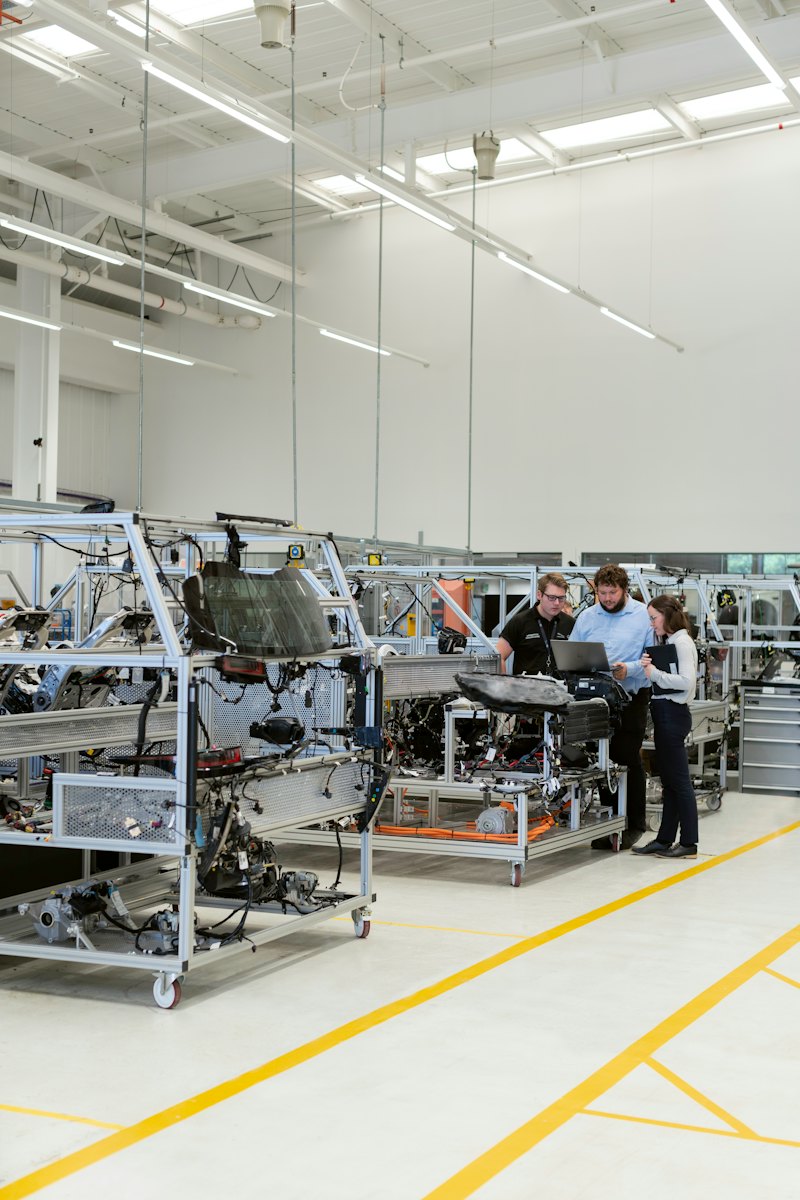
Engineers working on the floor of a manufacturing plant

05Sector

Industrial & manufacturing

Complex portfolios, long buying cycles.

  • Architecture across divisions and acquired brands
  • Technical documentation as a touchpoint
  • An employer brand that attracts engineers
Distributor networks · multilingual technical content
Wind turbines across a rolling landscape

06Sector

Energy & utilities

Under public and regulatory scrutiny.

  • A transition story backed by evidence
  • Clear customer communication
  • Safety-critical signage and fleet
Claims scrutiny · regulated customer communications
The white shelves and stairs of a modern public library

07Sector

Public sector & institutions

Accessible to everyone, by design.

  • Accessibility built into every token
  • Plain language
  • An identity that scales across departments and services
Accessibility standards · procurement frameworks
A modern hotel lobby with a marble reception desk

08Sector

Hospitality & real estate

The brand is a place.

  • Wayfinding and environmental design
  • Architecture across properties
  • A consistent experience across owners and operators
Owner–operator models · physical rollout

Global scale

One system, many markets, many brands.

Enterprise brands rarely launch once. They roll out market by market, absorb acquisitions and hand work to hundreds of partners. We design for that from the first week.

Rollout by market Illustrative

MarketIdentityTemplatesDigitalSignagePackagingTrainingScript
Market 01EMEA Live Live Live Live Live Live Latin
Market 02EMEA Live Live Live Live Live Live Latin
Market 03APAC Live Live Live Live Live Live Devanagari
Market 04EMEA Live Live Live Live Live Live Arabic · RTL
Market 05Americas Live Live Live Live Live Live Latin
Market 06APAC Live Live Live Localising Localising Live CJK
Market 07Americas Live Live Live Localising Localising Live Latin
Market 08APAC Live Live Live Localising Localising Live Devanagari

Transcreation, not translation: in-market reviewers sign off every market.

Script-ready type pairingsLength-expansion rulesRight-to-left layoutsLocal flex ranges

After an acquisition

Every brand gets a place, a relationship and a migration path, so customers are never left guessing.

Governance that travels

Clear owners at the centre, clear ranges at the edge.

  • Tiered approvals: what markets change on their own, and what needs the council.
  • Local flex within written ranges.
  • One source of truth that every partner and tool reads from.

Sustainability & responsibility

Responsible by design, not by claim.

Brand decisions carry material, digital and social costs. We build responsible defaults into the system, and we will not help a brand say more than it can prove.

Morning light over an open landscape

Claim checkSources required

“Our packaging is 100% sustainable.”

Too broad to substantiate. Name the material and the evidence.

Suggested“Our cartons use recycled board. Evidence on file.”

  1. 01

    Materials & packaging

    Guidance on substrates, inks, finishes and formats, written into the system so every market starts from the same responsible defaults.

    Packaging specification
  2. 02

    Digital carbon

    Lighter identities for screens: subset variable fonts, image budgets, and motion that respects bandwidth and battery.

    Asset weight budgets
  3. 03

    Accessibility

    Colour tokens that meet WCAG contrast, type that stays legible, and a reduced-motion version of every animation.

    Accessibility checks in the brand check
  4. 04

    Inclusive design

    Imagery and language guidance written and reviewed with the people it portrays.

    Inclusive imagery & language guide
  5. 05

    Honest ESG storytelling

    Claims matched to evidence, specific rather than sweeping, and checked against the rules in each market you operate in.

    Claims library & review

Weight is a brand decision

Budgets for fonts, images, scripts and motion are set with your team and enforced by the brand check.

Illustrative

Unbudgeted launch page

Budgeted with the system

FontsImagesScriptsMotion

Measurement

Brand is an asset. We track it like one.

A small set of measures agreed before launch and tracked in one place, from whether the system is used to what it is worth. The dashboard below is illustrative.

  1. 01

    Consistency

    Is the system being used?

    Brand check pass rateTemplate adoptionDrift reports

  2. 02

    Efficiency

    Is it faster and cheaper to be on brand?

    Time to marketAsset reuseCost per asset

  3. 03

    Perception

    Do people notice and remember?

    AwarenessDistinctivenessConsideration

  4. 04

    Value

    What is it worth to the business?

    Pricing powerRetentionBrand contribution, modelled with finance

Brand health · Your brand Illustrative
  • Brand check pass rate

    Index 118

    ▲ vs baseline

  • Template adoption

    Index 131

    ▲ vs baseline

  • Time to market

    Index 84

    ▼ faster

  • Distinctiveness

    Index 107

    ▲ vs baseline

Consistency by market

MarketCheck passTemplate useDistinctiveness
Market 01 90 of 100 80 of 100 60 of 100
Market 02 80 of 100 90 of 100 70 of 100
Market 03 60 of 100 70 of 100 50 of 100
Market 04 90 of 100 60 of 100 80 of 100
Market 05 70 of 100 50 of 100 60 of 100
Market 06 50 of 100 60 of 100 40 of 100

Indexed against the pre-launch baseline (100). Figures are illustrative, not client results.

Ways to work together

Start where you are. Scale when it works.

Four ways to engage, each with a named lead and a clear scope. Most clients start with a sprint and grow from there.

  • 01

    Brand sprint

    One capability, scoped and delivered on its own.

    Typical length
    3–10 weeks
    Best for
    A contained problem: a foundation, an architecture decision, a brand check
    Team
    Capability lead and specialists
    Discuss this model : Brand sprint
  • 02 Most complete

    Brand programme

    Inception to rollout, end to end.

    Typical length
    16–24 weeks
    Best for
    Rebrands, mergers and new ventures
    Team
    Engagement director with strategy, identity, systems and AI leads
    Discuss this model : Brand programme
  • 03

    Brand office

    Your embedded brand team after launch.

    Typical length
    Ongoing · monthly
    Best for
    Governance, templates and campaigns built on the system
    Team
    System editor, designers and a brand strategist
    Discuss this model : Brand office
  • 04

    Brand AI operations

    The brand OS, run as a managed service.

    Typical length
    Ongoing
    Best for
    High content volume across many markets
    Team
    AI lead, brand reviewer and engineers
    Discuss this model : Brand AI operations

How we work with enterprises

The terms we work on.

Procurement, legal, IT and security teams ask the same questions. Here are the answers before they have to.

A leadership team in discussion around a table in natural light
  • 01

    You own everything

    IP, source files, tokens, templates, model weights and logs transfer on delivery. Nothing is retained, resold or used to train anything else.

  • 02

    Security from day one

    NDA before discovery, least-privilege access, your single sign-on where available, and data kept in regions we agree in writing.

  • 03

    Governance built in

    Decision records, clear ownership and a release cadence, so the brand never depends on us to keep running.

  • 04

    Independent on tools

    No partner badges. Model and tool choices are made on evidence, documented and reversible.

  • 05

    Accessible by default

    Contrast, legibility and reduced motion are part of the system and part of the brand check.

  • 06

    One accountable team

    A named engagement director and the same leads from discovery to rollout.

Questions

Brand Design, asked directly.

Anything else? Ask the people who would run your programme.

Ask the team directly

With Brand Foundation, because it is the cheapest place to be wrong. When the foundation already holds, Identity or Growth Strategy are the usual next steps.

Yes. Each of the six is scoped and priced as a sprint of its own. What changes is that the work is built to plug into the rest of the system when you are ready.

Both. Most of our work is a brand that already exists and needs a sharper system around it. A new mark is the exception, not the rule.

Typically four to six months from discovery to first rollout, longer for multi-market portfolios. A single capability sprint usually runs three to ten weeks. We scope it with you before anything starts.

Research at volume, production at scale and the checks no team can do by hand. The decisions, and the taste, stay with people. Brand AI Tools is where the two meet.

Yes. Models, pipelines and logs can be deployed into your cloud accounts under your security policies. Where that is not possible, data handling is agreed in writing before any asset is shared.

Yes. We often build the system and your agencies produce on it. Templates, checks and guidelines are designed so partners can ship on brand without routing everything through us.

We expect them. An NDA before discovery, a statement of work per phase, and early answers to your security questionnaire, so review runs alongside the work instead of in front of it.

Everything. Source files, tokens, templates, guidelines, model weights and logs ship into your accounts. Nothing is retained, resold or trained on elsewhere.

Let’s build what happens next.

Tell us what you’re building. We’ll answer straight.

Book a discovery call