What we do · 04 · AI Design

AI assistants, content and brand models that customers and teams can trust.

AI assistants, AI-made films and images, brand-tuned models and the training to use them safely.

Capabilities
4
Models
Chosen per task by testing
Every output
Approved by a named person

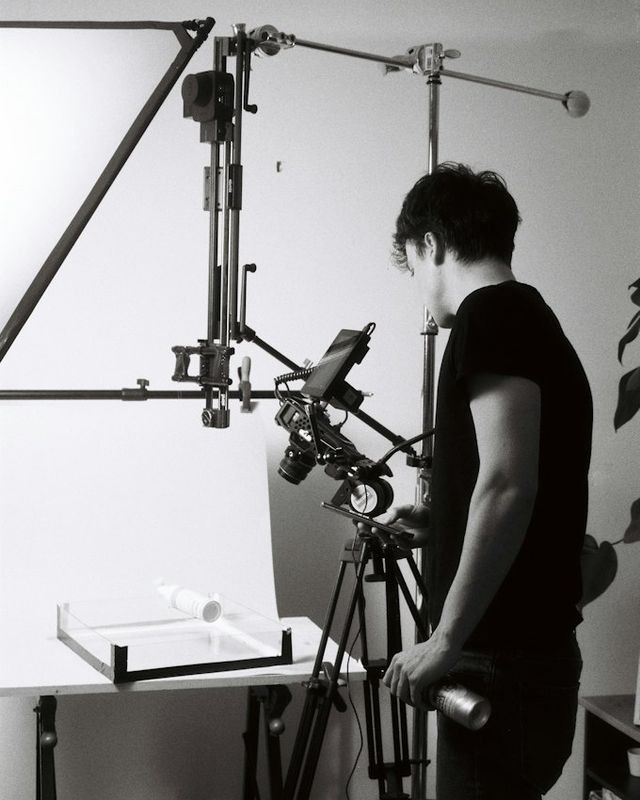
Illustration: a studio photograph behind the record for one generated image. It shows the request, the brand-tuned model used, a brand score of 0.93 against a 0.85 threshold, cleared rights and no personal data. Approval from a named creative director is still pending.

What we offer

Four AI capabilities, bought alone or together.

You can start with any one. All four share the same models, evaluation sets and approval rules.

Over-ear headphones and a microphone in front of an open laptop

01 / 04 · Assistants and agents

AI Application Design

AI assistants that show sources, take corrections and hand over to a person.

  • Conversation & prompt design
  • Agent plans and approvals
  • Voice and camera input

Typical 6–12 weeks to a working prototype

Explore AI Application Design

An editor works on footage at a monitor in a darkened edit suite

02 / 04 · Generative media

AI Content Studio

AI-made films, images and edits, with creative direction and a rights log.

  • Creative direction for generative work
  • Generative imagery & film
  • Synthetic voice & audio

Typical 4–8 weeks to a working studio

Explore AI Content Studio
Hands sort a spread of instant photographs on a wooden table

03 / 04 · AI Design

Brand AI Tools

Image and copy models tuned to your brand, scored on a brand-fidelity test set.

  • Rights-cleared training sets
  • Brand-tuned image & product models
  • Brand language models

Typical 6–10 weeks to a tuned model

Explore Brand AI Tools
Two people arrange sticky notes on a glass wall during a workshop

04 / 04 · Measured AI adoption

AI Strategy & Consulting

AI use policy, pilots, roadmaps and training for brand and marketing teams.

  • AI readiness diagnostic
  • Opportunity map & roadmap
  • Tool stack rationalisation

Typical 6-week diagnostic · 12-week pilot

Explore AI Strategy & Consulting

How it works

Run a content request through model choice, checks and approval.

Each output goes to the model that scored best on your examples and is checked for brand, rights and safety before review.

Studio · Your company Request R-0412

Request

Spring launch: a hero still, product copy in four languages, a voice read and 8-second film cut-downs for India, the UAE, the UK and Germany.

Eval floor 0.85 · below it, a lane never reaches review.

  1. Text Passed

    Claude · brand voice prompt set

    Top brand-voice score on the 120-prompt set

    • Brand
    • Rights
    • Safety
    0.91

    4 × product copy · 4 languages

  2. Image Passed

    Brand-tuned Flux model · v4

    Only candidate above the brand floor

    • Brand
    • Rights
    • Safety
    0.93

    12 stills · 4:5, 1:1, 16:9

  3. Voice Flagged

    ElevenLabs · licensed brand voice

    Consented voice, contract on file

    • Brand
    • Rights
    • Safety
    0.88

    4 × 20 s reads

    Script says “clinically proven”, which is not on the approved claims list.

  4. Video Passed

    Veo · storyboard-locked

    Best motion consistency on the brand set

    • Brand
    • Rights
    • Safety
    0.86

    8 × 8 s cut-downs

Human approval

1 lane flagged. Voice: script says “clinically proven”, which is not on the approved claims list.

Creative director
Named approver for this brand

Approve stays locked while any lane is flagged. The approver can send a lane back, never wave it through.

Audit log

  1. Brief parsed · 4 outputs, 4 markets
  2. Routed · text, image, voice, video
  3. Guardrails · 11 of 12 checks passed
  4. Voice lane flagged · claims list
  5. Waiting for a named approver

Illustrative run. The models chosen change from brief to brief.

Assistant design

AI assistants designed for when the model is unsure, slow or wrong.

We design for four moments people meet in live assistants, so they can check an answer, fix a mistake or stop an action.

Mock: an assistant answer with two numbered citations and a medium confidence meter.

01 · Uncertain

Sources and confidence shown

Citations and a confidence level sit on each answer, so people can check the claims that matter.

Mock: a streaming answer showing what the system is reading, elapsed time and a stop button.

02 · Slow

Progress shown while it works

Answers stream in, progress stays visible and stopping keeps the partial result, so waiting feels shorter.

Mock: an answer where the person has corrected a date in place, with an undo control and a note that the correction was logged.

03 · Wrong

Correction in one step

People can edit in place, undo or reach a person, and each correction is logged for the next evaluation set.

Mock: an agent plan of three steps; the last step, sending an email to 1,240 people, waits for approval.

04 · Consequential

A pause before irreversible steps

Agents show their plan, and any step that spends money, sends messages or publishes waits for a person.

How we use AI

Model choice decided by tests on your own material.

We re-run the tests whenever a model or dataset changes, and keep four controls around every AI task.

  • Evaluation set first

    We write test prompts and scoring rules from your brand guidelines, then score every candidate model and update against them.

  • Automatic checks

    Brand, rights, claims and personal-data checks run on every output, built to the OWASP Top 10 for LLM Applications.

  • A named person approves

    Approval is a fixed step in the workflow: the approver sees what was flagged and why, and cannot skip it.

  • An audit record per output

    Model, version, prompt, inputs, scores, checks and approver are stored with each asset and exported with content credentials.

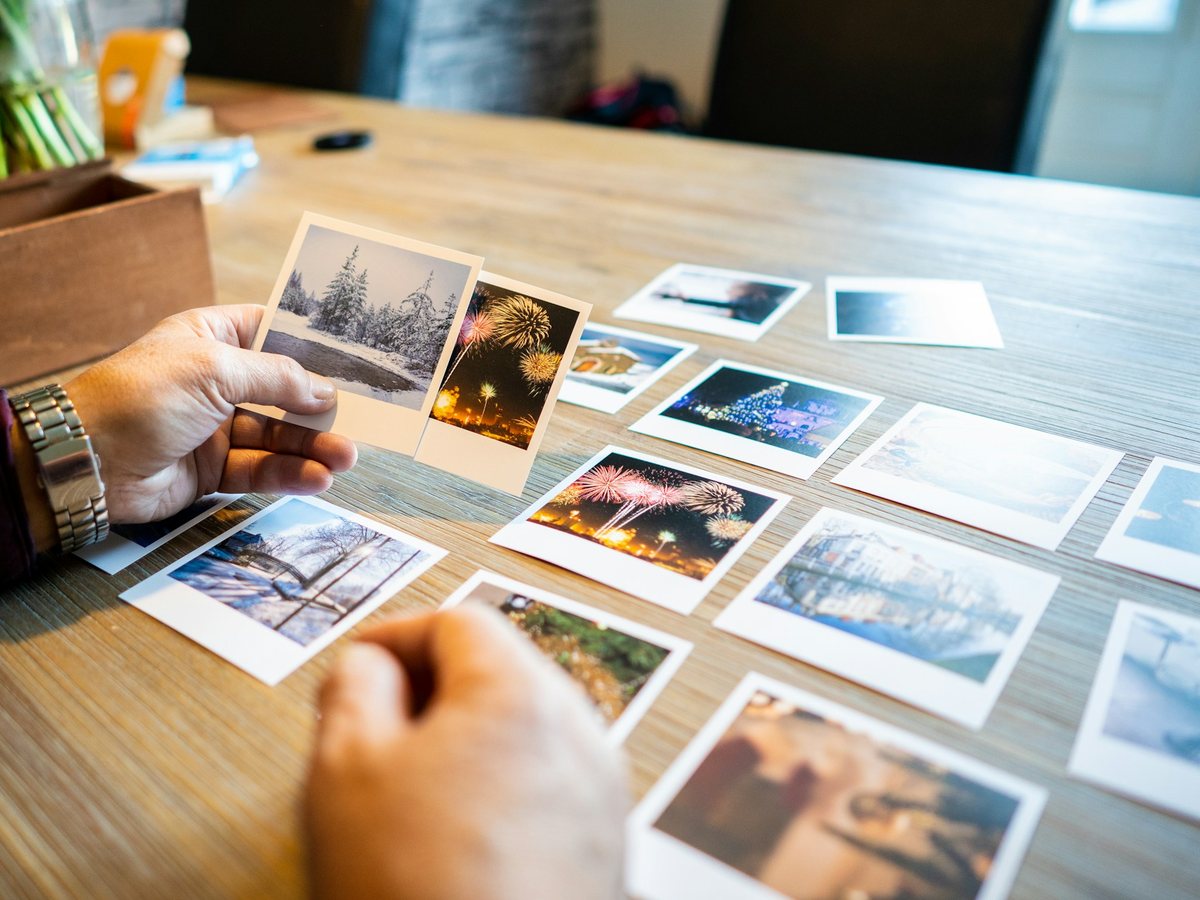
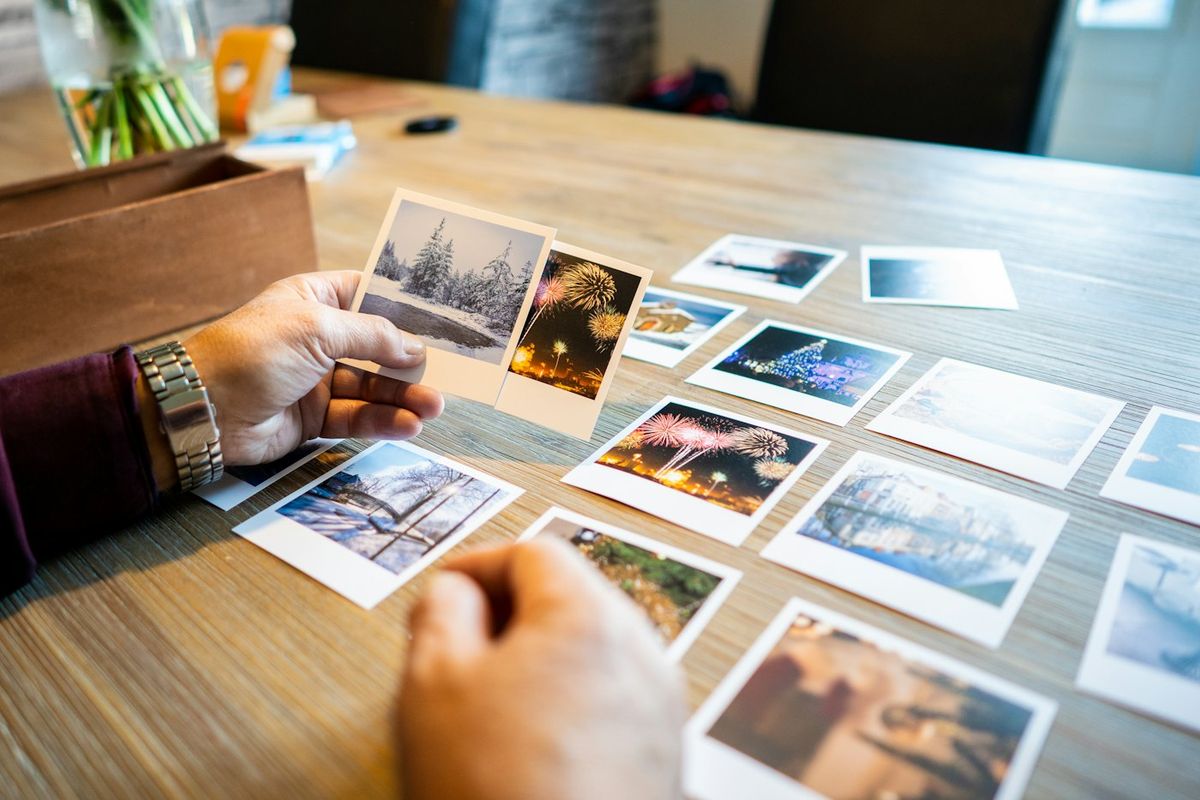
A hand holds two prints over a table of photographs laid out to choose from
The pickscored side by side, not by habit
Image lane · model comparison Brand fidelity on 200 held-out prompts
  • Brand-tuned Flux model 0.93
  • Adobe Firefly custom model 0.87
  • SDXL with a brand LoRA 0.84
  • Base model, prompt only 0.61
Clears the floorBelow the floorFloor 0.85
Scored by
Automatic scorer + 3 trained raters
Re-run
On every model or dataset change
Decision
Brand-tuned model · others kept as fallback

Illustrative scores. Your comparison runs on your own brand material.

Brand AI Tools compared

Two Brand AI Tools: one makes assets, the other checks them.

Brand Design writes the brand rules and the checks that enforce them. AI Design tunes models on your brand material. Teams producing content in volume can use both, linked at the scoring step.

Brand DesignBrand guidelines

Identity, voice, tokens and rules.

AI Design · Brand AI ToolsBrand-tuned models

Trained on your brand, scored against its rules.

Brand Design · Brand AI ToolsBrand checks

Every asset checked, from any source.

A named personApproved asset

Signed, logged, published.

QuestionAI Design · Brand AI ToolsBrand Design · Brand AI Tools
What it isImage, product and language models tuned on your rights-cleared material.Rules, checks and templates that keep every output on brand.
What it producesNew assets that already look and sound like the brand.A verdict on any asset from any source: on or off brand, and why.
Built withFlux, Adobe Firefly, ComfyUI and open-weight model families, tuned and scored.Your brand guidelines, written as tokens, rules and a brand-check agent.
You ownThe dataset, the scoring set and the model weights.The rulebook, the templates and the checking workflow.
Start here whenGeneration is off brand, slow or dependent on a few people.Output from many teams and tools is going off brand.
Brand-tuned models Brand governance tooling

How we work with you

Five stages from brief to handover.

A typical engagement runs eight to twelve weeks. The order does not change: we agree how success is scored before anything is generated.

  1. Weeks 1–2

    Define

    We agree who uses it and what it may see and do. Its limits, failure cases and evaluation set are written before any feature.

    • Brief & risk map
    • Evaluation set v1
  2. Weeks 2–6

    Prototype

    We build on a live model from the first week, because static designs cannot show how AI answers feel in use.

    • Live prototype
    • Model shortlist
  3. Weeks 4–8

    Evaluate

    We score candidate models on your material and test with your users, including prompts the model gets wrong.

    • Scorecard
    • Usability findings
  4. Weeks 6–10

    Govern

    We set up automatic checks, approval roles and the audit record, and write down the regulatory position.

    • Check settings
    • Approval workflow
  5. Weeks 8–12

    Hand over

    Your team runs it: specifications, prompts, weights, evaluation sets and a playbook for the day a model changes.

    • Specification
    • Runbook & training

Platform stack

Our AI stack, with models you can swap.

The technologies we work with, in four layers. The prompts, evaluation sets and checks around each model stay in place when the model changes.

L1

Models

Chosen per task on the evaluation set.

  • OpenAI
  • Anthropic
  • Google Gemini
  • Mistral AI
  • Meta Llama
  • Hugging Face

L2

Generation & tuning

Image, film and voice, and the models we tune.

  • PyTorch
  • Replicate
  • Modal
  • vLLM
  • ONNX
  • NVIDIA
  • MLflow
  • Flux
  • Adobe Firefly
  • ComfyUI
  • Runway
  • Veo
  • ElevenLabs

L3

Build & workflows

Agents, workflows and the product around the model.

  • LangGraph
  • LlamaIndex
  • Python
  • TypeScript
  • React
  • Next.js
  • Playwright
  • Vercel
  • Cloudflare
  • n8n

L4

Design & content ops

Where the work is designed, stored and measured.

  • Figma
  • Storybook
  • Contentful
  • Sanity
  • Notion
  • Miro
  • PostHog
  • GitHub

Frameworks we build to

Responsible AI built into the work, with records to show it.

Our work is built to or aligned with these frameworks. They shape the evaluation plan, the automatic checks and the records we hand over. We do not claim certification against them.

  • EU AI ActArtificial Intelligence Act (EU) 2024/1689

    Transparency duties for generated content and chatbots, and a risk classification written down for each system.

  • ISO/IEC 42001:2023Artificial intelligence management systems

    Our AI management follows its structure: roles, impact assessment and a record of every model in use.

  • NIST AI RMF 1.0AI Risk Management Framework

    Govern, map, measure, manage: the structure of our risk register and evaluation plan.

  • OWASP Top 10 for LLM ApplicationsSecurity risks in generative AI applications

    Automatic checks tested against the LLM Top 10, starting with LLM01 prompt injection.

  • WCAG 2.2 AAWeb Content Accessibility Guidelines

    AA for every AI interface: streamed output announced, agents keyboard-operable, captions on generated film.

  • GDPRGeneral Data Protection Regulation (EU) 2016/679

    Lawful basis, minimisation and no personal data in training sets without it.

  • DPDP Act 2023Digital Personal Data Protection Act, 2023

    India’s Digital Personal Data Protection Act applied to prompts, logs and datasets.

  • We apply each standard only where the work involves it.

What you get

Deliverables documented so your team can run them without us.

Prompts, evaluation sets, model weights, check settings and approval records sit in your repositories and accounts from the first week.

01 · AI Apps

AI Application Design

  • AI experience brief & capability mapDoc · board
  • Interaction design & flowsFigma
  • Conversation & prompt scriptsDoc · prompt set
  • Working prototype on a live modelPrototype · repo
  • AI interface pattern libraryFigma · Storybook
  • Experience evaluation reportReport · recordings
  • Design specification & acceptance criteriaDoc · tickets

02 · Content Studio

AI Content Studio

  • Creative direction & reference setFigma · PDF
  • Produced assets by format & marketFiles · DAM
  • Prompt, model & settings logSheet · repo
  • Rights, licence & consent registerSheet
  • Production pipeline & automationsWorkflows · API
  • Approval workflow & audit trailWorkflow · log
  • Studio playbook & trainingDoc · sessions

03 · Brand Models

Brand AI Tools

  • Rights-checked training & evaluation setsDataset · register
  • Tuned model weights or adaptersWeights · your accounts
  • Model card & training documentationDoc
  • Brand fidelity scoring set & reportTests · report
  • Automatic check & misuse test resultsTests · report
  • Model API & registryAPI · registry
  • Output log & approval workflowDashboard · workflow

04 · AI Strategy

AI Strategy & Consulting

  • Workflow map & baseline measuresBoard · sheet
  • Scored opportunity map & roadmapDeck · sheet
  • AI tool & licence registerSheet
  • Acceptable-use, rights & disclosure policyDocument
  • Pilot charter, results & decision recordDoc · dashboard
  • Operating model & role designDoc · RACI
  • Training programme & playbooksSessions · docs

What changes

Six measures agreed before the work starts.

Each measure is baselined in the first weeks and reported from the audit log. The figures below are typical ranges; your targets are set per engagement.

01

Task success

Share of tasks users complete on a fixed prompt set, including cases where the model is wrong.

  • Baseline58%
  • Target85%+

Measured by Moderated sessions, before and after

02

Brand pass at first go

Share of generated assets that meet the minimum brand score with no manual edit.

  • Baseline40%
  • Target80%+

Measured by Scorer + raters on every output

03

Brief to approved

Median time from brief to signed approval.

  • Baseline10 days
  • Target3 days

Measured by Timestamps in the audit log

04

Cost per approved asset

Model spend plus review time for each asset released.

  • BaselineIndex 100
  • TargetIndex 45

Measured by Model invoices + logged review time

05

Adoption at 90 days

People using the new workflow every week, three months after the pilot ends.

  • Baseline20%
  • Target70%+

Measured by Weekly active users ÷ licensed seats

06

Correction effort

Edits a person makes before accepting an AI answer or asset.

  • Baseline5 edits
  • Target2 edits

Measured by Edit events per accepted output

Services & packages

AI Design services, with the scope and timing of each.

Services from all four AI Design capabilities, each bought as a short sprint, a fixed-scope project or ongoing capacity. Choose one and your enquiry reaches the right team with it attached.

Categories
04
Services
20
Packages
06
Not sure what you need? Describe the problem

How to buy

  1. 01Pick services. Enquire about one, or add several to a brief.
  2. 02Choose a package. A sprint, a fixed project or an ongoing team.
  3. 03Send the brief. We reply within one working day.

Browse by category

Timelines are typical. Every quote follows a written scope.

01Design & build

5 services
Typical timeline: 6–10 weeks

AI assistant experience design

We design what your assistant says first, how it asks for what it needs and how it behaves when unsure or wrong.

What’s included

  • Conversation scripts and prompt design
  • Interface design for streaming and uncertain answers
  • Citation, correction and escalation flows
  • Prototype on a live model
  • Assistants
  • Conversation design
  • Prototype
  • OpenAI

Best forProduct and marketing teams putting an assistant in front of customers or staff.

Explore AI Application Design
Typical timeline: 8–12 weeks

AI agent product design

Products where software plans and acts for the user, with the plan visible, an obvious stop button and undo built in.

What’s included

  • Plan, approval and undo patterns
  • Permission and escalation design
  • Progress, interruption and handover states
  • Prototype against a working agent
  • Agents
  • Human approval
  • Undo

Best forTeams building a product that takes actions as well as answering questions.

Explore AI Application Design
Typical timeline: 6–12 weeks

Voice & multimodal experience

Products that take speech, camera or documents as well as typing, designed to work in loud rooms, poor light or with bad scans.

What’s included

  • Voice and camera interaction design
  • Confirmation, barge-in and repair flows
  • A typed equivalent for every spoken step
  • Accessibility review to WCAG 2.2 AA
  • Voice
  • Camera
  • Documents
  • OpenAI

Best forProducts used hands-free, on the move or by people who do not want to type.

Explore AI Application Design
Typical timeline: 2 weeks

AI concept sprint

A two-week sprint that turns a broad AI idea into three concepts, each shown as a working demo.

What’s included

  • Opportunity framing with your team
  • Three concepts designed and demoed
  • Feasibility and risk review for each
  • A recommendation with next steps
  • Entry point
  • Sprint
  • Demos
  • OpenAI

Best forLeadership teams asked for an AI idea and unwilling to fund a guess.

Explore AI Application Design
Typical timeline: 4–8 weeks

Working AI prototype

A prototype on a live model using your own content, ready to test with users or show to your board or investors.

What’s included

  • Prototype on your data or a safe sample
  • Document search or tool use where needed
  • A fixed prompt set covering the awkward cases
  • Test sessions with your users
  • Prototype
  • Testable
  • Your data
  • LlamaIndex

Best forTeams that need evidence before committing an engineering budget.

Explore AI Application Design

02Create & produce

5 services
Typical timeline: 4–8 weeks

AI content studio set-up

A production set-up where AI tools handle volume and your team directs it, with tools chosen, rights settled and staff trained.

What’s included

  • Tool selection per output type
  • Rights, consent and disclosure position
  • Production workflow with an approval step
  • Playbooks and team training
  • Studio
  • Workflow
  • Training

Best forBrand and content teams whose calendar has outgrown their production capacity.

Explore AI Content Studio
Typical timeline: 3–8 weeks

Generative film & motion

Short films, motion and animation made with tools such as Runway and Veo, then directed, graded and finished for release.

What’s included

  • Creative direction and reference
  • Shot-by-shot model selection
  • Grade, sound and finishing
  • Versions for each channel and aspect ratio
  • Runway · Veo
  • Social
  • Finished

Best forBrands that need moving image more often than a shoot schedule allows.

Explore AI Content Studio
Typical timeline: 2–6 weeks

Synthetic voice & localisation

Voice-over and narration in several languages from one recording session, with written consent for every voice and disclosure where it is required.

What’s included

  • Consent and licensing for each voice used
  • Voice-over in your target languages
  • Native-speaker review before release
  • Disclosure and provenance metadata
  • Voice-over
  • Localisation
  • Consented
  • OpenAI

Best forBrands publishing video or audio across several languages.

Explore AI Content Studio
Typical timeline: 6–12 weeks

Personalised & dynamic creative

Creative that changes by audience, market, product or moment, assembled from approved components so nothing unreviewed reaches a customer.

What’s included

  • Component and variant design
  • Assembly rules and fallbacks
  • Feeds from your product or CRM data
  • Review queue before anything publishes
  • Variants
  • Feeds
  • Approved parts

Best forPerformance and CRM teams running many audiences with one creative budget.

Explore AI Content Studio
Typical timeline: 4–10 weeks

Product & campaign imagery

Packshots, lifestyle scenes and campaign variants produced from your product material, in the formats every channel asks for.

What’s included

  • Product capture or asset audit
  • Scene and variant production
  • Format and market versioning
  • Rights register for every input
  • Packshots
  • Variants
  • E-commerce

Best forRetail and consumer brands with large catalogues and short seasons.

Explore AI Content Studio

03Tune & scale

5 services
Typical timeline: 6–10 weeks

Brand-tuned image model

An image model tuned on your own rights-cleared assets, so generated images start on brand.

What’s included

  • Training set curated and rights-checked
  • Fine-tuning on Flux, Firefly or open-weight models
  • Brand fidelity scoring before release
  • Weights delivered into your accounts
  • Fine-tuned
  • Scored
  • Yours

Best forBrands that need more imagery than photography alone can supply.

Explore Brand AI Tools
Typical timeline: 4–8 weeks

Brand voice & copy model

A writing assistant that follows your voice, vocabulary and banned words, inside the tools your team already uses.

What’s included

  • Voice and vocabulary written as rules
  • Tuned prompts or a fine-tuned model
  • Scoring against the voice rules
  • Integration with your writing tools
  • Voice-aware
  • Copy
  • In your tools
  • OpenAI

Best forTeams writing at volume across markets, channels and agencies.

Explore Brand AI Tools
Typical timeline: 3–5 weeks

Brand fidelity evaluation

A fixed test set that shows whether each model version is on brand, so releases do not rest on a few sample images.

What’s included

  • Scoring criteria written with your brand team
  • Separate evaluation set
  • Automated scoring calibrated to human review
  • A score report per model version
  • Evaluation
  • Regression
  • Per version

Best forBrands already generating at volume with no consistent way to judge it.

Explore Brand AI Tools
Typical timeline: 4–8 weeks

Model hosting & registry

Your tuned models served through an API and inside your team’s design tools, with versions tracked and cost and speed kept in check.

What’s included

  • Serving endpoint with authentication
  • Model registry and versioned releases
  • Cost, rate and latency limits
  • Output logging and rollback
  • API
  • Versioned
  • Cost limits

Best forTeams with a tuned model that only one specialist can currently run.

Explore Brand AI Tools
Typical timeline: 2–5 weeks

Rights-cleared training set

Your assets turned into training data you are allowed to use: curated, labelled and checked for licence and consent, item by item.

What’s included

  • Asset collection, selection and labelling
  • Licence and consent check per item
  • Counter-examples and a separate test set
  • Dataset versioning and documentation
  • Data
  • Rights-checked
  • Versioned

Best forAny brand preparing to tune a model on its own material.

Explore Brand AI Tools

04Plan & adopt

5 services
Typical timeline: 3–4 weeks

AI readiness diagnostic

We walk through your content workflow with the people who run it and measure where time, cost and rework go before recommending anything.

What’s included

  • Workflow walk-throughs with each team
  • Time, cost and rework baseline
  • Tool, licence and skills review
  • Ranked shortlist of where to start
  • Entry point
  • Baseline
  • Diagnostic

Best forMarketing and brand leaders asked for an AI plan they can defend.

Explore AI Strategy & Consulting
Typical timeline: 8–12 weeks

AI pilot programme

One workflow run with AI by one of your teams, measured against a baseline and ending in a go or no-go decision.

What’s included

  • Pilot charter with a measure agreed up front
  • Baseline taken before anything changes
  • Checks and policy in place from day one
  • Decision record and rollout plan
  • Pilot
  • Measured
  • Go / no-go
  • OpenAI

Best forOrganisations with plenty of AI experiments and no evidence yet.

Explore AI Strategy & Consulting
Typical timeline: 2–4 weeks

AI tool stack review

A review of your teams’ AI tools, covering what each licence permits and costs, with advice on which to keep, merge or cancel.

What’s included

  • Tool and licence register, including unapproved tools
  • Licence, data-handling and indemnity review
  • Overlap and consolidation analysis
  • Recommendation with a migration path
  • Licences
  • Shadow AI
  • Cost

Best forTeams paying for more AI tools than anyone can currently list.

Explore AI Strategy & Consulting
Typical timeline: 3–6 weeks

AI use policy, rights & disclosure

A policy your creative and marketing teams can follow: what to generate, what to disclose, what data may enter a tool and who approves.

What’s included

  • Acceptable-use policy for creative work
  • Rights, consent and provenance standard
  • Disclosure rules per channel and market
  • Approval workflow and named owners
  • Policy
  • Disclosure
  • EU AI Act

Best forBrands using generative tools already, without written rules.

Explore AI Strategy & Consulting
Typical timeline: 4–8 weeks, then quarterly

Creative team enablement

Practical, role-based training for designers, writers, producers and marketers, with playbooks and adoption tracked for a quarter afterwards.

What’s included

  • Role-based sessions on your own briefs
  • Playbooks and prompt libraries per role
  • Champions and an internal support channel
  • Adoption and quality tracked for a quarter
  • Training
  • Playbooks
  • Adoption
  • Slack

Best forTeams given AI tools and no guidance on using them well.

Explore AI Strategy & Consulting

Your brief

Tick “Add to brief” on any service, choose a package, then continue. Or enquire about one service directly.

How we work with you

Ways to engage, from a question to an RFQ.

Ask a quick question, send a project brief or issue a formal RFQ. The lead for the work reads each one in full, and any services already in your brief go with it.

Or book a thirty-minute call

What are you sending?

  1. 01

    About 2 minutes4 required answers

    For a first conversation, a press request or anything that does not need a scope yet.

    You get A reply from a named lead

  2. 02Recommended

    About 8 minutes5 short steps

    Goals, audiences, a budget band and timing, so our first reply can outline the work.

    You get Options and a first scope after one call

  3. 03

    About 15 minutesYour documents attached

    Your documents, deadlines and the procurement and security rules the work must meet.

    You get Receipt confirmed and a named bid lead

How it is priced

Each package shows its pricing model. Work starts once a written scope and quote are agreed.

  • Typical length
    1–3 weeks
    Pricing
    Fixed fee
  • Typical length
    4–12 weeks
    Pricing
    Fixed price
  • Typical length
    3–9 months
    Pricing
    Fixed price per milestone
  • Typical length
    Ongoing · 6-month minimum
    Pricing
    Monthly fee
  • Typical length
    6–18 months
    Pricing
    Programme fee · by statement of work
  • Typical length
    Ongoing · 3-month minimum
    Pricing
    Time & materials
Compare what each package includes
What each package includes and who it suits
PackageEvery engagement includesBest for
SprintA short, fixed-scope engagement that answers one defined question.
  • Scope and outcome agreed before day one
  • A senior lead plus the specialists needed
  • A working review every week
  • A decision-ready answer or prototype
Discovery, a diagnostic, a prototype or a decision you need to make soon
ProjectA defined scope, delivered for a fixed price.
  • Statement of work with deliverables and acceptance criteria
  • A named project lead and a fixed team
  • A shared plan with dated checkpoints
  • Source files, yours once paid for
Work you can describe up front: an identity, a platform or a set of tools
MilestoneA larger build in phases you approve and pay for one at a time.
  • Phases with their own scope, output and sign-off
  • A go or no-go review at every gate
  • Re-planning between phases as you learn
  • Payment tied to accepted milestones
Programmes too large for one contract, where you want control at each step
RetainerReserved monthly capacity to run, improve and extend what we built.
  • A reserved block of team time every month
  • Agreed response times for requests and fixes
  • A monthly review and a rolling backlog
  • Planned improvements as well as upkeep
Live brands and products that need a steady team without hiring one
EnterpriseA multi-workstream programme with a dedicated team, governance and agreed service levels.
  • An engagement director and a steering group
  • A dedicated team across several workstreams
  • Service levels, reporting and a risk register
  • Security, legal and procurement reviews in the plan
Large organisations running change across markets, portfolios or business units
SquadA dedicated team that works inside your stack and sprint schedule.
  • Named specialists matched to your roadmap
  • Works in your tools, meetings and backlog
  • Scale the team up or down each month
  • Knowledge transfer built in from week one
Teams with a clear roadmap that need more senior people quickly

Questions

What buyers ask about AI Design.

Answers on models, ownership, rights, regulation and where your data is kept. For anything else, ask the team.

Book a call
Two people talk across a small table over cups of coffee
The first callyour questions before ours
Which AI models do you use?

The ones that score best on your own examples. For language we work with Gemini, OpenAI, Anthropic, Mistral and open-weight models. For image, film and voice we use Flux, Adobe Firefly, Runway, Veo and ElevenLabs. Each task also has a fallback model.

Who owns the prompts, the evaluation sets and the model weights?

You do. What we make for you is yours once it is paid for. Tools we already had stay ours, and you get a free, permanent licence to use them. A tuned brand model is yours to run, retrain or retire.

How is AI Design different from AI in Technology & Intelligence?

AI Design shapes what people see and use; Technology & Intelligence builds the software underneath. We design the conversation, the controls, generated content and brand-tuned models. Technology & Intelligence covers agents, AI that answers from your documents, infrastructure and testing in production. One project can use both.

How do the two Brand AI Tools differ?

Ours makes on-brand assets; Brand Design’s checks them. We build image and language models tuned on your brand material. Brand Design builds the rules and checks that test any asset, from any source, against your guidelines. The two meet at the scoring step.

How do you handle rights in generated content?

We clear every input before use. That means licensed or owned imagery and consented voices, never scraped material. Each output carries content credentials and a record of the model, inputs and approver. If a platform’s terms limit commercial use, we tell you before choosing it.

Does the EU AI Act apply to our marketing content?

Yes, its transparency duties can. People must be told when they are talking to a chatbot, and AI-generated images, audio and video must be marked as such. We classify each system at the start and design disclosure into the interface.

Can our data stay in our own cloud or region?

Yes. We use enterprise plans with training on your data switched off. Where material may not leave your network, we run open-weight models in your own cloud account, including India regions.

Tell us what you need built.

You will speak to a lead who would run the work, and get a straight answer on fit.

Book a call

Three ways to start

Every engagement starts with a written scope and a quote agreed before work begins.

Choose one of the three ways above