What we do · 06 · Marketing Technology

Marketing technology that works between campaigns.

CRM, marketing automation, customer data, lead scoring and measurement that keep marketing working between campaigns.

Capabilities
7
Channels
Email · SMS · WhatsApp · push · in-app
Built to
DPDP Act 2023 · GDPR

An illustrative week for one customer: an account is created on Monday and a welcome email is sent; on Wednesday at 22:06 the cart is abandoned and the WhatsApp reminder is held for quiet hours until 09:00 on Thursday; the customer buys on Thursday evening and leaves the journey; a Saturday SMS is not sent because there is no SMS consent.

Illustrative. Shaded bands are quiet hours, 21:00–09:00 local. Every message is checked against consent, frequency and quiet hours at the moment it would be sent.

Why now

Email, ad, AI and privacy rules are now enforced at send time.

Four changes in two years made this true. Each row gives the rule and what it means for your marketing set-up.

  1. 01Feb 2024

    Mailbox providers

    Gmail and Yahoo require bulk senders to authenticate with SPF, DKIM and DMARC, offer one-click unsubscribe (RFC 8058) and keep reported spam below 0.3%.

    What it means

    Reaching the inbox now depends on sender authentication and complaint rates.

    Content & Communication Infrastructure
  2. 02Mar 2024

    Ad measurement

    Google’s Consent Mode v2 became the condition for using measurement and personalisation features on traffic from the European Economic Area.

    What it means

    Tags, consent banners and conversion APIs must agree, or ad platforms optimise on missing data.

    AI Campaign Optimization
  3. 03Aug 2024 → Aug 2026

    AI regulation

    The EU AI Act entered into force in August 2024; its transparency duties for AI-generated and manipulated content apply from August 2026.

    What it means

    AI-made creative needs a source record, a label where required and a named approver.

    AI Creative Solutions
  4. 04Nov 2025

    Indian data protection

    The Digital Personal Data Protection Rules 2025 were notified, bringing the DPDP Act 2023 into operation in phases: notice, specific consent, easy withdrawal and consent managers.

    What it means

    Consent must be stored per purpose and checked at the moment of sending.

    AI-Driven Marketing Automation

Dates and rules last reviewed September 2026. Regulations change; we re-check them at the start of every engagement.

How it works

The checks behind every send, shown step by step.

Six illustrative customers enter a journey. Each is checked for consent, holdout, contact limits and approval, and every step is logged. Switch the journey, withdraw consent, approve or reject a send.

Journey engine · Your company

Win-back · finished run

  1. 01 Trigger no purchase in 90 days 6 through
  2. 02 Consent Marketing consent per channel, checked at the moment of sending 5 through · 1 out
  3. 03 Decide Offer and channel per person · 10% holdout 4 through · 1 out
  4. 04 Guardrails Max 3 messages in 7 days · quiet hours 21:00–09:00 local 3 through · 1 held · 1 out
  5. 05 Approval Offers to high-value customers need approval 2 through · 1 waiting
  6. 06 Send Approved templates only · delivery logged 2 through

Profiles consent per channel

ProfileEmailWhatsAppSMSStatus
A-1042New · high intent Sent
B-2210Returning Exited
C-3307Lapsed · high value Approval
D-4415Browsing Exited
E-5120Returning Exited
F-6093Price-sensitive Sent

Approvals 1 waiting

  • C-3307 · Offers to high-value customers need approval

    Next best action: 15% return offer by Email · confidence 0.77

Audit log newest first

  1. 10:00:55F-6093Send · Sent by WhatsApp · winback_offer_v3
  2. 10:00:48F-6093Approval · Nothing sensitive · template approved once, monitored
  3. 10:00:41F-6093Guardrails · Within limits · 1 of 3 this week, outside quiet hours
  4. 10:00:34F-6093Decide · Confidence 0.54 below 0.60 · rule-based fallback: what’s-new digest by WhatsApp
  5. 10:00:27F-6093Consent · Consent valid for marketing · Email, WhatsApp, SMS
  6. 10:00:20F-6093Trigger · Entered on no purchase in 90 days
  7. 10:00:13E-5120Decide · In the 10% holdout · no message, counted for lift
  8. 10:00:06E-5120Consent · Consent valid for marketing · Email
  9. 09:59:59E-5120Trigger · Entered on no purchase in 90 days
  10. 09:59:52D-4415Consent · No marketing consent on any channel · suppressed, nothing sent
  11. 09:59:45D-4415Trigger · Entered on no purchase in 90 days
  12. 09:59:38C-3307Approval · Waiting for a person · Offers to high-value customers need approval
  13. 09:59:31C-3307Guardrails · Within limits · 0 of 3 this week, outside quiet hours
  14. 09:59:24C-3307Decide · Next best action: 15% return offer by Email · confidence 0.77
  15. 09:59:17C-3307Consent · Consent valid for marketing · Email
  16. 09:59:10C-3307Trigger · Entered on no purchase in 90 days
  17. 09:59:03B-2210Guardrails · Frequency cap reached · 3 in 7 days · deferred
  18. 09:58:56B-2210Decide · Next best action: what’s-new digest by SMS · confidence 0.71
  19. 09:58:49B-2210Consent · Consent valid for marketing · Email, SMS
  20. 09:58:42B-2210Trigger · Entered on no purchase in 90 days
  21. 09:58:35A-1042Send · Sent by WhatsApp · winback_offer_v3
  22. 09:58:28A-1042Approval · Nothing sensitive · template approved once, monitored
  23. 09:58:21A-1042Guardrails · Quiet hours at 22:00 local · queued until 09:00
  24. 09:58:14A-1042Decide · Next best action: what’s-new digest by WhatsApp · confidence 0.82
  25. 09:58:07A-1042Consent · Consent valid for marketing · Email, WhatsApp
  26. 09:58:00A-1042Trigger · Entered on no purchase in 90 days

Illustrative profiles and rules. Consent withdrawal is honoured at the next send, as easily as consent was given (DPDP Act 2023 s. 6(4); GDPR Art. 7(3)).

  • 01

    Withdrawals apply at once. A consent withdrawn a minute ago stops the next message.

  • 02

    Every journey has a holdout. One in ten people receives nothing, so each journey’s lift is measured against them.

  • 03

    Sensitive sends wait for a person. Discounts, high-value offers and new AI-drafted copy need a named approver.

7 capabilities

Seven capabilities, sold alone or together.

Each is scoped and delivered on its own, and all share one set of customer data, consent records and measurement, so the second capability costs less than the first.

01Lifecycle journeys
Hands type on a laptop at a wooden desk in a bright room

AI-Driven Marketing Automation

Automated journeys across email, SMS and WhatsApp, with a person approving each send.

  • Lifecycle journey design & build
  • Platform set-up & migration
  • Event & trigger infrastructure

Typical first release6–12 weeks to the first journeys

Explore Automation
02One source, every channel
Rows of blue network cables run into a rack of lit ports in the dark

Content & Communication Infrastructure

Content and messaging tools that route each message to the right channel automatically.

  • Content model & headless CMS
  • Digital asset management
  • Localisation & translation pipeline

Typical build8–16 weeks

Explore Infrastructure
03Marketing Technology
Line and candlestick charts fill a monitor, a laptop, a tablet and a phone on a white desk

AI Campaign Optimization

AI proposes targeting, spend and creative changes while a campaign runs, within agreed limits.

  • Measurement foundations
  • Incrementality & geo experiments
  • Marketing mix modelling

Typical first release4–8 weeks to the first models

Explore Campaign AI
04Marketing Technology
A person holds up a phone with a blank screen beside a houseplant

AI Creative Solutions

AI drafts creative variants from an approved master; a named editor approves each.

  • Creative variant production
  • Dynamic creative optimisation
  • Product feed creative

Typical first release6–10 weeks to a working pipeline

Explore Creative AI
05Lead scoring and routing
Two people go through printed forms at a grey table beside a tablet and a phone

AI Lead Generation

Lead scoring and routing that send sales teams the leads worth their time.

  • Ideal customer profile & tiers
  • Intent data capture
  • Data enrichment & hygiene

Typical first release6–10 weeks to a scored pipeline

Explore Lead Gen
06CRM, quoting and forecasting
A smiling customer at a shop counter while an assistant points to a tablet checkout

Automated & Dynamic Sales

Sales follow-ups that adjust to where each prospect is in the buying journey.
  • CRM automation & data hygiene
  • Guided selling & next best action
  • Dynamic pricing & quoting

Typical phase8–14 weeks per phase

Explore Sales
07Marketing Technology
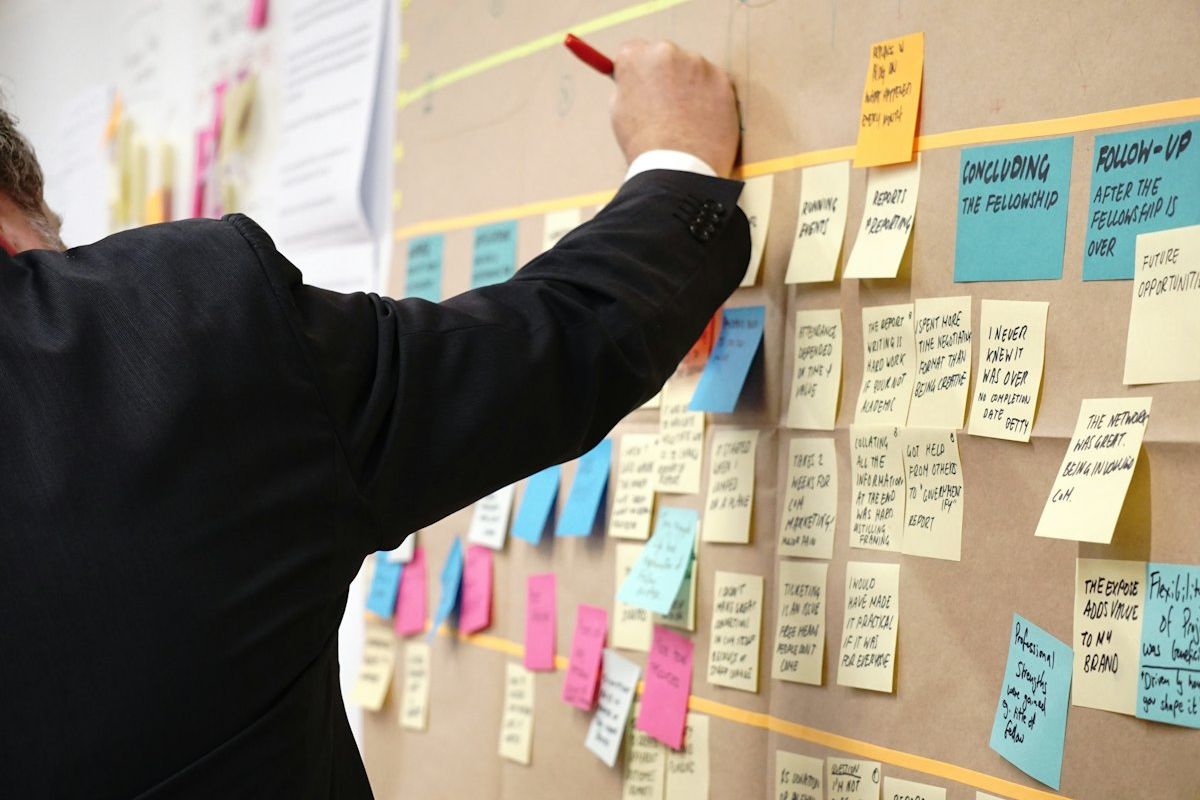
A person adds sticky notes to a customer journey mapped across a wall

Customer Relationship Strategy

Journey mapping, segmentation, loyalty and lifecycle marketing to raise retention and lifetime value.

Five parts, sold and measured as one programme.

  1. 01Customer journey mappingJourneys · key moments
  2. 02Segmentation & customer insightSegments · propensity · churn
  3. 03Engagement programmesAlways-on · per segment
  4. 04Loyalty strategy & programmesMechanics · tiers · economics
  5. 05Lifecycle marketingStages · triggers · holdouts

Typical first release8–12 weeks to the first programme

Explore Customer Strategy

Reference architecture

Five layers of marketing technology, built from the data up.

Most martech problems start in a weak layer: a model with no clean data beneath it, or content that cannot reach its channel.

  1. L05Strategy

    Who the customer is, which moments matter, what each stage is worth.

    Customer Relationship Strategy Journey mapsSegmentsLoyalty design
  2. L04Channels

    Where a decision becomes a message, an ad or a sales action.

    Automated & Dynamic Sales EmailSMSWhatsAppPush · in-appPaid mediaSales desk
  3. L03Content & creative

    What is said, assembled from approved facts and components.

    Content & Communication Infrastructure AI Creative Solutions Headless CMSAsset libraryVariant generator
  4. L02Decisioning

    Journeys, next best action, scoring and budget, each with a fallback.

    AI-Driven Marketing Automation AI Lead Generation Journey automationPropensity modelsLead scoringApproval queue
  5. L01Data, identity & consent

    The customer data and consent records every other layer reads.

    Server-side eventsIdentity resolutionWarehouseConsent records

Events and outcomes flow up from L01. Decisions flow down to L04, checked against consent on the way.

The stack

Your current platforms, used well and replaced only when they fall short.

We work with 45 technologies and choose on fit, total cost and what your team can run. No partner tier is implied.

01

Engagement & CRM

8

Where customers are known and reached.

  • HubSpot
  • Salesforce
  • Zoho
  • Intercom
  • Twilio
  • WhatsApp
  • Slack
  • Microsoft Teams
02

Data & measurement

12

Events, the warehouse and the models that read it.

  • Google Tag Manager
  • Google Analytics
  • Google
  • Google BigQuery
  • Snowflake
  • dbt
  • Airbyte
  • PostHog
  • Mixpanel
  • Looker
  • Power BI
  • PostgreSQL
03

Content, commerce & design

13

What is said, sold and shown, from one source.

  • Contentful
  • Sanity
  • Strapi
  • WordPress
  • Webflow
  • Algolia
  • Shopify
  • Stripe
  • Razorpay
  • Cloudflare
  • Vercel
  • Figma
  • Miro
04

AI & automation

12

AI models, data pipelines and the workflows that use them.

  • OpenAI
  • Anthropic
  • Google Gemini
  • Replicate
  • Hugging Face
  • Modal
  • Python
  • scikit-learn
  • n8n
  • Make
  • Zapier
  • Temporal

How we use AI

Agents do the repeatable work. People approve what goes live.

Each marketing agent works within written permissions, as you would scope a new hire’s access. The table shows our default; we agree yours with you in the first weeks.

AgentRead profilesDraft contentBuild audiencesSend or publishMove budget
Brief assemblerPulls goals, segment facts and past results into a campaign brief. AllowedAggregates AllowedBrief Not its job Never Never
Variant drafterWrites copy and layout variants from approved claims and components. Not its job AllowedDraft state Not its job Needs approvalFirst send Never
Audience builderTurns a plain-language brief into a segment definition with its size. AllowedScoped Not its job AllowedDraft state Needs approvalActivate Never
Pre-flight QAChecks links, legal lines, consent scope, rendering and brand rules. AllowedScoped NeverFlags only NeverFlags only AllowedCan block Not its job
Budget proposerProposes budget moves with the expected effect and confidence. AllowedAggregates Not its job Not its job Not its job Needs approvalAbove threshold
Lead routerScores and routes inbound leads with the reasons shown. AllowedScoped Not its job Not its job AllowedApproved templates Never
  • Allowed
  • Needs approval
  • Never
  • Not its job
  • Testing before release

    Each agent is tested on your briefs and edge cases for brand, claims and consent, and re-tested after any model or prompt change.

  • Confidence threshold

    Below a confidence level set for each task, the agent hands over to a fixed rule or a person.

  • Prompt injection defence

    Replies, form fields and web pages an agent reads are treated as data, never as instructions (OWASP LLM01).

  • Audit log

    Inputs, model and prompt version, output, checks and approver are logged for each step, kept with the campaign and exportable.

Frameworks we build to

Privacy and consent, designed into your customer data.

We design and document the work against these frameworks, so your compliance and audit teams have evidence to work from. They are frameworks we build to, not certifications we hold.

  • DPDP Act 2023Digital Personal Data Protection Act, 2023
  • GDPRGeneral Data Protection Regulation (EU) 2016/679
  • ISO/IEC 27701Privacy information management systems
  • ISO/IEC 42001:2023Artificial intelligence management systems
  • NIST AI RMF 1.0AI Risk Management Framework
  • EU AI ActArtificial Intelligence Act (EU) 2024/1689
  • WCAG 2.2 AAWeb Content Accessibility Guidelines
  • PCI DSS v4.0.1Payment Card Industry Data Security Standard

PCI DSS applies only where quoting and payment flows touch card data. ISO/IEC 42001, the NIST AI RMF and the EU AI Act shape how we document, test and oversee scoring and generative models.

An illustrative consent record for one profile: purpose, channel, notice version and language, how consent was given, where, when, whether it has been withdrawn, and that it is enforced at every send.

  • Specific. One record per purpose and channel, never one blanket yes.
  • Provable. The notice version, the action and the time are stored with it.
  • Reversible. Withdrawal is as easy as giving consent and takes effect at the next send.
  • Checked at send. Read at the moment a message is about to go out.

Sender standards set up in every build

  • SPF
  • DKIM
  • DMARC
  • BIMI
  • RFC 8058 one-click unsubscribe
  • WhatsApp template opt-in

What changes

Marketing results claimed only when measured against a holdout.

We agree five measures before launch and report them in one place. Lift is the difference between people who received a journey and people who did not.

01Incremental revenue

Revenue per customer, journey group minus holdout group

A 10% holdout on every journey · monthly

02Retention

Active or repeat-purchase rate at 90 days, against holdout

Cohort report · monthly

03Contact quality

Unsubscribes and complaints per 1,000 sends; Gmail spam rate kept under 0.3%

Platform and postmaster data · weekly

04Budget efficiency

Incremental cost per acquisition, measured outside ad platforms

Geo experiments and mix model · quarterly

05Speed

Days from approved brief to a live journey

Delivery log · per release

Onboarding · Customers still active JourneyHoldout Illustrative

+12 pts lift at week 12

Onboarding: customers still active, journey group 59% against holdout 47% at week 12. Illustrative figures, not client results.
Win-back · Lapsed customers reactivated JourneyHoldout Illustrative

+7.8 pts lift at week 12

Win-back: lapsed customers reactivated, journey group 13.8% against holdout 6% at week 12. Illustrative figures, not client results.

How we work with you

Data and consent first, then one journey at a time.

Typically sixteen weeks from audit to an always-on programme. Each phase ends at a gate: a condition that must be met before the next phase starts.

Phase 01Wk 01–03

Audit

We review journeys, data sources, consent records, platforms and spend, and measure the gap between platform reports and your own records.

You keep

  • Martech and data audit
  • Consent gap review
  • Prioritised backlog

Gate

Everyone agrees on one conversion definition and the first journey to build.

Phase 02Wk 03–07

Foundations

Server-side events, identity matching, consent records and sender authentication, built once for every capability that follows.

You keep

  • Event tracking plan
  • Consent records
  • SPF · DKIM · DMARC

Gate

Events arrive in the warehouse and the platform, deduplicated, with consent attached.

Phase 03Wk 06–10

First journey

One journey built in full, with its holdout, automatic checks and approval rules, and tested on your customer profiles before it goes live.

You keep

  • Live journey
  • Holdout set-up
  • Approval rules

Gate

The journey runs for two full cycles with no consent or deliverability defects.

Phase 04Wk 10–16

Scale

The remaining journeys, decision models where there is enough history, agents with written permissions and the measurement set-up.

You keep

  • Journey set
  • Decision models
  • Agent permissions

Gate

Every journey reports lift against its holdout.

Phase 05Monthly

Operate

A monthly review of lift, contact quality and cost. We refit models, plan tests and re-rank the backlog by expected value.

You keep

  • Performance review
  • Test log
  • Runbooks

Gate

Your team can run and change it without us.

What you get

Live journeys and models, documented for your team.

What we make for you is yours once it is paid for. Tools we already had stay ours, and you get a free, permanent licence to use them. The table samples two hand-overs per capability.

DeliverableFormatFrom
Journey maps & automation plan Diagrams · board 01Automation
Configured journeys in your platform Platform build 01Automation
Content model & type documentation Schema · docs 02Infrastructure
Configured CMS & asset library Platform build 02Infrastructure
Measurement plan & metric definitions Doc · sheet 03Campaign AI
Server-side tagging & conversion APIs Container · code 03Campaign AI
Creative production pipeline Workflow · code 04Creative AI
Modular template & component system Figma · templates 04Creative AI
Ideal customer profile & tiered target list Doc · sheet 05Lead Gen
Intent tracking & enrichment pipeline Code · config 05Lead Gen
Sales process map & stage definitions Diagram · doc 06Sales
Configured CRM & automation rules Platform build 06Sales
Customer journey maps by segment Figma · PDF 07Customer Strategy
Segmentation model & definitions Model · sheet 07Customer Strategy
  • Built in your accounts

    Journeys, models, dashboards and templates live in your platforms, your warehouse and your repositories. Nothing sits in an account we control.

  • Operating documents

    Runbooks, admin guides, metric definitions and model cards, written for the people who will run the work.

  • Readable rules and prompts

    Every decision rule, prompt and scoring feature is readable, versioned and can be switched off.
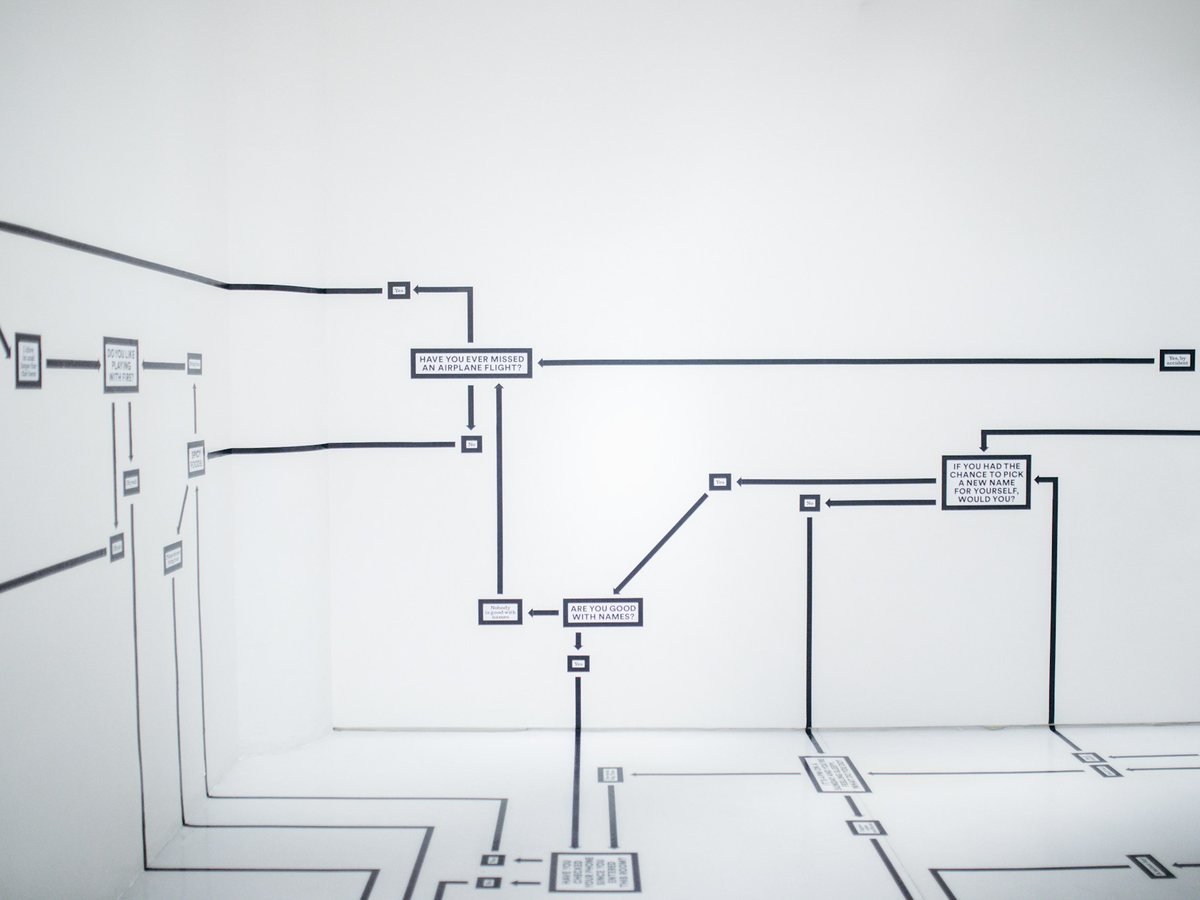
A black-and-white flowchart of boxes and arrows taped across a white wall
The mapevery flow drawn before it runs

Services & packages

Marketing technology services you can start one at a time.

You can start with any of these services, bought as a sprint, a fixed-scope project or ongoing capacity. Choose one and your enquiry reaches the right team with it attached.

Categories
06
Services
24
Packages
06
Not sure what you need? Describe the problem

How to buy

  1. 01Pick services. Enquire about one, or add several to a brief.
  2. 02Choose a package. A sprint, a fixed project or an ongoing team.
  3. 03Send the brief. We reply within one working day.

Browse by category

Timelines are typical. Every quote follows a written scope.

01Data & foundations

4 services
Typical timeline: 3–5 weeks

Martech stack audit & roadmap

An independent review of the marketing tools you pay for: what is used, what overlaps, what is missing and what to do next.

What’s included

  • Tool inventory with cost, owner and usage
  • Data flow and integration map
  • Gap and overlap analysis
  • Prioritised roadmap with a rationalisation plan
  • Audit
  • Rationalisation
  • Roadmap
  • Salesforce

Best forTeams paying for more marketing tools than anyone can name.

Explore AI-Driven Marketing Automation
Typical timeline: 3–6 weeks

Tracking & measurement foundations

Accurate, consented measurement of what marketing produces, so every report starts from the same numbers.

What’s included

  • Measurement plan tied to commercial goals
  • GA4 and Tag Manager implementation
  • Server-side tagging and conversion APIs
  • Consent mode and preference handling
  • One conversion definition across platforms
  • GA4
  • Server-side
  • Consent mode

Best forTeams whose platform numbers and finance numbers never match.

Explore AI Campaign Optimization
Typical timeline: 8–14 weeks

Customer data & identity foundation

One consented customer record that marketing, sales and service all read from, instead of four exports that disagree.

What’s included

  • Source system audit and data map
  • Identity resolution and deduplication rules
  • Consent, preference and retention model
  • Unified profile in your warehouse or platform
  • Identity
  • Consent
  • Single view
  • dbt

Best forBrands whose customer data is split across commerce, CRM and support.

Explore Customer Relationship Strategy
Typical timeline: 8–14 weeks

Content model & headless CMS

Your content structured as reusable data, so one edit is correct everywhere it appears.

What’s included

  • Content audit and model design
  • Headless CMS build and workflow
  • Reusable component library
  • Migration plan and editor training
  • Headless
  • Structured content
  • Reuse

Best forTeams retyping the same product facts into every channel.

Explore Content & Communication Infrastructure

02Automation & journeys

4 services
Typical timeline: 6–12 weeks

Lifecycle journey build

Automated journeys that carry customers from first sign-up to repeat purchase: welcome, onboarding, nurture, recovery, win-back and renewal.

What’s included

  • Journey design with entry, exit and suppression rules
  • Message templates across email, SMS and WhatsApp
  • Trigger and event set-up
  • Holdout groups and reporting
  • Journeys
  • Triggers
  • Always-on
  • Salesforce
  • Twilio

Best forBrands whose marketing goes quiet between campaigns.

Explore AI-Driven Marketing Automation
Typical timeline: 8–16 weeks

Marketing automation platform set-up

Set-up or migration of your marketing automation platform, with journeys and templates rebuilt around your data model.

What’s included

  • Platform selection support if needed
  • Data model, fields and subscriber states
  • Journey and template rebuild
  • Integration with CRM, commerce and analytics
  • Team training and runbooks
  • Implementation
  • Migration
  • Training
  • Salesforce

Best forTeams implementing a new platform or escaping one that never got used.

Explore AI-Driven Marketing Automation
Typical timeline: 2–5 weeks

Email, SMS & WhatsApp set-up

Get your messages delivered: authenticated senders, approved WhatsApp templates and clean lists, configured once and monitored after.

What’s included

  • SPF, DKIM, DMARC and BIMI configuration
  • Dedicated IP warm-up and list hygiene
  • WhatsApp Business sender and template approval
  • One-click unsubscribe and preference handling
  • Deliverability
  • WhatsApp
  • Authentication
  • Twilio

Best forBrands whose email lands in spam or who are starting on WhatsApp.

Explore Content & Communication Infrastructure
Typical timeline: 6–10 weeks

AI agents for marketing operations

AI agents draft content, build audiences and run pre-flight checks for each campaign, and your team approves every send.

What’s included

  • Agent design with scoped permissions
  • Connection to your platform and content library
  • Automated pre-flight QA checks
  • Human approval steps and a full action log
  • Agents
  • Human approval
  • Audit log
  • OpenAI
  • Slack

Best forSmall marketing teams running more campaigns than they have people for.

Explore AI-Driven Marketing Automation

03Demand & performance

4 services
Typical timeline: 8–12 weeks

Incrementality testing & mix modelling

Measure what your advertising causes, independent of what each platform claims, and use it to plan the budget.

What’s included

  • Holdout and geo experiment design
  • Bayesian marketing mix model with adstock and saturation
  • Calibration of the model against experiment results
  • Budget scenarios by channel and market
  • Incrementality
  • MMM
  • Scenarios
  • dbt

Best forAdvertisers whose channel reports add up to more conversions than they had.

Explore AI Campaign Optimization
Typical timeline: 4–8 weeks to set up, then ongoing

Campaign optimisation & budget allocation

Weekly proposals to move budget across channels and campaigns, each with its expected effect, applied through platform APIs once you approve.

What’s included

  • Pacing, cost and conversion monitoring
  • Reallocation proposals with confidence levels
  • Spend caps, exclusions and rollback
  • Anomaly alerts within hours
  • Allocation
  • Spend caps
  • Weekly

Best forTeams managing spend across several platforms and markets.

Explore AI Campaign Optimization
Typical timeline: 6–10 weeks

Lead scoring & routing

Score leads on fit and intent using your own closed-won history, then route them to the right person within minutes.

What’s included

  • Ideal customer profile from won and lost deals
  • Fit and engagement scoring model
  • Score explanations inside the CRM
  • Routing rules, alerts and response targets
  • Scoring
  • Routing
  • Speed to lead
  • Salesforce

Best forSales teams filtering the good leads out of the noise by hand.

Explore AI Lead Generation
Typical timeline: 6–10 weeks

Conversational lead qualification

An assistant on your site, WhatsApp or phone line that answers questions, qualifies leads against your criteria and books meetings.

What’s included

  • Assistant grounded in your own content
  • Qualification criteria agreed with sales
  • Calendar booking and CRM handover with context
  • Escalation to a person at any point
  • Chat
  • WhatsApp
  • Booking
  • OpenAI
  • Twilio

Best forBusinesses losing enquiries outside office hours.

Explore AI Lead Generation

04Creative & content production

4 services
Typical timeline: 6–10 weeks

AI creative variant production

Turn one approved concept into every size, language and audience variant your media plan needs, inside your brand rules.

What’s included

  • Modular template system on your brand tokens
  • Generative copy and imagery within brand constraints
  • Automated brand and claim checks
  • Human review and approval before release
  • Variants
  • On brand
  • Versioning
  • OpenAI

Best forAdvertisers whose campaigns wait on resizing and adaptation.

Explore AI Creative Solutions
Typical timeline: 6–12 weeks

Dynamic creative & product feeds

Ads assembled per audience and context, and catalogue creative that stays accurate as prices and stock change.

What’s included

  • Component set and assembly rules
  • Product feed hygiene and enrichment
  • Price, stock and offer accuracy checks
  • Component performance fed into the next brief
  • DCO
  • Feeds
  • Commerce

Best forRetail and commerce brands advertising a large catalogue.

Explore AI Creative Solutions
Typical timeline: 6–12 weeks

Localisation & market adaptation

Launch the same campaign in many markets without rebuilding it each time, with in-market review built into the workflow.

What’s included

  • Machine translation with human review
  • Glossary and tone guidance per market
  • Right-to-left and script support
  • Regional legal and advertising lines
  • Locales
  • Transcreation
  • Review
  • OpenAI

Best forBrands running the same campaign across several countries.

Explore Content & Communication Infrastructure
Typical timeline: 5–10 weeks

Asset library & usage rights

One library for photography, video, logos and templates, with licence terms and expiry recorded against every asset.

What’s included

  • Asset library set-up and taxonomy
  • Rights, territory and expiry metadata
  • Bulk migration and tagging
  • Access rules and a self-serve brand portal
  • DAM
  • Rights
  • Brand portal

Best forTeams whose assets live in shared drives and chat threads.

Explore Content & Communication Infrastructure

05Sales & revenue operations

4 services
Typical timeline: 6–12 weeks

CRM automation & hygiene

A CRM that keeps itself current: activity captured automatically, duplicates prevented and stage rules enforced.

What’s included

  • Sales process and stage definitions
  • Automatic activity capture and logging
  • Duplicate prevention and data validation
  • Dashboards rebuilt on the new definitions
  • CRM
  • Hygiene
  • Process
  • Salesforce

Best forSales leaders who cannot trust their own pipeline report.

Explore Automated & Dynamic Sales
Typical timeline: 8–14 weeks

Quoting, pricing & approvals

Configure, price and quote flows with discount thresholds and approval chains built in, so margin is protected as each quote is made.

What’s included

  • Pricing and discount rules by segment and term
  • Quote templates and approval chains
  • Quote-to-cash and invoicing integration
  • Tokenised payment links where they fit
  • CPQ
  • Approvals
  • Margin
  • Salesforce

Best forTeams quoting in spreadsheets and discounting without a rule.

Explore Automated & Dynamic Sales
Typical timeline: 4–8 weeks

Conversation intelligence

Calls and meetings transcribed with consent, then turned into CRM notes, objection patterns and coaching themes.

What’s included

  • Consent capture in the call and meeting flow
  • Transcription, summary and CRM write-back
  • Objection and commitment extraction
  • Team coaching themes, with no individual scoring
  • Calls
  • Coaching
  • Consent
  • OpenAI
  • Salesforce

Best forSales teams where what was said never reaches the CRM.

Explore Automated & Dynamic Sales
Typical timeline: 5–9 weeks

Pipeline analytics & forecasting

A forecast built on stage conversion, deal ageing and coverage, with its assumptions and its historic error both visible.

What’s included

  • Pipeline and conversion analysis
  • Model-assisted forecast with ranges
  • Coverage, ageing and hygiene reporting
  • Weekly review pack for leadership
  • Forecast
  • Coverage
  • Weekly
  • Salesforce

Best forLeadership teams forecasting from spreadsheets they do not trust.

Explore Automated & Dynamic Sales

06Customer, loyalty & lifecycle

4 services
Typical timeline: 5–8 weeks

Customer journey mapping

Map the journey as customers experience it, across channels and into service, and find where they leave.

What’s included

  • Customer and frontline interviews
  • Behavioural and transaction data analysis
  • Journey maps per segment with moments of truth
  • Prioritised fix and opportunity list
  • Journeys
  • Research
  • Drop-offs

Best forBrands guessing why customers stop at a particular point.

Explore Customer Relationship Strategy
Typical timeline: 6–10 weeks

Segmentation & customer insight

Segments built from research and your own data, with value tiers and churn risk, that every team can use.

What’s included

  • Needs-based and behavioural segmentation
  • Value tiers and lifetime value modelling
  • Churn and propensity models
  • Segment definitions written into your platforms
  • Segments
  • LTV
  • Churn
  • dbt

Best forTeams whose segments live in a deck nobody opens.

Explore Customer Relationship Strategy
Typical timeline: 8–14 weeks

Loyalty strategy & programme design

A loyalty programme designed on the value customers want and modelled for margin, breakage and accounting liability before it launches.

What’s included

  • Customer value and mechanic research
  • Earn, redeem, tier and benefit design
  • Economic model with margin and liability
  • Launch plan, member experience and measurement
  • Loyalty
  • Tiers
  • Economics
  • Salesforce

Best forBrands considering a loyalty programme, or carrying one that costs more than it returns.

Explore Customer Relationship Strategy
Typical timeline: 8–12 weeks, then ongoing

Lifecycle marketing programme

The full calendar of planned and triggered communication by lifecycle stage, with an owner, a measure and a holdout group for each.

What’s included

  • Lifecycle stages and contact strategy
  • Triggered and planned communication calendar
  • Pressure rules and frequency caps
  • Retention and lifetime value dashboard
  • Lifecycle
  • Retention
  • Holdouts
  • Salesforce
  • Twilio

Best forBrands that acquire well and lose customers quietly.

Explore Customer Relationship Strategy

Your brief

Tick “Add to brief” on any service, choose a package, then continue. Or enquire about one service directly.

How we work with you

Ways to engage, from a question to an RFQ.

Ask a quick question, send a project brief or issue a formal RFQ. The lead for the work reads each one in full, and any services already in your brief go with it.

Or book a thirty-minute call

What are you sending?

  1. 01

    About 2 minutes4 required answers

    For a first conversation, a press request or anything that does not need a scope yet.

    You get A reply from a named lead

  2. 02Recommended

    About 8 minutes5 short steps

    Goals, audiences, a budget band and timing, so our first reply can outline the work.

    You get Options and a first scope after one call

  3. 03

    About 15 minutesYour documents attached

    Your documents, deadlines and the procurement and security rules the work must meet.

    You get Receipt confirmed and a named bid lead

How it is priced

Each package shows its pricing model. Work starts once a written scope and quote are agreed.

  • Typical length
    1–3 weeks
    Pricing
    Fixed fee
  • Typical length
    4–12 weeks
    Pricing
    Fixed price
  • Typical length
    3–9 months
    Pricing
    Fixed price per milestone
  • Typical length
    Ongoing · 6-month minimum
    Pricing
    Monthly fee
  • Typical length
    6–18 months
    Pricing
    Programme fee · by statement of work
  • Typical length
    Ongoing · 3-month minimum
    Pricing
    Time & materials
Compare what each package includes
What each package includes and who it suits
PackageEvery engagement includesBest for
SprintA short, fixed-scope engagement that answers one defined question.
  • Scope and outcome agreed before day one
  • A senior lead plus the specialists needed
  • A working review every week
  • A decision-ready answer or prototype
Discovery, a diagnostic, a prototype or a decision you need to make soon
ProjectA defined scope, delivered for a fixed price.
  • Statement of work with deliverables and acceptance criteria
  • A named project lead and a fixed team
  • A shared plan with dated checkpoints
  • Source files, yours once paid for
Work you can describe up front: an identity, a platform or a set of tools
MilestoneA larger build in phases you approve and pay for one at a time.
  • Phases with their own scope, output and sign-off
  • A go or no-go review at every gate
  • Re-planning between phases as you learn
  • Payment tied to accepted milestones
Programmes too large for one contract, where you want control at each step
RetainerReserved monthly capacity to run, improve and extend what we built.
  • A reserved block of team time every month
  • Agreed response times for requests and fixes
  • A monthly review and a rolling backlog
  • Planned improvements as well as upkeep
Live brands and products that need a steady team without hiring one
EnterpriseA multi-workstream programme with a dedicated team, governance and agreed service levels.
  • An engagement director and a steering group
  • A dedicated team across several workstreams
  • Service levels, reporting and a risk register
  • Security, legal and procurement reviews in the plan
Large organisations running change across markets, portfolios or business units
SquadA dedicated team that works inside your stack and sprint schedule.
  • Named specialists matched to your roadmap
  • Works in your tools, meetings and backlog
  • Scale the team up or down each month
  • Knowledge transfer built in from week one
Teams with a clear roadmap that need more senior people quickly

Questions

What teams ask before a martech build.

For anything else, book a short call. It is usually quicker than a long email.

Hands and coffee mugs across a white table in the middle of a conversation
The first conversationabout your current stack
01Where should we start?

Start with data and consent foundations plus one revenue journey. Cart recovery, onboarding and win-back are common first choices. That journey needs the event and consent work every later capability uses, and it can show measured lift within a quarter.

02Do we need to change our marketing automation platform?

Usually not. Most platforms can do more than teams use, so we assess yours first. We recommend a move only when a hard limit, such as real-time events, channel coverage or cost at your volume, cannot be worked around.

03Where does AI make decisions?

In four places: who enters a journey, the next best action, send time and which variant to use. Each has a rule-based fallback, a confidence threshold and a holdout group, so you can measure its effect and switch it off.

04Who approves what goes out?

A named person approves every campaign send. Agents draft, assemble and check; the send button stays with your team. Triggered transactional and lifecycle messages are approved once as templates, then monitored.

05How do you handle the DPDP Act and GDPR?

We build to both laws and document the design for your legal team. Consent is recorded per purpose and channel, as set out above. We do not give legal advice; your counsel decides the lawful basis for each purpose.

06Do we need attribution, incrementality testing or mix modelling?

All three answer different questions. Attribution shows customer paths and helps day-to-day operations. Experiments measure the lift one channel causes. Mix modelling covers the whole budget, including channels you cannot track. We calibrate the model with experiments and use attribution as a diagnostic.

07Can you work with our existing agency?

Yes. We can build the stack, data and measurement while your agency runs media and creative. Roles, access and approval rights are agreed in writing at the start, so nothing falls between teams.

Tell us what you need built.

You will speak to a lead who would run the work, and get a straight answer on fit.

Book a call

Three ways to start

Every engagement starts with a written scope and a quote agreed before work begins.

Choose one of the three ways above