Illustrative imagery

Consumer health2023Ongoing, set up in 3 months

Global content production from one source

Client: A global consumer-health brand

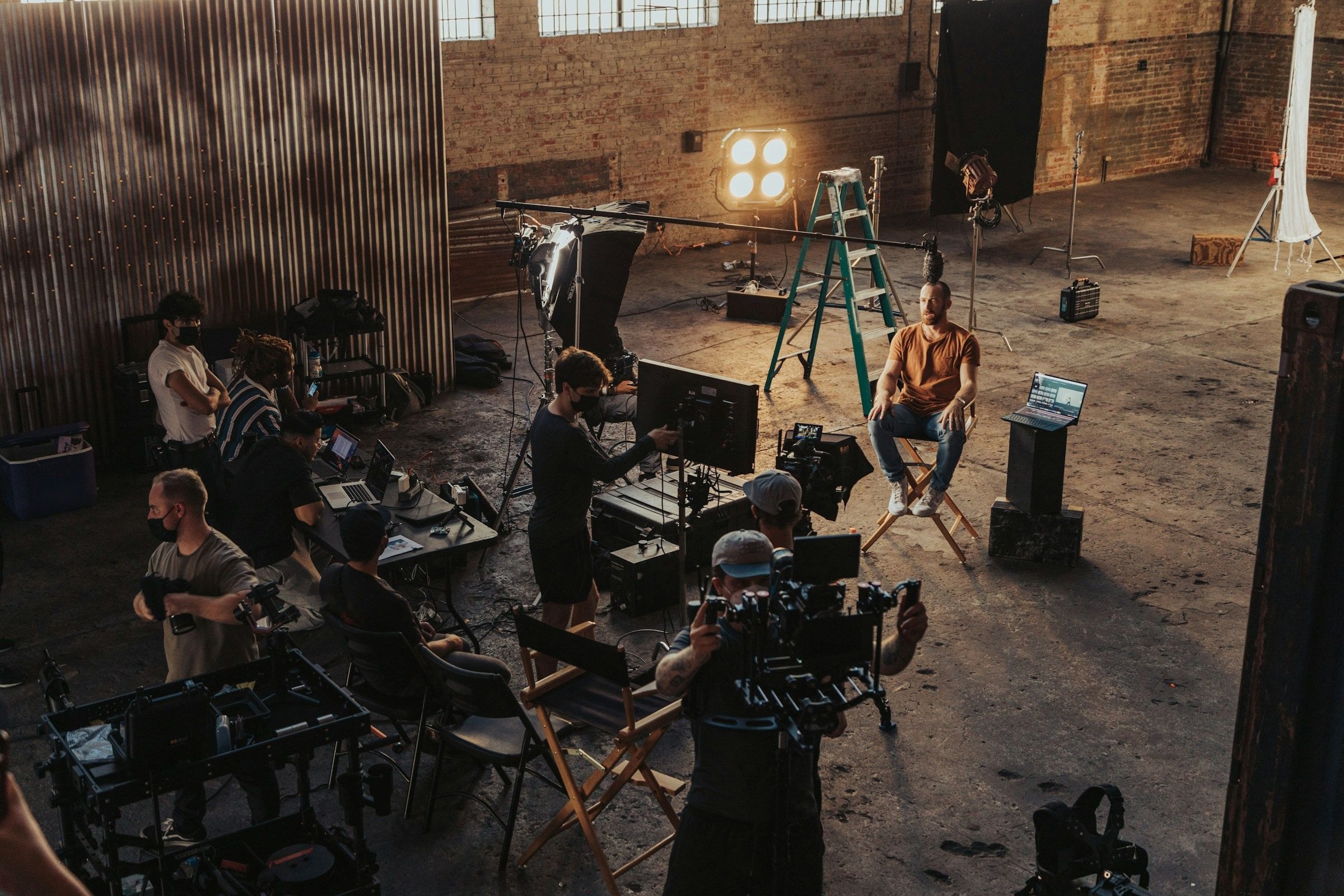
A film crew at work on a set in a large brick warehouse: cameras, lights, a monitor station and a presenter seated on a stool.
Read the story
  • Campaign & Content Design
  • AI Design
  • Marketing Technology

At a glance

The brief. Make each asset once, then adapt it for every market.

Client
A global consumer-health brand
Year
2023
Duration
Ongoing, set up in 3 months
Scale
One master, every market

Picture story

Masters, made once. On set, in the edit, in the library.

The pictures on this page are illustrative: licensed stock photography and code-built mock-ups chosen to show the setting, not the client’s own work. Credits are at the foot of the page.

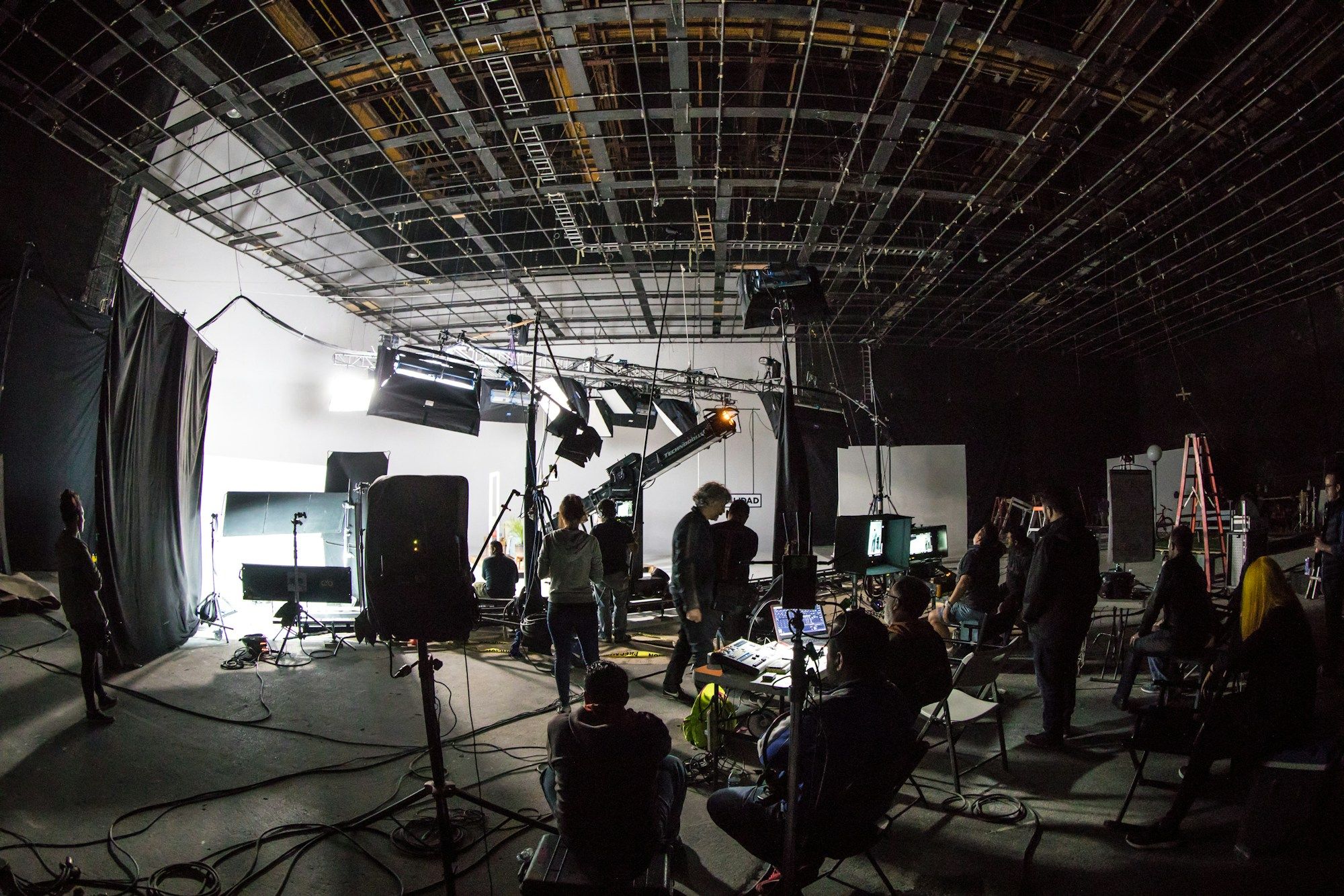
A wide view of a soundstage with lighting rigs overhead and a crew around cameras and monitors.
Fig. 01Masters made once, centrally.Brands&People on Unsplash (opens in a new tab)
A camera crew crouched around a rig in shafts of blue light on a dark set.
Fig. 02Every set-up planned for adaptation.Daniel on Unsplash (opens in a new tab)
A black-and-white photo studio scene: a photographer adjusts a model’s dress beside a large light.
Fig. 03Shot lists cover every market’s formats.Leng Chan on Unsplash (opens in a new tab)
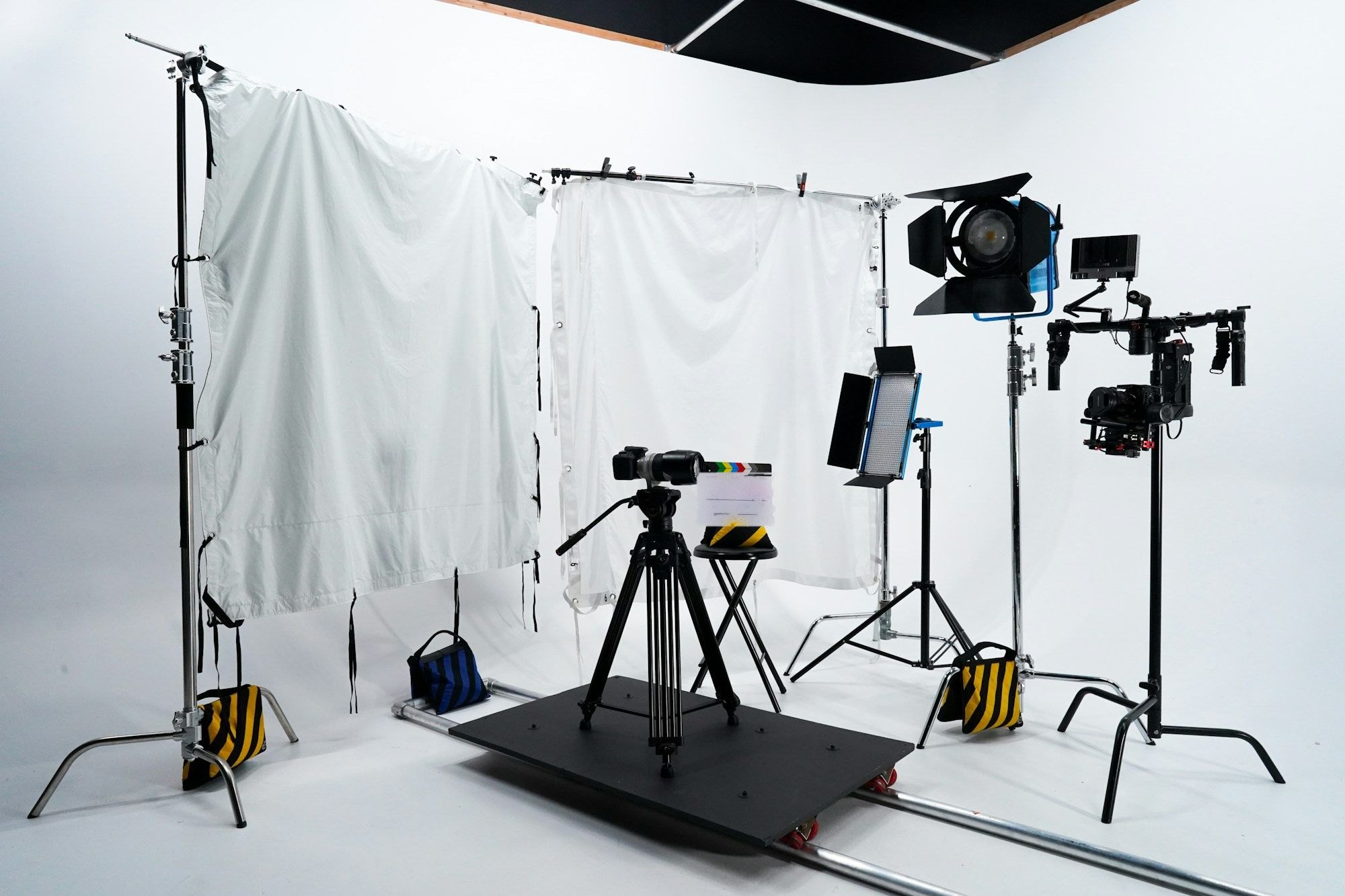
A white tent studio with a camera on a dolly, stands and lights ready for a product shoot.
Fig. 04Product set-ups repeat across markets.Voyage Pro on Unsplash (opens in a new tab)
An editor in headphones works at a monitor in a dark edit suite.
Fig. 05Adaptation is assisted; a market reviewer approves.Mark Cruz on Unsplash (opens in a new tab)
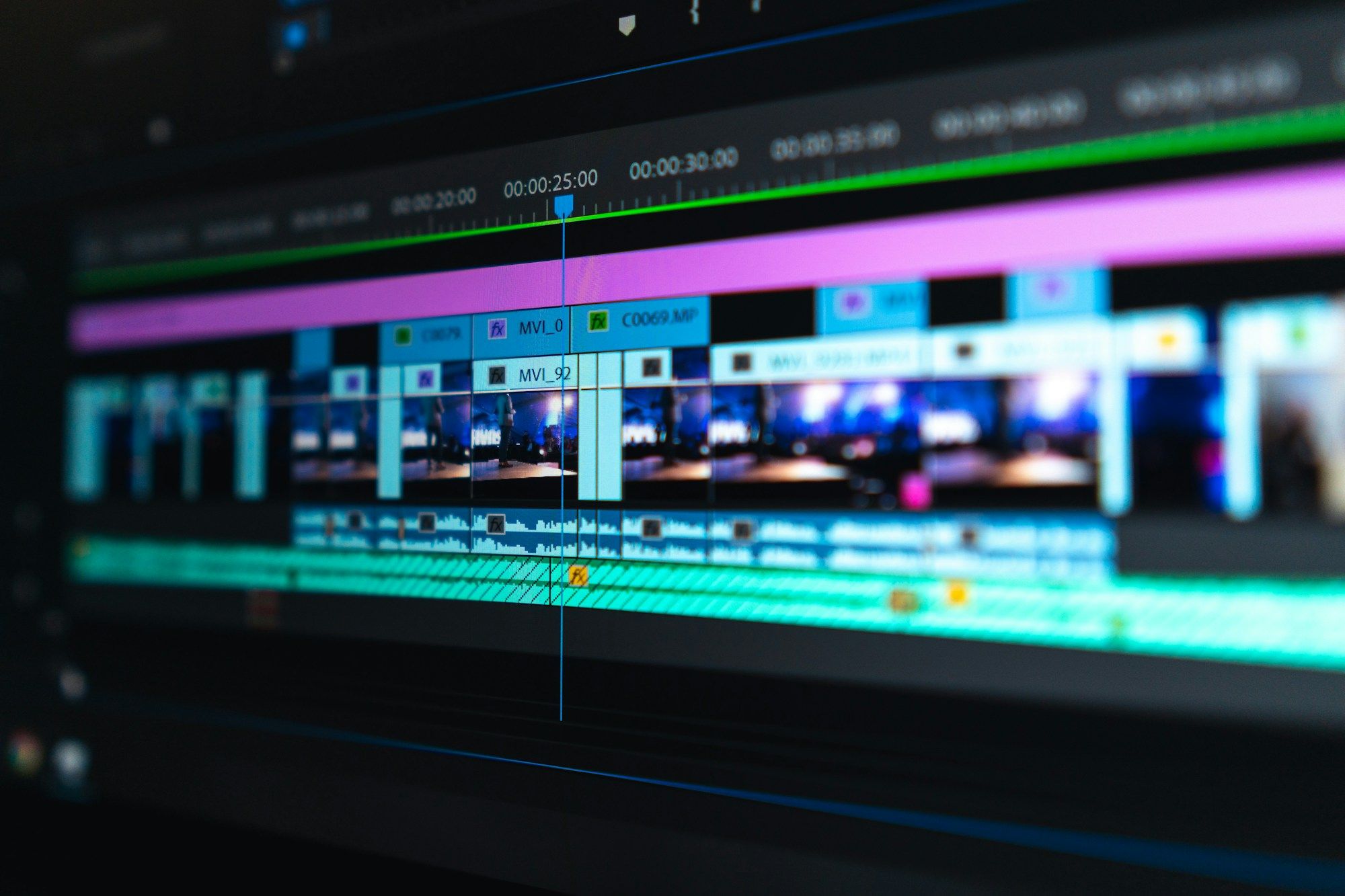
Close-up of a video editing timeline with blue and purple clips and audio tracks.
Fig. 06Every cut keeps its source and its rights.Peter Stumpf on Unsplash (opens in a new tab)

More pictures 2

  • A film crew gathered around a camera on a dark set, lit from one side.
  • A monitor in a dark room showing video editing software with a timeline and a preview window.

On screen

One library, one queue. Rights on every file, a person on every version.

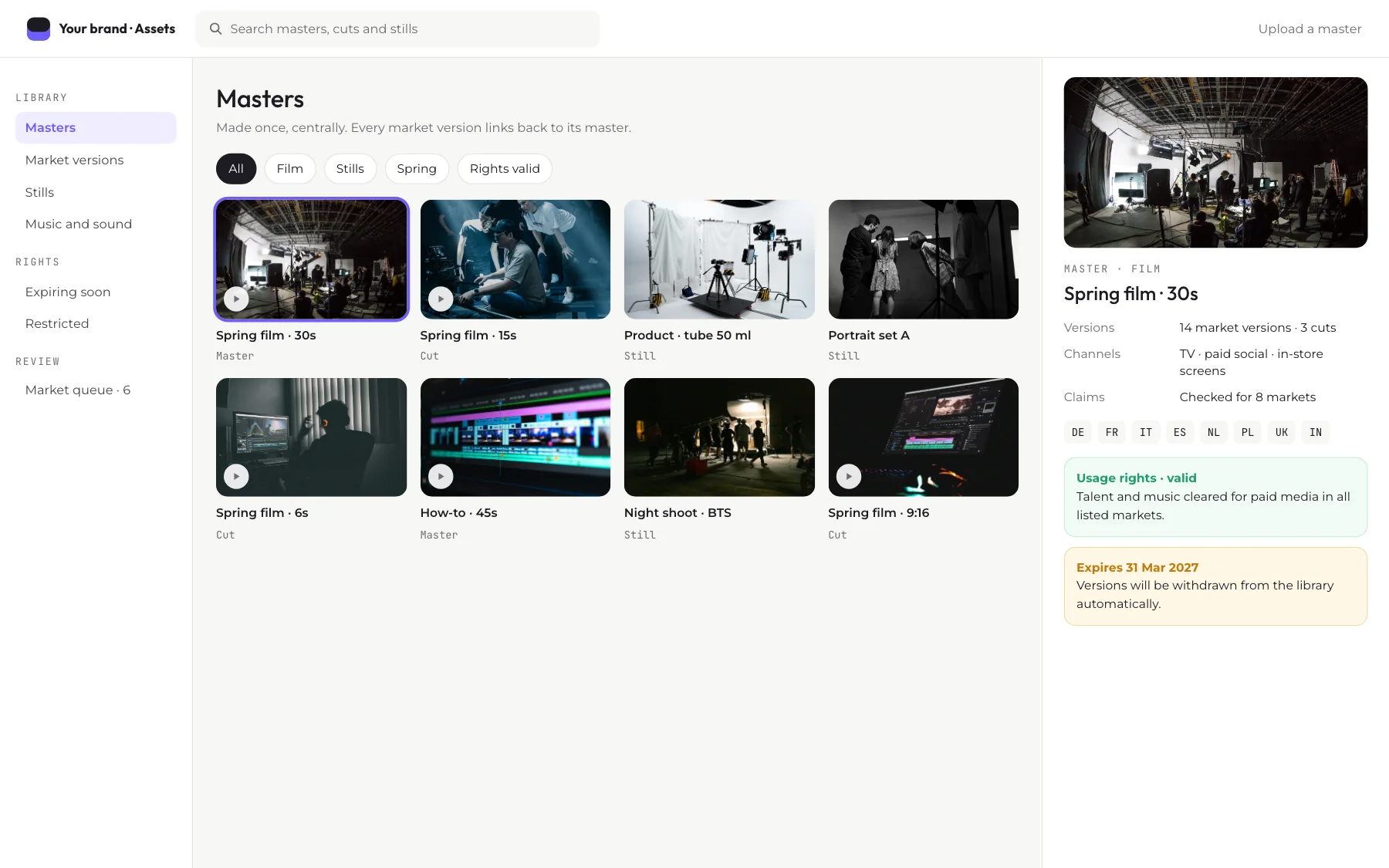
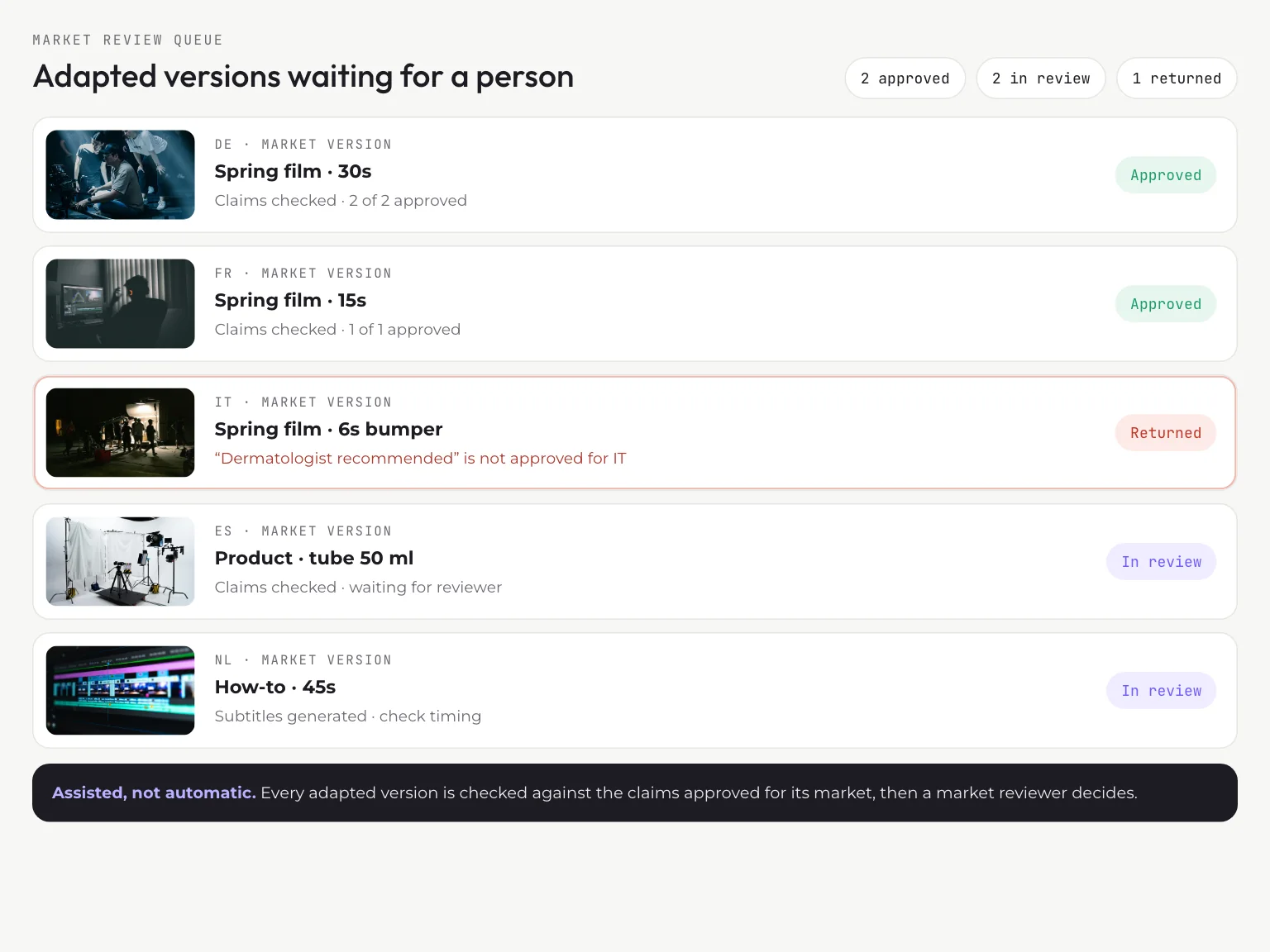
Illustrative screens, built in code to show the kind of screen the programme produced — not the client’s own. Open any of them full screen.

Illustration: an asset library with a grid of video and photo thumbnails and, for the selected master, its markets, channels, usage rights and expiry date.
DesktopOne library: every master with its rights, markets and expiry.
Illustration: a market review queue on a tablet listing adapted versions with their claims checks: two approved, two waiting for a reviewer and one returned with a note.
TabletThe market review queue: generated versions wait for a person.

From brief to result

Make once, adapt everywhere. How the production line was built.

The brief in full, how we approached it, what we built and what it set out to change.

The brief, in full

Each market commissioned and shot its own content, so the same message was produced many times over, with a different claims check each time and no single record of who could use what, where, and until when.

The brief: make each asset once, then adapt it for every market.

Our approach

We moved production to a hub-and-spoke model: one master asset made centrally, adapted for each market, and checked against the claims approved for that market before review.

Adaptation is assisted, not automatic — generated versions go to a market reviewer — and every asset lives in one library with its usage rights and expiry.

How it ran

  1. Weeks 1–4Model

    The production operating model, and who approves what.

  2. Weeks 3–10Library

    One asset library with rights metadata: markets, channels, expiry.

  3. Weeks 6–12Adaptation

    Assisted adaptation with claims checks, and the market review queue.

  4. OngoingRunning

    Masters produced centrally; markets adapt and approve.

What we built

A hub-and-spoke production model: one master asset, market adaptations generated and checked against approved claims, and a single asset library with usage rights.

What it left behind

  1. Production operating model
  2. Adaptation workflow
  3. Asset library and rights metadata
  4. Market review queue

What changed

The model is set up so each master asset is made once and adapted per market, with claims checked before a person reviews it, and every file carrying its usage rights.

The measures below are read per market. Figures are published only with the client’s approval.

How it is measured

Outcomes

Judged market by market. Reuse, speed and exceptions.

What each measure is compared with, when it is read and who reports it — and the results, once the client approves them.

The measurement plan

  1. Adaptations per master asset

    Compared with
    Assets commissioned per market the year before
    Read
    Quarterly, from the asset library
    Result
    Awaiting approval Reported by The executive producer
  2. Turnaround per market

    Compared with
    Median days from master to market-ready, before the hub
    Read
    Each campaign
    Result
    Awaiting approval Reported by Market reviewers, from the review queue
  3. Rights and claims exceptions

    Compared with
    Exceptions logged in the year before
    Read
    Monthly
    Result
    Awaiting approval Reported by The asset librarian

Results

Figures pending client approval

We publish results only with the client’s written approval. Until then, the plan beside this is what the programme is judged on, and we can walk you through it under NDA.

Credits

The team and the pictures.

People are named only with their agreement.

Team 7 people

  • Executive producer × 1
  • Producers × 2
  • Editors × 2
  • AI production specialist × 1
  • Asset librarian × 1

Credits

Strategy, design and engineering
Xterra Edze
Screens and before-and-after views
Xterra Edze (code-built illustrations)
Photography
Licensed stock from Unsplash, credited picture by picture

Next case · 09 · Financial services

Onboarding with disclosures designed in

Get more applicants through KYC without hiding a single disclosure.

Read the next case

Let’s build what happens next.

Tell us what you’re building. We’ll answer straight.

Book a discovery call

Three ways to start

  1. 01About 2 minutes

    A quick question

    You get A reply from a lead, not a sales queue

  2. 02About 8 minutesMost useful

    A project brief

    You get Options and a first scope after one call

  3. 03About 15 minutes

    A formal RFQ or RFP

    You get Receipt confirmed and a named bid lead

Every engagement starts with a written scope and a quote agreed before work begins. How each package is priced