Health & life sciencesFlagship industry

Consumer health. Built on approved claims.

Trust is earned on the shelf, in search and at the pharmacist’s counter.

For OTC medicine, supplement, personal-care and wellness brands, we build brand systems, approved-claims libraries and content. Every claim carries its evidence, so a portfolio can say more, in more markets, without saying the wrong thing.

Main measure
First-time claims approval
Where we work in consumer health
  • OTC medicines
  • Vitamins & supplements
  • Derma & personal care
  • Wellness brands
  • E-pharmacy
Rules mapped
9 rules · 3 areas
Disciplines that lead
BrandCampaign
Frameworks we build to
DPDP Act 2023 — Digital Personal Data Protection Act, 2023WCAG 2.2 AA — Web Content Accessibility Guidelines
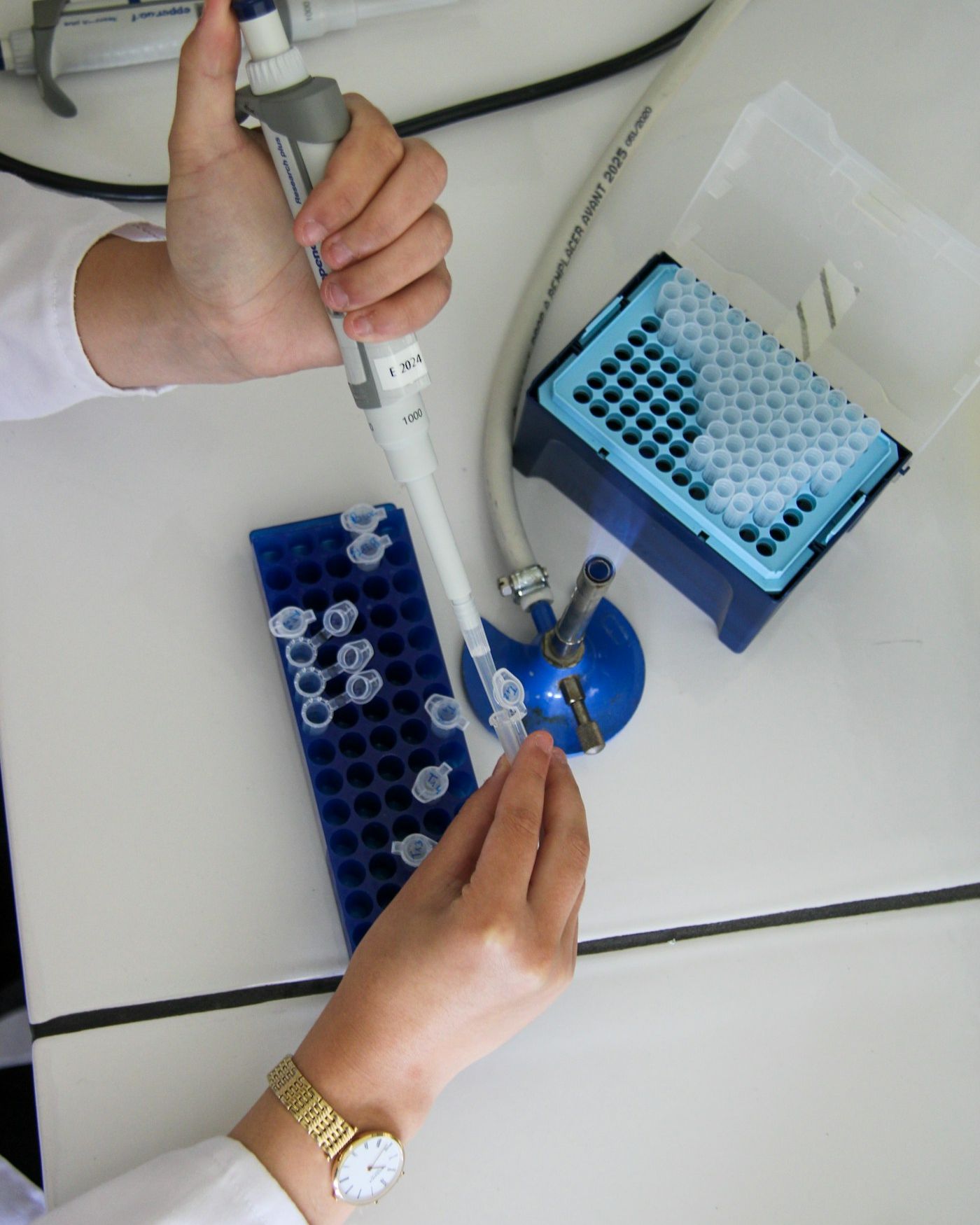
Gloved hands using a pipette over sample racks on a white laboratory bench
Consumer healthEvidence first: every claim starts in the lab notebook.

Where the rules biteMap of all forty-one industries

  • Claims Advertising & claims: Shapes most of the work
  • Regulator Sector regulator: Shapes most of the work
  • Payments Payments: Sometimes shapes the work
  • Data Personal data: Often shapes the work
  • Security Security & incidents: Sometimes shapes the work
  • Access Accessibility: Often shapes the work
  • AI AI governance: Often shapes the work

What is shifting

Health claims moved from the shelf to the screen.

Shoppers meet a claim in search answers, creator posts and thumbnails before they meet a pharmacist. Each shift lists what it demands and a fact you can check.

A pharmacist in a white coat explains a prescription bottle to an older woman at the pharmacy counter
The counter is still where trust is decided.
  1. Buyers research symptoms in search and AI answers before they reach a pharmacy.

    What it requiresContent that answers health questions accurately and never makes a cure claim.

    EvidenceSearch engines and AI assistants now answer symptom questions before any brand is named.

  2. Quick-commerce and e-pharmacy shrink the pack to a thumbnail on a phone screen.

    What it requiresOne brand system that holds across markets, packs and pharmacy shelves.

    EvidenceOnline listings must carry the pack’s mandatory declarations under the Legal Metrology rules.

  3. Regulators and ASCI now watch influencer and health-claim content as closely as TV.

    What it requiresClaims written once, approved once and reused everywhere they are allowed.

    EvidenceASCI requires health and nutrition influencers to hold and disclose a relevant qualification; since April 2025 that applies only to technical advice.

  4. Personal data, including answers to health questions, is now protected by statute.

    What it requiresConsent per purpose for every question a site or app asks.

    EvidenceThe DPDP Rules were notified on 13 November 2025; their core obligations apply from 13 May 2027.

The rulebook

The rules every health claim must clear.

Advertising codes, drug and food regulations and data law, as they apply to a consumer-health portfolio. Each rule shows what it requires and how our work responds.

Frameworks we build to

  • DPDP Act 2023 — Digital Personal Data Protection Act, 2023
  • WCAG 2.2 AA — Web Content Accessibility Guidelines

We design and build to these frameworks; this is not a claim of certification.

Advertising & claims

Shapes most of the work

  1. Advertising Standards Council of India

    ASCI Code

    Self-regulatory code for Indian advertising: substantiated claims, honest comparisons and clear labels on paid and influencer content.

    We designEvery claim carries its evidence reference before it can be drafted into copy.

    ASCI · Code for Self-Regulation of Advertising Content

  2. Advertising Standards Council of India

    ASCI influencer guidelines — health and nutrition

    Influencers who give technical health or nutrition advice must hold a relevant qualification and disclose it up front; generic, non-technical promotion is exempt. Every paid post carries an ad label.

    We designCreator briefs include the disclosure label and a credentials check, so no unqualified creator gives health advice.

    ASCI · Guidelines for Influencer Advertising in Digital Media; health and nutrition update, August 2023; Addendum II, April 2025

  3. Central Consumer Protection Authority

    CCPA misleading-ads guidelines, 2022

    Consumer Protection Act guidance on substantiation, disclaimers that may not contradict the claim, and due diligence by endorsers.

    We designDisclaimers are designed at the same size, place and speed as the claim they qualify.

    CCPA · Guidelines for Prevention of Misleading Advertisements and Endorsements, 9 June 2022 Official text: CCPA misleading-ads guidelines, 2022

Sector regulator

Shapes most of the work

  1. Government of India

    Drugs & Magic Remedies Act, 1954

    Bars advertising that promises to cure or prevent the diseases and conditions listed in its Schedule.

    We designA blocked-claims list built from the Schedule runs on every draft, human or AI.

    Drugs and Magic Remedies (Objectionable Advertisements) Act, 1954

  2. CDSCO, Ministry of Health

    Drugs Rules, 1945 · Schedule J

    Rule 106: no drug may claim, or suggest, that it prevents or cures a Schedule J condition, from asthma and diabetes to obesity and premature greying.

    We designEvery draft is checked against Schedule J’s conditions, word for word.

    Drugs and Cosmetics Rules, 1945 · rule 106 and Schedule J (as substituted in 1996) Official text: Drugs Rules, 1945 · Schedule J

  3. CDSCO, Ministry of Health

    Cosmetics Rules, 2020 · claims

    Rule 36: no cosmetic may claim, or convey any idea, that is false or misleading to the person who uses it.

    We designPack and listing copy for personal-care lines is checked against what the product is registered and tested for.

    Cosmetics Rules, 2020 · rule 36 Official text: Cosmetics Rules, 2020 · claims

  4. Food Safety and Standards Authority of India

    FSSAI Advertising and Claims Regulations, 2018

    Health claims on foods and supplements need scientific substantiation; claims to prevent, treat or cure a disease are not allowed.

    We designNutraceutical claims are mapped to their substantiated wording before production starts.

    FSS (Advertising and Claims) Regulations, 2018 Official text: FSSAI Advertising and Claims Regulations, 2018

  5. Department of Pharmaceuticals

    Uniform Code for Pharmaceutical Marketing Practices, 2024

    Governs promotion to healthcare professionals: evidence-based material, no gifts or inducements, and compliance declared by companies each year.

    We designPharmacist and doctor programmes are designed without inducements and with evidence on every message.

    Department of Pharmaceuticals · UCPMP, notified 12 March 2024 Official text: Uniform Code for Pharmaceutical Marketing Practices, 2024

Personal data

Often shapes the work

  1. Ministry of Electronics and IT

    DPDP Act, 2023 and DPDP Rules, 2025

    Clear notice, consent for each purpose, withdrawal as easy as consent, verifiable parental consent for under-18s and breach reporting to the Data Protection Board.

    We designConsent is captured per purpose and logged; answers to health questions never reach ad targeting without it.

    DPDP Act, 2023 · DPDP Rules, G.S.R. 846(E), 13 November 2025; core obligations from 13 May 2027 Official text: DPDP Act, 2023 and DPDP Rules, 2025

Compiled 2 October 2026. Our reading of typical programmes, not legal advice. Rules change; your counsel confirms how each one applies to you.

Challenges

Answers shoppers can use and reviewers can approve.

Shoppers want answers they can act on. Your teams need every asset to clear medical, legal and regulatory review.

Your customers

  1. Trust before the first purchase

    Buyers compare symptoms, ingredients and reviews long before they meet a pharmacist.

  2. Claims they can understand

    Plain-language claims that stay inside what the evidence supports.

  3. Help without diagnosis

    Content that informs without diagnosing, dosing or promising a cure.

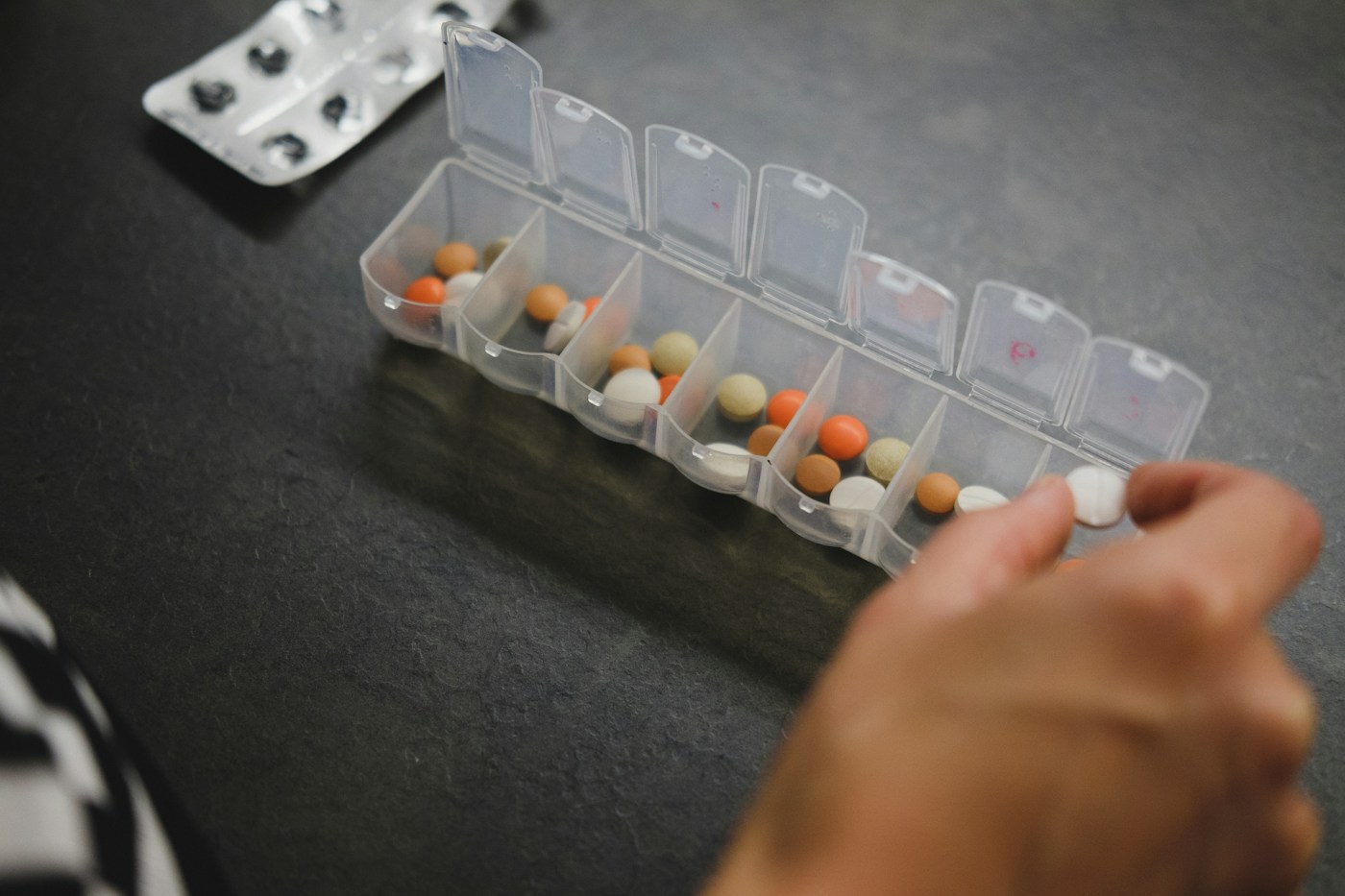
A hand taking a tablet from a weekly pill organiser on a dark table
Adherence happens at home, long after the claim was read.

Your operation

  1. Review queues

    Medical, legal and regulatory review sets the pace of every asset.

  2. Many markets, many packs

    Pack, listing and shelf versions go off-brand as each market adapts them.

  3. Creators and claims

    Influencer content must carry labels and qualified voices without losing reach.

What we build

Claims libraries first, then brand, content, AI and search.

Approved claims shape everything else, so the brand system and content production carry most of the work. Each line links to the capability that does it.

Leads Core Supports Share of a typical programme, by role · illustrative
  1. 01

    Brand Design

    Leads

    Brand systems and pack architecture that work across nine markets and three retail formats.

  2. Claims libraries, approved-copy modules and content production for each market.

  3. 03

    AI Design

    Core

    AI drafting with automatic checks: a blocked-claims list, medical and legal sign-off and an audit log.

  4. Consent-based CRM and pharmacist programmes built to health-data rules.

  5. Search and AI visibility for health questions, on fast, accessible sites.

  6. Symptom-led content hubs and product finders, tested with shoppers.

Programmes

Map your claims first, then roll out what clears review.

You can start with the claims diagnostic; what follows depends on what it finds. Lengths are typical.

The way in

Claims and channel diagnostic

We map every claim, where it appears and who approves it, then show where review stalls and where the risk sits.

Package
Sprint · Fixed fee
Typical length
2–3 weeks
It sets
Time from brief to approved asset, as a baseline
  • Brand audit & diagnostic
  • AI readiness diagnostic

What you get

  • A claims inventory, with the evidence behind each claim
  • A map of the review queue and where it stalls
  • A blocked-claims list built from Schedule J and the DMR Act
Start here
  1. 02Milestone · 4–9 months

    Multi-market brand and pack refresh

    One brand system for packs, shelves and screens, rolled out market by market with the claims each market allows.

    MeasurePack and shelf recognition in market testing

    Services: Logo & identity system · Packaging design · Brand guidelines

    Enquire about Multi-market brand and pack refresh
  2. 03Project · 8–12 weeks

    Claims library and AI drafting

    Approved claims and their evidence in one library; AI drafts only from it, and medical and legal reviewers approve.

    MeasureShare of assets passing claims review first time

    Services: Brand voice & copy model · Voice-aware copy assistant · Brand fidelity evaluation

    Enquire about Claims library and AI drafting
  3. 04Project · 6–10 weeks

    Symptom-led content hub

    Answers to the questions buyers ask, written from approved claims and structured so search engines and AI assistants can cite them.

    MeasureShare of search and AI answers citing the brand

    Services: AI search visibility (AEO & GEO) · Content strategy & editorial plan · Website

    Enquire about Symptom-led content hub
  4. 05Retainer · Ongoing

    Pharmacist and doctor programme

    Evidence-led, inducement-free communication with pharmacists and doctors, designed to the 2024 marketing code.

    MeasureOpt-in and engagement among pharmacists

    Services: Lifecycle marketing programme · Email, SMS & WhatsApp set-up

    Enquire about Pharmacist and doctor programme

How success is measured

Main measureFirst-time claims approval

  • Time from brief to approved asset
  • Share of assets passing claims review first time
  • Share of search and AI answers citing the brand
  • Pack and shelf recognition in market testing

AI, under the rules

AI drafts from approved claims, and never publishes.

Each use case runs automatic checks built from the rules above. A medical or legal reviewer approves what goes live, and every step is logged.

Use case 01

Claims-safe drafting

Measured byShare of drafts passing review first time

Tested forOWASP LLM09 · Misinformation

agent / claims-safe-drafting Guarded
  1. TaskDrafts pack, listing and social copy only from the approved claims library.
  2. CheckA blocked-claims list from the DMR Act Schedule and Schedule J runs before any draft is shown.
  3. ApproverMedical and legal reviewers approve; the model cannot publish.
  4. LogEvery draft stores the claim IDs and the evidence it used.

Goes live only with its evaluation set, automatic checks and a named owner

Use case 02

Health-question answers

Measured byAnswer accuracy on an agreed evaluation set

Tested forOWASP LLM02 · Sensitive information disclosure

agent / health-question-answers Guarded
  1. TaskAnswers shopper questions on the brand’s site from approved content only.
  2. CheckRefuses diagnosis and dosage questions and points to a pharmacist or doctor instead.
  3. ApproverA pharmacist answers escalations, aiming to reply within hours, and a “see a doctor” option is always shown.
  4. LogQuestions, sources cited and refusals, without personal identifiers.

Goes live only with its evaluation set, automatic checks and a named owner

Use case 03

Creator content checks

Measured byCreator posts approved without rework

Tested forOWASP LLM05 · Improper output handling

agent / creator-content-checks Guarded
  1. TaskChecks creator drafts for the ad label, the qualification disclosure and the claim wording.
  2. CheckNo post can be scheduled without the label ASCI requires.
  3. ApproverThe brand manager signs off each post.
  4. LogA record of every check and approval.

Goes live only with its evaluation set, automatic checks and a named owner

A deliverable, in working code

Test a claim against the blocked-claims check.

The same check every AI draft passes. Type a claim or load an example to see what it flags and why. Illustrative only; it does not replace your reviewers.

Claims approval trailIllustrative

Claim under review“Clears a blocked nose in five minutes.”

  1. AI draftfrom an approved moduleDone
  2. Evidence linkedstudy reference attachedDone
  3. Blocked-claims checkDMR Act · Schedule JDone
  4. Medical reviewhuman sign-offDone
  5. Legal & ASCIin reviewIn review

Blocked at draft“Cures asthma for good.”

Claims to cure a Schedule J condition, so it is stopped before review.

Every step is logged with the reviewer and the time.

What it shows

Illustrative claims approval trail: one claim moves from AI draft through evidence, the blocked-claims check and medical review to legal review. A claim to cure asthma, a Schedule J condition, is stopped before review. The checker tests any claim you type against the same list.

Figures

Every number here is illustrative and shows how the deliverable reads; none is a client result.

Work and insights

Anonymised work and insights.

Consumer-health projects stay anonymous until each client approves the write-up; our articles on the rules above sit alongside them.

All work in consumer health

A typical programme · composite

A consumer-health portfolio in nine markets moved to one brand system and one approved-claims library, so every market now works from the same rules.

Anonymised and illustrative: the shape a programme takes, never a named client.

Questions

What brand and medical teams ask us first.

Something else on your mind? Ask us directly

Q.01Do you give regulatory advice on claims?

No. We design and build to the codes and rules, and we make your medical, legal and regulatory review faster. Your reviewers and counsel keep sign-off.

Q.02Can AI write health claims?

Only from claims your team has already approved. Every draft passes the blocked-claims check, and a named reviewer approves each asset before release.

Q.03Do you work on prescription medicines?

Yes, within limits. Prescription medicines are not advertised to the public in India, so we work on healthcare-professional programmes under the 2024 marketing code and on corporate brand work.

Q.04Can one brand system work across several markets?

Yes. The claims library and brand system record what each market allows, in its own language, so every market works from one brand.

Tell us what you need built.

You will speak to a lead who would run the work, and get a straight answer on fit.

Book a call

Three ways to start

  1. 01About 2 minutes

    A quick question

    You get A reply from a named lead

  2. 02About 8 minutesRecommended

    A project brief

    You get Options and a first scope after one call

  3. 03About 15 minutes

    A formal RFQ or RFP

    You get Receipt confirmed and a named bid lead

Every engagement starts with a written scope and a quote agreed before work begins. How each package is priced