Practice lead
Rushil Munjal
Practice Lead, Brand Design
Brand
Leads the Brand Design practice at Xterra Edze: brand strategy, identity and the design systems that carry a brand across every touchpoint.
- Brand strategy
- Visual identity
- Design systems
Company · The team
Strategists, designers, engineers, writers and AI specialists in New Delhi, Ludhiana and across India. Each belongs to a practice that holds the craft standard, and joins a squad formed around one programme — with agents doing the repeatable work and a named person owning every decision.
 Brand strategistBrand
 Identity designerBrand
 WriterCampaign
 EngineerTechnology
 AI designerAI
 Product designerProduct
 Data and CRM specialistMarketing
 Engagement directorDelivery
Squad 1 of 4
Brand relaunch
6 people · 2 agents
Squad 2 of 4
AI product
6 people · 3 agents
Squad 3 of 4
Always-on growth
6 people · 3 agents
Squad 4 of 4
Platform rebuild
7 people · 3 agents
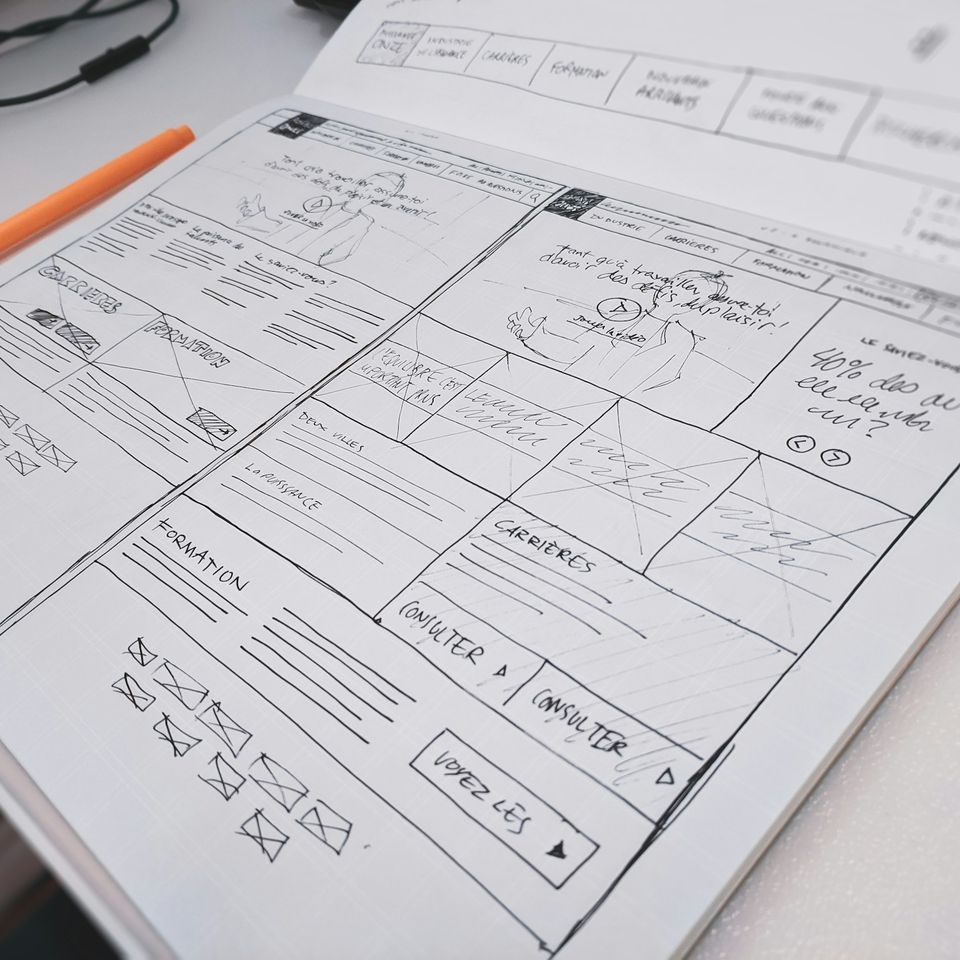
A board of eight roles, each shown by a photograph of hands at work. One programme at a time lights up the roles its squad draws on; the programme is named beside the board.
Leadership
Every programme has one person accountable for it, and every practice a lead accountable for its craft. Nothing reaches a client without a named approver — and an agent is never one.
Practice lead
Practice Lead, Brand Design
Brand
Leads the Brand Design practice at Xterra Edze: brand strategy, identity and the design systems that carry a brand across every touchpoint.
Practice lead
Practice Lead, Technology & Intelligence
Technology
Leads the Technology & Intelligence practice at Xterra Edze: the platforms, products and AI systems we build and run for clients, from architecture to production.
An organisation chart. Studio leadership sits at the top. Below it run two lines: delivery, through the engagement director who runs each programme, and craft, through the practice leads who hold each standard. Both lines meet in the squad specialists, who own the agents working beside them. The engagement director prepares each stage gate; your sponsor decides it.
Who: The people who run the studio
Who: One for each programme, from the first brief to the system in production
Who: One for each practice, delivery included
Who: The strategists, designers, engineers and writers on your programme
Agents draft, check and report. Each has one named owner on the squad, and none signs anything off. How agents are owned
The seats run from studio leadership, through the engagement director and the practice leads, to the specialists on the squad; agents sit beside the people who own them.
The team
Filter by practice or studio. Each profile lists the work they have led, what they write about and where to find them.
Practice
1 person
Practice lead
Practice Lead, Brand Design
Brand
Leads the Brand Design practice at Xterra Edze: brand strategy, identity and the design systems that carry a brand across every touchpoint.
Practice lead
Practice Lead, Technology & Intelligence
Technology
Leads the Technology & Intelligence practice at Xterra Edze: the platforms, products and AI systems we build and run for clients, from architecture to production.
No one in that practice and studio yet.
Show everyonePractices
Six disciplines, plus delivery and operations. A practice hires, trains and reviews its people; it never works alone — every programme draws on several.

We define who a brand can become across every interaction that shapes it, and build the systems that let it show up that way at scale.
Strategists and designers who build brand foundations, identities and the systems that keep them consistent — with brand-check agents enforcing the rules they write.

We build and run the technical foundation a brand needs — software, AI systems, infrastructure, and the security and support to keep it all dependable.
Engineers who build websites, platforms, data systems and AI products, with tests, evals and security in the pipeline on every change.

We build campaigns and the content behind them — films, edits, motion, social and media kits — shot, cut and versioned for every channel they run on.
Creatives, writers and producers who make campaigns and content systems — using AI to explore wider, and people to choose.
Hires for the practice, reviews its work before it reaches a client, and sets what good looks like.

Assistants, AI films and creatives, and brand-tuned image models — experiences designed with AI, not just made faster by it, with a person signing off what ships.
Designers of AI experiences and AI-powered creative tools, for whom honesty about what a system can do is part of the design.
Hires for the practice, reviews its work before it reaches a client, and sets what good looks like.

We rethink how people actually use what a brand builds — shaping the strategy and design that sits ahead of every build.
Researchers and product designers who take web and app experiences from evidence to shipped, accessible product.
Hires for the practice, reviews its work before it reaches a client, and sets what good looks like.
We build the technology backbone that makes personalization, automation, and always-on marketing possible, and design the relationships that turn a single purchase into a lasting one.
Architects and specialists who join CRM, data, analytics and automation into one system a marketing team can run.
Hires for the practice, reviews its work before it reaches a client, and sets what good looks like.

We run every engagement through the same gated model — plans, risks, decisions and the weekly review — so the six disciplines can do their best work.
Engagement directors, programme managers and the people who keep the studio running: plans, budgets, hiring and the tools everyone uses.
Hires for the practice, reviews its work before it reaches a client, and sets what good looks like.
How a team is formed
We staff a programme from the practices it needs, for the phases it needs them, and name everyone in the plan you sign. Choose a programme to see who joins, when, and which agents work beside them.
A new position, identity and system, rolled out across every touchpoint.
| Seat | DiscoverWeeks 1–3 Decision gate | DefineWeeks 4–6 Decision gate | BuildWeeks 7–14 Decision gate | LaunchWeeks 15–16 | RunFrom week 17 |
|---|---|---|---|---|---|
| Engagement director Accountable Delivery | Discover: Part time | Define: Part time | Build: Part time | Launch: Part time | Run: Light touch |
| Brand strategist Brand | Discover: Full time | Define: Full time | Build: Light touch | Launch: Light touch | Run: Not on the squad |
| Identity designer Brand | Discover: Light touch | Define: Full time | Build: Full time | Launch: Part time | Run: Light touch |
| Writer Campaign | Discover: Light touch | Define: Part time | Build: Full time | Launch: Part time | Run: Light touch |
| Design-system designer Brand | Discover: Not on the squad | Define: Light touch | Build: Full time | Launch: Part time | Run: Light touch |
| Front-end engineer Technology | Discover: Not on the squad | Define: Not on the squad | Build: Full time | Launch: Full time | Run: Light touch |
An assistant or agent your customers use, with evals and guardrails from the first week.
| Seat | DiscoverWeeks 1–3 Decision gate | DefineWeeks 4–6 Decision gate | BuildWeeks 7–14 Decision gate | LaunchWeeks 15–16 | RunFrom week 17 |
|---|---|---|---|---|---|
| Engagement director Accountable Delivery | Discover: Part time | Define: Part time | Build: Part time | Launch: Part time | Run: Light touch |
| Product strategist Product | Discover: Full time | Define: Full time | Build: Light touch | Launch: Light touch | Run: Light touch |
| AI experience designer AI | Discover: Light touch | Define: Full time | Build: Full time | Launch: Part time | Run: Light touch |
| Machine learning engineer Technology | Discover: Light touch | Define: Part time | Build: Full time | Launch: Full time | Run: Part time |
| Full-stack engineer Technology | Discover: Not on the squad | Define: Light touch | Build: Full time | Launch: Full time | Run: Part time |
| QA and evals engineer Technology | Discover: Not on the squad | Define: Part time | Build: Full time | Launch: Full time | Run: Part time |
Campaigns, lifecycle and reporting that run every week, not just at launch.
| Seat | DiscoverWeeks 1–3 Decision gate | DefineWeeks 4–6 Decision gate | BuildWeeks 7–14 | LaunchWeeks 15–16 | RunFrom week 17 |
|---|---|---|---|---|---|
| Engagement director Accountable Delivery | Discover: Part time | Define: Part time | Build: Light touch | Launch: Light touch | Run: Light touch |
| Campaign strategist Campaign | Discover: Full time | Define: Full time | Build: Part time | Launch: Part time | Run: Part time |
| Creative lead Campaign | Discover: Light touch | Define: Part time | Build: Full time | Launch: Full time | Run: Part time |
| CRM and lifecycle specialist Marketing | Discover: Light touch | Define: Part time | Build: Full time | Launch: Full time | Run: Full time |
| Performance marketer Campaign | Discover: Not on the squad | Define: Light touch | Build: Part time | Launch: Full time | Run: Full time |
| Data analyst Marketing | Discover: Light touch | Define: Light touch | Build: Part time | Launch: Full time | Run: Full time |
A website, platform or data system rebuilt and migrated without losing what works.
| Seat | DiscoverWeeks 1–3 Decision gate | DefineWeeks 4–6 Decision gate | BuildWeeks 7–14 Decision gate | LaunchWeeks 15–16 | RunFrom week 17 |
|---|---|---|---|---|---|
| Engagement director Accountable Delivery | Discover: Part time | Define: Part time | Build: Part time | Launch: Part time | Run: Light touch |
| Solution architect Technology | Discover: Full time | Define: Full time | Build: Part time | Launch: Light touch | Run: Light touch |
| Product designer Product | Discover: Part time | Define: Full time | Build: Full time | Launch: Light touch | Run: Not on the squad |
| Back-end engineer Technology | Discover: Not on the squad | Define: Part time | Build: Full time | Launch: Full time | Run: Part time |
| Data engineer Technology | Discover: Light touch | Define: Part time | Build: Full time | Launch: Full time | Run: Light touch |
| QA and evals engineer Technology | Discover: Not on the squad | Define: Light touch | Build: Full time | Launch: Full time | Run: Part time |
| Martech architect Marketing | Discover: Light touch | Define: Part time | Build: Light touch | Launch: Part time | Run: Light touch |
How we work with AI
Every agent we run has a named owner, a written scope, evals it must pass and a log anyone on the programme can read. This is who does what on an ordinary programme.
| The work | Agent | Specialist | Engagement director | Your team |
|---|---|---|---|---|
| Research synthesis An agent clusters interview transcripts into themes with the quotes attached; the strategist checks every theme against the recordings and signs the synthesis. | Does the work | Answers for it | Informed | Consulted |
| First drafts — copy, layouts, code Agents widen the options inside the brand system or the codebase; the specialist chooses, rewrites by hand where it matters and answers for what ships. | Does the work | Answers for it | Informed | Informed |
| Brand, accessibility and claims checks A checking agent runs the brief’s rules on every asset and flags anything uncertain; claims that need proof go to your team before they go anywhere else. | Does the work | Answers for it | Informed | Consulted |
| Code review and tests A review agent reads every pull request first and a test agent runs the suites; an engineer approves the merge. | Does the work | Answers for it | Informed | Informed |
| The weekly report A reporting agent drafts the read-out with every figure traced to its query; the engagement director edits it and answers for it. | Does the work | Consulted | Answers for it | Informed |
| Stage gates and sign-off The engagement director prepares each gate with the evidence; your sponsor decides. No agent takes part in a sign-off. | No part | Consulted | Does the work | Answers for it |
| Agent scope and model changes The agent’s owner writes its scope and reruns its evals after any model change; the engagement director approves, and your team is consulted on data use. | No part | Does the work | Answers for it | Consulted |
No A in the agent column, by design.
AgentAG-01
AgentAG-02
AgentAG-03
AgentAG-04
Every agent belongs to one person on the squad, who answers for what it does.
Client material is used only in enterprise workspaces with zero data retention.
An agent ships only after its evals pass, and runs them again after any model change.
Nothing an agent makes reaches you until a named person has reviewed and approved it.
Who asked, which model version answered and which checks ran — kept with the project.
Studios
Visits are by appointment. Workshops can be at either studio, or at yours.

At Aerocity, beside the airport.

Two suites at Noble Enclave on Ferozepur Road, opposite Hotel Park Plaza.
Suites
SCO-2, LGF, SCO-1, 3rd Floor
30.90° N · 75.83° E
Directions
For roles marked remote, with a team week in a studio every quarter.
Anywhere in India
Culture and rituals
Every ritual has a purpose and leaves something written behind; when one stops producing anything, we stop holding it. The studio week in detail is on the careers page.
The studio week, day by day

A year from January to December, one row per cadence, each row marking when its ritual happens — every working day, every week, every month, every quarter, twice a year and once a year — with a line at today’s date.
Growth
The levels and how reviews work are written down on the careers page. This is how growth happens in between: a practice that teaches, squads that stretch you, and a mentor by name.
The ladder and how reviews workDay onePractice
An Associate (L2), with a mentor by name from the first day and a learning plan agreed in writing.
Month 2Squad
Owns the research for the onboarding flow, with the product strategist reviewing.
Month 8Squad
Tests the new journeys with real users beside the engineers, with a new mentor.
Month 11Squad
Design-system work beside Brand Design, to widen the craft.
Month 16Guild
Writing it down for the other practices is part of the job.
Month 24Review
Evidence from three squads, read against the six standards — about two years in, as the track intends.
Month 30Squad
Leads the research and design of one feature on a platform rebuild, and mentors a new associate.
Everyone has one, outside their own line, from their first week.
Programmes end; people move to work that stretches a different muscle.
Every month one practice teaches the others what it has learned.
For courses, books and conferences, every year.

Join the team
Every role lists its band, its practice and how we hire for it. If none fits, a speculative application goes to the practice lead who would read it.
Questions
Each answer comes from the seat that would give it to you in the room.
The people named in the plan you sign: the engagement director, the practice leads involved and the squad. If someone has to change, you hear it from us first, in writing, with the reason.
Answered by Engagement director
Yes. The engagement director and at least one practice lead join the scoping conversation, and you can ask to meet anyone named in the plan.
Answered by Studio leadership
Sometimes, for specialist production such as a location shoot. They work under our contract and NDA, are named in the plan, and never see your data without your approval.
Answered by Studio leadership
Our studios in New Delhi and Ludhiana, and remotely across India, all in India Standard Time. Workshops can be at a studio or at your office.
Answered by Studio leadership
Agents draft, check and report inside a scope a person sets. A named person reviews and approves everything that reaches you, and every agent has an owner you can ask about it.
Answered by Practice leads
Ask for them by name. We keep squads together across phases wherever the work allows, because what a squad has learned stays with it.
Answered by Engagement director
Tell us what you’re building. We’ll answer straight.
01About 2 minutes
You get A reply from a lead, not a sales queue
02About 8 minutesMost useful
You get Options and a first scope after one call
03About 15 minutes
You get Receipt confirmed and a named bid lead
Every engagement starts with a written scope and a quote agreed before work begins. How each package is priced