Consumer & retail

Beauty & personal care. Every claim is tested twice.

Once in the lab, and once in the comments.

Skincare, make-up, haircare and fragrance brands, where a claim travels from a formulation sheet to a creator’s reel in a day. We build the brand systems, claims libraries and creator programmes that let a portfolio say what its products do — and nothing they do not.

The number we move
Creator content approved first time
Where we work in beauty & personal care
  • Skincare
  • Make-up
  • Haircare
  • Fragrance
  • Salon & professional
Rules mapped
7 rules · 3 areas
Disciplines that lead
BrandCampaign
Frameworks we build to
DPDP Act 2023 — Digital Personal Data Protection Act, 2023WCAG 2.2 AA — Web Content Accessibility GuidelinesCore Web Vitals — Loading, interactivity and visual stability
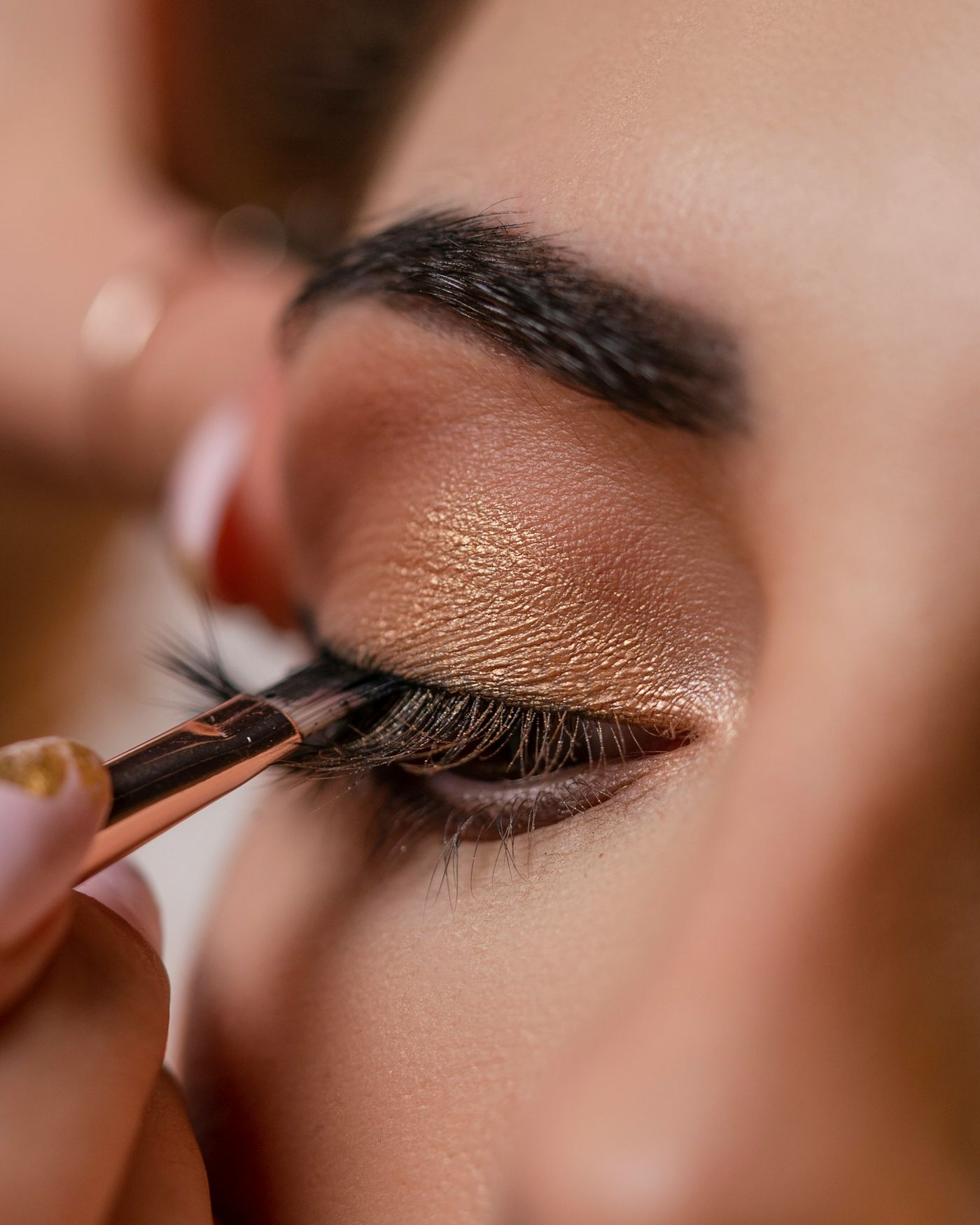
Close-up of a brush blending bronze eyeshadow across a closed eyelid
Beauty & personal careThe shade on screen has to be the shade on skin.

Where the rules biteMap of all forty-one industries

  • Claims Advertising & claims: Shapes most of the work
  • Regulator Sector regulator: Shapes most of the work
  • Payments Payments: Sometimes shapes the work
  • Data Personal data: Often shapes the work
  • Security Security & incidents: Sometimes shapes the work
  • Access Accessibility: Often shapes the work
  • AI AI governance: Often shapes the work

What is shifting

Discovery moved to the reel, and the rules followed it there.

Shoppers meet a product in a creator’s routine, a try-on filter and a comment thread before they meet it on a shelf. Each shift names what it demands, with a fact you can check.

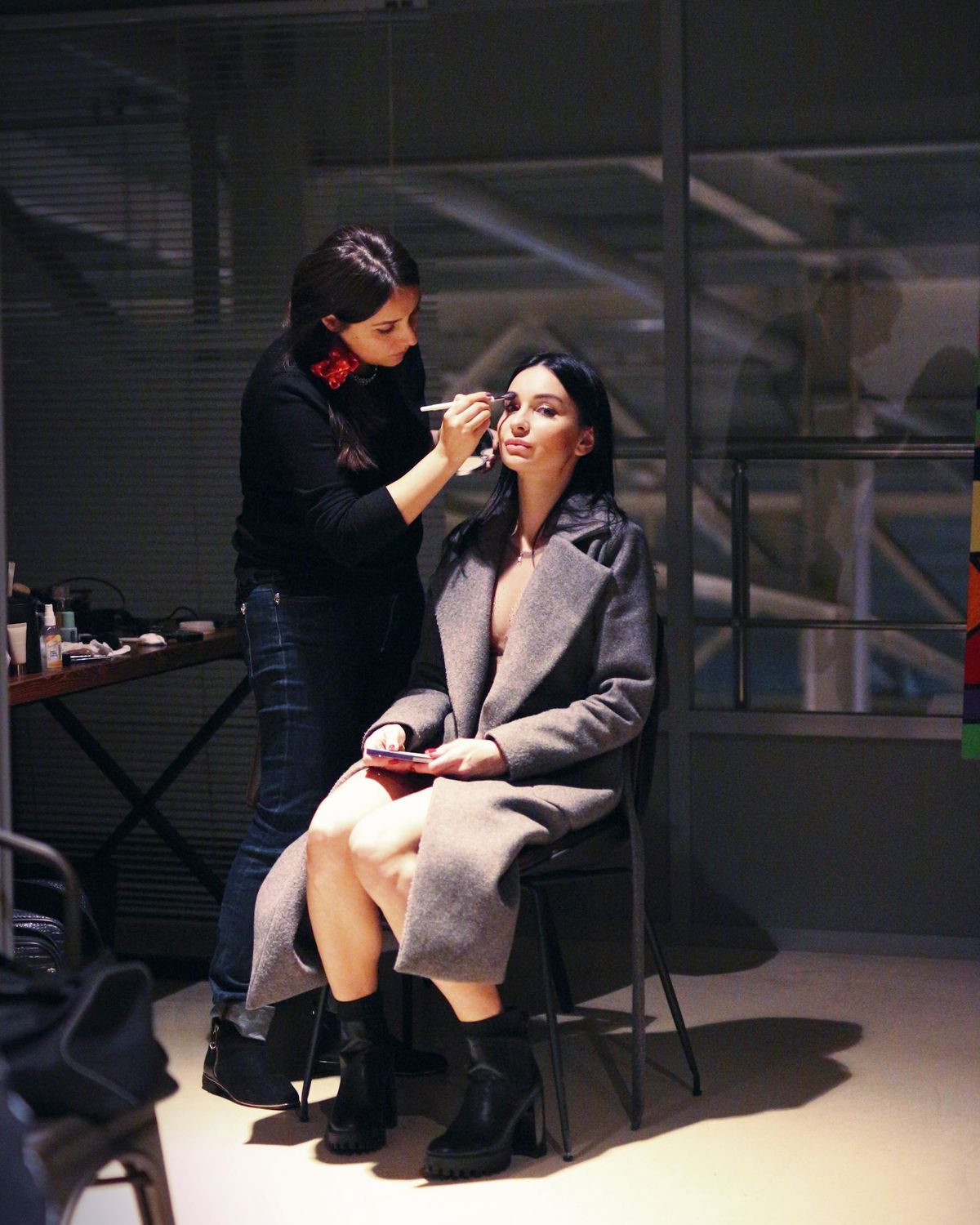
A make-up artist works on a seated model in a dim backstage space
Discovery now happens backstage, on camera.
  1. Discovery moved to creators and short video.

    It demandsCreator briefs with the approved claim and the disclosure built in.

    SignalASCI’s influencer guidelines require a clear disclosure label on every paid or brand-connected post.

  2. Clean, natural and cruelty-free became buying criteria — and regulated claims.

    It demandsEvery environmental or ethical claim specific, and backed by evidence or certification.

    SignalThe CCPA’s 2024 greenwashing guidelines list clean, natural, organic and cruelty-free among the terms that need adequate substantiation.

  3. Skin-tone messaging meets a far more sceptical audience.

    It demandsCampaigns that never present darker skin as a problem to be fixed.

    SignalASCI’s guidelines for fairness and skin-lightening products bar advertising that shows people with darker skin as unhappy, unattractive or at a disadvantage.

  4. Virtual try-on and skin analysis put a camera between the shopper and the shelf.

    It demandsTry-on and skin tools that ask before they use a face, and never diagnose.

    SignalUnder the DPDP Act, 2023, a face image is personal data, used only for the purposes a person has agreed to.

The rulebook

Clean, natural, cruelty-free: each one is a claim to prove.

The cosmetics rules, the advertising codes, the greenwashing guidelines and the data law, read for a beauty portfolio. Your regulatory team keeps sign-off; we design so their review is faster.

Frameworks we build to

  • DPDP Act 2023 — Digital Personal Data Protection Act, 2023
  • WCAG 2.2 AA — Web Content Accessibility Guidelines
  • Core Web Vitals — Loading, interactivity and visual stability

Frameworks we design and build to — not a claim of certification.

Advertising & claims

Shapes most of the work

  1. Advertising Standards Council of India

    ASCI influencer guidelines

    Paid and brand-connected posts carry a clear disclosure label, and creators are expected to do due diligence on the technical and performance claims they make.

    We designCreator briefs carry the label and the approved claims, with the evidence behind each one.

    ASCI · Guidelines for Influencer Advertising in Digital Media Official text: ASCI influencer guidelines

  2. Advertising Standards Council of India

    ASCI guidelines for fairness and skin-lightening products, 2014

    No advertising that shows people with darker skin as unhappy or unattractive, or links skin colour to status, caste, community or success.

    We designCasting, before-and-after frames and copy are reviewed against the guideline at concept stage.

    ASCI · Guidelines for Advertising of Skin Lightening or Fairness Improvement Products, 2014

  3. Central Consumer Protection Authority

    CCPA greenwashing guidelines, 2024

    Environmental claims must be specific and substantiated; terms such as clean, natural, organic, cruelty-free and sustainable may not be used without adequate evidence.

    We designEach environmental or ethical claim names what it covers and links to its evidence.

    CCPA · Guidelines for Prevention and Regulation of Greenwashing or Misleading Environmental Claims, 15 October 2024 Official text: CCPA greenwashing guidelines, 2024

Sector regulator

Shapes most of the work

  1. CDSCO, Ministry of Health

    Cosmetics Rules, 2020 · claims and labelling

    No cosmetic may claim, or convey any idea, that is false or misleading to the person who uses it; labels carry the declarations the rules set out.

    We designPack, listing and creator copy is checked against what the product is registered and tested for.

    Cosmetics Rules, 2020 · rule 36 Official text: Cosmetics Rules, 2020 · claims and labelling

  2. Ministry of Health and Family Welfare

    Animal-testing bans, 2014

    Cosmetics may not be tested on animals in India, and cosmetics tested on animals after the November 2014 amendment may not be imported.

    We designCruelty-free claims cite the supplier and testing evidence behind them, product by product.

    Drugs and Cosmetics Rules, 1945 · rules 148-C and 135-B (2014), carried into the Cosmetics Rules, 2020

  3. Department of Consumer Affairs

    Legal Metrology (Packaged Commodities) Rules, 2011

    Retail sale price, net quantity and consumer-care details on every pack, and the same declarations on every e-commerce listing.

    We designShade and size variants inherit their declarations from one product record.

    LMPC Rules, 2011 · rule 6, including rule 6(10) for e-commerce

Personal data

Often shapes the work

  1. Ministry of Electronics and IT

    DPDP Act, 2023 and DPDP Rules, 2025

    Consent for each purpose, including face images used by try-on and skin tools; withdrawal as easy as consent; verifiable parental consent for under-18s.

    We designTry-on tools ask before using the camera, keep images only as long as needed and never feed them to advertising.

    DPDP Act, 2023 · DPDP Rules, 2025 (core obligations from 13 May 2027) Official text: DPDP Act, 2023 and DPDP Rules, 2025

Compiled 3 October 2026. Our reading of typical programmes, not legal advice. Rules change; your counsel confirms how each one applies to you.

Challenges

Where beauty & personal care loses customers and time.

What comes up first in most beauty & personal care conversations — outside, at the screen, and inside, in the operation.

Your customers

  1. The right shade, online

    Finding a shade and formula that suits, without a counter to try it at.

  2. Claims they can trust

    Clinical, natural and cruelty-free claims that hold up in a sceptical comment section.

  3. Advice, not diagnosis

    Routines and recommendations that help without treating a skin condition.

Three glass ampoules of clear, pale blue and golden liquid against a white background
Every claim starts as a specification.

Your operation

  1. Hundreds of shades and sizes

    Every SKU needs images, swatches, declarations and claims kept in step.

  2. Creators at scale

    Disclosure labels, qualified voices and approved claims across dozens of creators a month.

  3. Claims review

    Formulation, regulatory and legal review set the pace of every launch.

What we build

A brand that holds a hundred shades, and creators who tell it straight.

Brand systems and creator programmes lead a beauty programme; product and AI tools help shoppers find the right shade. Every line links to the capability that does the work.

Leads Core Supports Share of a typical programme, by role · illustrative
  1. 01

    Brand Design

    Leads

    Brand and pack systems that hold shade ranges, claims and declarations without losing the brand.

  2. Creator programmes and campaign systems with the disclosure and the claim built into every brief.

  3. 03

    AI Design

    Core

    Product imagery and copy at scale from approved claims, and try-on tools that ask before they look.

  4. Shade finders, routine builders and try-on journeys tested with real shoppers.

  5. Consented CRM and replenishment journeys for routines that run out.

  6. Fast D2C stores and product data that search engines and AI assistants can read.

Programmes

Where we usually start, and what follows.

Each programme is a real engagement shape: a package, a typical length and the number it moves. Lengths are typical, never promised — the first conversation sets yours.

The way in

Claims and creator diagnostic

We map every claim you make — on pack, on site and in creator posts — with the evidence behind it, and show where disclosure and consent fall short.

Package
Sprint · Fixed fee
Typical length
2–3 weeks
It sets
Share of claims with evidence on file, as a baseline
  • Brand audit & diagnostic
  • Influencer & creator activation

What it hands over

  • A claims inventory with the evidence each claim needs
  • A creator brief with the disclosure and claim rules built in
  • A consent map for try-on, quiz and skin tools
Start here
  1. 02Project · 8–12 weeks

    Shade and routine finder

    A finder that matches shades and routines to the shopper’s answers, tested with real skin tones and asking before it uses a camera.

    MovesReturns for shade or fit

    Services: End-to-end UX & UI design · AI feature design & build · User research & usability testing

    Enquire about Shade and routine finder
  2. 03Retainer · Ongoing

    Always-on creator programme

    Creators briefed, checked and measured every month, with every post labelled and every claim approved.

    MovesCreator posts approved without rework

    Services: Always-on creator programme · Always-on social media management · Brand check

    Enquire about Always-on creator programme
  3. 04Milestone · 4–8 months

    Brand system and pack refresh

    One system for packs, swatches and screens, rolled out range by range with the claims each range can carry.

    MovesPack and shelf recognition in testing

    Services: Identity refresh · Packaging design · Brand guidelines

    Enquire about Brand system and pack refresh

How success is measured

The number we moveCreator content approved first time

  • Creator posts approved without rework
  • Share of claims with evidence on file
  • Shade-finder and try-on conversion
  • Returns for shade or fit

AI, under the rules

Where AI does the work, and what keeps it safe.

Every use case runs inside a guardrail, with a person approving what matters and a log a supervisor could read.

Use case 01

Creator post check

Measured byCreator posts approved without rework

Tested forOWASP LLM05 · Improper output handling

agent / creator-post-check Guarded
  1. TaskChecks creator drafts for the disclosure label and the claim wording before they are scheduled.
  2. GuardrailNo post can be scheduled without the label ASCI requires, or with a claim the library does not hold.
  3. HumanThe brand manager approves every post.
  4. LogEvery check, change and approval, per post.

Ships only with its evaluation set, its guardrail and an owner

Use case 02

Shade and routine assistant

Measured byRecommendation acceptance and returns

Tested forOWASP LLM02 · Sensitive information disclosure

agent / shade-and-routine-assistant Guarded
  1. TaskRecommends shades and routines from the product range and the shopper’s own answers.
  2. GuardrailNever diagnoses a skin condition; anything medical is pointed to a dermatologist.
  3. HumanThe product-education team reviews flagged sessions.
  4. LogQuestions and recommendations, without face images.

Ships only with its evaluation set, its guardrail and an owner

Use case 03

Claims-safe product copy

Measured byCopy approved first time

Tested forOWASP LLM09 · Misinformation

agent / claims-safe-product-copy Guarded
  1. TaskDrafts product pages and listings from approved claims and product data.
  2. GuardrailGreenwashing terms and skin-tone language are blocked unless the library holds their evidence and approval.
  3. HumanA regulatory reviewer approves before publishing.
  4. LogThe claim IDs and evidence each draft used.

Ships only with its evaluation set, its guardrail and an owner

Work and insights

Case studies stay private until a client approves them.

No beauty & personal care client is named or described without written approval. Here is what we have written that bears on the industry.

A typical programme · composite

A skincare brand moved its creator programme onto one approved-claims library and a disclosure check, so every post ships labelled and on-claim.

Anonymised and illustrative: the shape a programme takes, never a named client.

Questions

What brand and regulatory teams ask us first.

Something else on your mind? Ask us directly

Q.01Can you help us make a cruelty-free or clean claim?

We design the claim and the evidence trail behind it — supplier declarations, certifications, testing policy — so your regulatory team can approve it. The CCPA treats such terms as claims that need substantiation.

Q.02Do you run creator campaigns?

Yes, with the disclosure label and the approved claims built into every brief, and a check before anything is posted.

Q.03Is virtual try-on worth it?

Where shade or fit drives returns, often. We design it to ask before it uses the camera, to keep face images only as long as needed, and to recommend rather than diagnose.

Q.04Do you work with salon and professional brands?

Yes: education content, trade portals and loyalty programmes for professionals, alongside the consumer brand.

Let’s build what happens next.

Tell us what you’re building. We’ll answer straight.

Book a discovery call

Three ways to start

  1. 01About 2 minutes

    A quick question

    You get A reply from a lead, not a sales queue

  2. 02About 8 minutesMost useful

    A project brief

    You get Options and a first scope after one call

  3. 03About 15 minutes

    A formal RFQ or RFP

    You get Receipt confirmed and a named bid lead

Every engagement starts with a written scope and a quote agreed before work begins. How each package is priced