Consumer & retail

Food & beverage. The pack carries the law.

The brand has to win in the space the declarations leave.

Packaged food, beverage and dairy brands, where every label, claim and advertisement aimed at children has a rule behind it. We build pack systems that hold the mandatory declarations, claims that clear review, and the content that carries a brand from the shelf to a ten-minute delivery grid.

The number we move
Time from brief to approved pack
Where we work in food & beverage
  • Packaged foods & snacks
  • Beverages
  • Dairy
  • Alcoholic beverages
  • Functional & plant-based foods
Rules mapped
7 rules · 4 areas
Disciplines that lead
BrandCampaign
Frameworks we build to
DPDP Act 2023 — Digital Personal Data Protection Act, 2023WCAG 2.2 AA — Web Content Accessibility GuidelinesCore Web Vitals — Loading, interactivity and visual stability
Cones of ground spices and baskets of dried goods heaped on a market stall
Food & beverageEvery ingredient on the pack started somewhere like this.

Where the rules biteMap of all forty-one industries

  • Claims Advertising & claims: Shapes most of the work
  • Regulator Sector regulator: Shapes most of the work
  • Payments Payments: Sometimes shapes the work
  • Data Personal data: Often shapes the work
  • Security Security & incidents: Sometimes shapes the work
  • Access Accessibility: Often shapes the work
  • AI AI governance: Sometimes shapes the work

What is shifting

The pack shrank to a thumbnail, and the rules came with it.

Shoppers meet the brand on a ten-minute delivery grid, in a search answer and in a creator’s reel before they hold the pack. Each shift names what it demands, with a fact you can check.

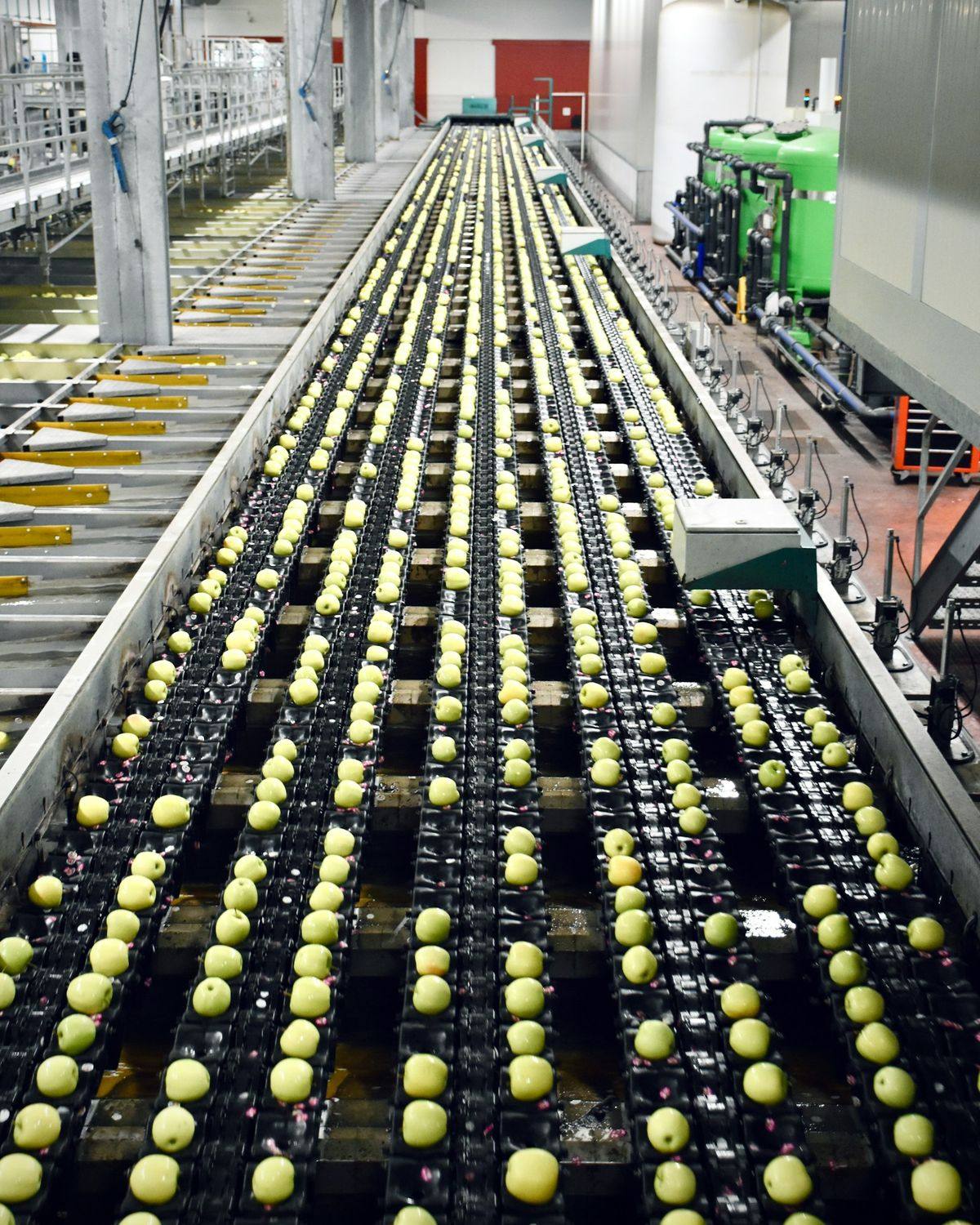
Green apples moving in rows along a long sorting line in a packing plant
Scale is the business; the label has to keep up with it.
  1. Quick-commerce grids and marketplaces put the pack on a phone screen the size of a thumbnail.

    It demandsPack hierarchies and listings that read at thumbnail size, with every declaration still online.

    SignalE-commerce listings must show the pack’s mandatory declarations under rule 6(10) of the Legal Metrology (Packaged Commodities) Rules, 2011.

  2. Front-of-pack nutrition warnings are moving from proposal to rule.

    It demandsPack systems with room designed in for a front-of-pack panel, and recipes reviewed before it lands.

    SignalThe FSSAI has proposed red front-of-pack warnings for foods high in fat, sugar or salt, and the Supreme Court has been reviewing their rollout.

  3. “Natural”, “fresh” and “real” now come with conditions attached.

    It demandsA claims library where every word on pack sits beside its condition and its evidence.

    SignalThe FSS (Advertising and Claims) Regulations, 2018 allow words such as natural, fresh, original, traditional, authentic, genuine and real only when set conditions are met.

  4. Advertising to children is watched as closely as the product.

    It demandsCampaigns for family products written to the children’s-advertising conditions from the brief.

    SignalThe CCPA’s 2022 guidelines bar advertisements aimed at children from claiming health or nutritional benefits without adequate scientific substantiation.

The rulebook

Every declaration is mandatory. Every claim needs a reason.

The food regulator’s labelling and claims regulations, the weights-and-measures rules, the advertising codes and the data law, read for a packaged-food portfolio. Your regulatory team keeps sign-off; we design so their review is faster.

Frameworks we build to

  • DPDP Act 2023 — Digital Personal Data Protection Act, 2023
  • WCAG 2.2 AA — Web Content Accessibility Guidelines
  • Core Web Vitals — Loading, interactivity and visual stability

Frameworks we design and build to — not a claim of certification.

Advertising & claims

Shapes most of the work

  1. Central Consumer Protection Authority

    CCPA misleading-ads guidelines, 2022

    Claims must be substantiated; advertisements aimed at children may not claim health or nutritional benefits without adequate scientific substantiation; surrogate advertising is prohibited.

    We designChildren’s and family briefs carry the conditions as checks, and brand-extension work is screened for surrogacy.

    CCPA · Guidelines for Prevention of Misleading Advertisements and Endorsements, 9 June 2022 Official text: CCPA misleading-ads guidelines, 2022

  2. Advertising Standards Council of India

    ASCI Code — food and beverages

    Nutrition and health benefits must be substantiated; advertising should not encourage excessive consumption, disparage good dietary practice or show food differently from what it is.

    We designFood styling, portion sizes and benefit lines are checked against the guideline before a shoot is booked.

    ASCI · Code and Guidelines for Advertising of Food and Beverages Official text: ASCI Code — food and beverages

Sector regulator

Shapes most of the work

  1. Food Safety and Standards Authority of India

    FSS (Labelling and Display) Regulations, 2020

    What every pre-packaged food must declare: name, ingredients, nutrition information, the veg or non-veg symbol, allergens, the FSSAI logo and licence number, net quantity, date marking and consumer-care details.

    We designPack templates reserve a governed panel for every declaration, fed from one master record per SKU.

    FSSAI · Labelling and Display Regulations, notified 17 November 2020 (compendium of September 2025) Official text: FSS (Labelling and Display) Regulations, 2020

  2. Food Safety and Standards Authority of India

    FSS (Advertising and Claims) Regulations, 2018

    Nutrition and health claims need substantiation, claims to prevent or cure disease are not allowed, and words such as natural, fresh and authentic may be used only when their conditions are met.

    We designEvery on-pack and in-ad claim is drawn from an approved library that holds its condition and its evidence.

    FSS (Advertising and Claims) Regulations, 2018 Official text: FSS (Advertising and Claims) Regulations, 2018

  3. Department of Consumer Affairs

    Legal Metrology (Packaged Commodities) Rules, 2011

    Retail sale price, net quantity, manufacturer and consumer-care details on every pack; e-commerce listings must show the same declarations.

    We designListing feeds publish only when every declaration is filled from the SKU master.

    LMPC Rules, 2011 · rule 6, including rule 6(10) for e-commerce

Personal data

Often shapes the work

  1. Ministry of Electronics and IT

    DPDP Act, 2023 and DPDP Rules, 2025

    Consent for each purpose in loyalty, contests and sampling; verifiable parental consent before processing a child’s data, and no targeted advertising directed at children.

    We designContest and loyalty journeys capture consent per purpose and keep children out of profiling by design.

    DPDP Act, 2023 · section 9 · DPDP Rules, 2025 (core obligations from 13 May 2027) Official text: DPDP Act, 2023 and DPDP Rules, 2025

Accessibility

Often shapes the work

  1. W3C

    WCAG 2.2 AA

    Brand sites, recipe hubs and D2C stores usable with a keyboard, a screen reader and zoom.

    We designProduct finders and nutrition tables are built as real, readable tables and controls.

    W3C · WCAG 2.2 Official text: WCAG 2.2 AA

Compiled 3 October 2026. Our reading of typical programmes, not legal advice. Rules change; your counsel confirms how each one applies to you.

Challenges

Where food & beverage loses customers and time.

What comes up first in most food & beverage conversations — outside, at the screen, and inside, in the operation.

Your customers

  1. Know what is in it

    Ingredients, allergens and nutrition that can be read in a second, on the pack and on the screen.

  2. Claims worth believing

    Words like natural or high-protein that mean what the shopper thinks they mean.

  3. There in ten minutes

    The right pack, price and picture on every delivery app and marketplace.

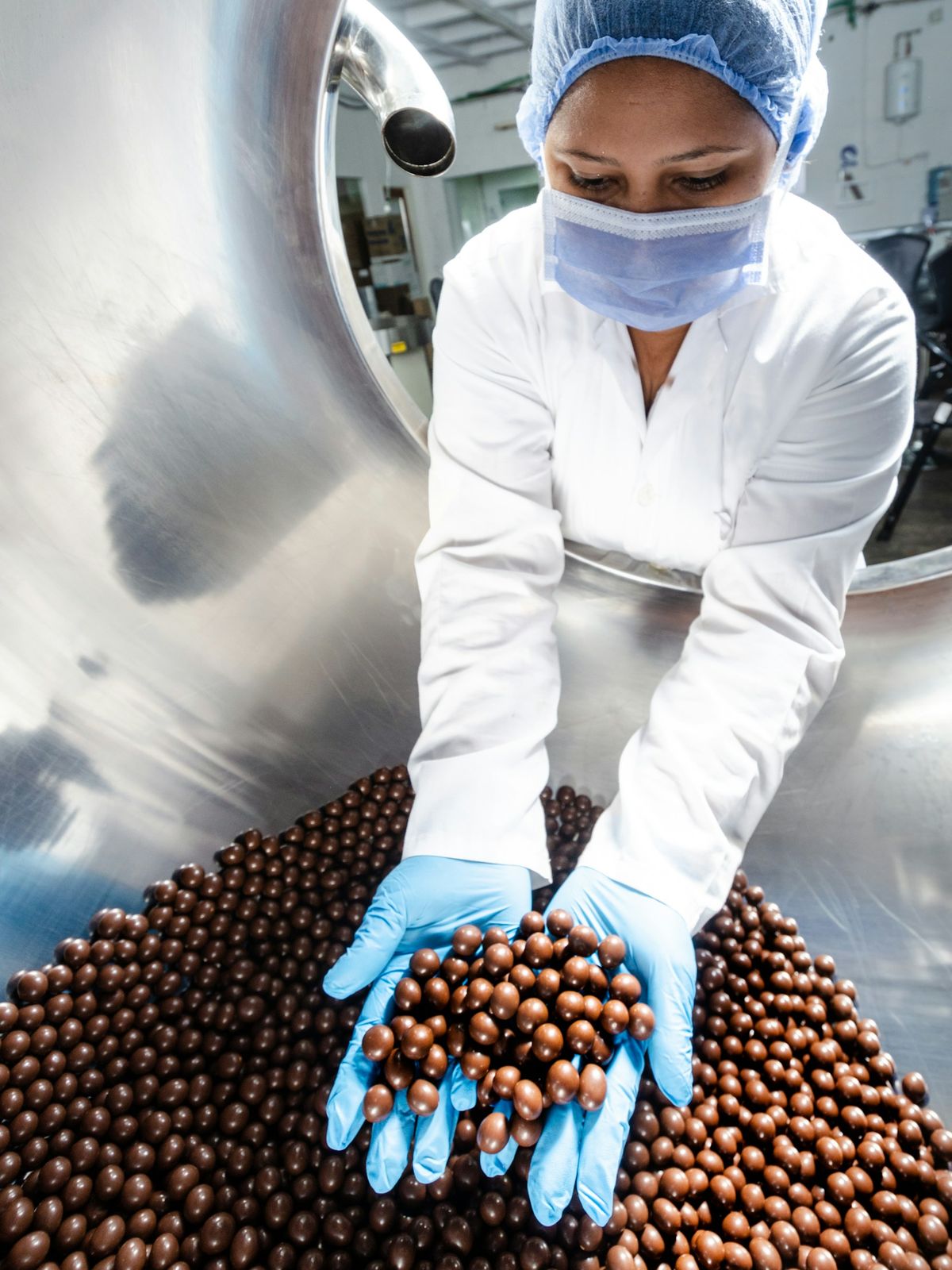
A worker in a hairnet, mask and blue gloves lifts a handful of coated sweets from a polishing pan
Quality is checked by hand before it is checked by the regulator.

Your operation

  1. Hundreds of SKUs, one set of rules

    Every variant, pack size and market carries its own declarations, and each change ripples.

  2. Claims review as the bottleneck

    Regulatory and legal review sets the pace of every pack, listing and campaign.

  3. Content for every retail screen

    Marketplaces, delivery apps and retail media each want their own images, copy and formats.

What we build

A pack system first, then the content and commerce around it.

The pack is the most regulated piece of media a food brand owns, so the brand system and the content line lead. Every line links to the capability that does the work.

Leads Core Supports Share of a typical programme, by role · illustrative
  1. 01

    Brand Design

    Leads

    Pack architecture and label systems that hold every declaration and still look like the brand at thumbnail size.

  2. Claims-safe campaigns, retail-media creative and content for every marketplace and delivery app.

  3. Fast D2C stores and structured product data that search engines and AI assistants can read.

  4. 04

    AI Design

    Core

    Listing copy and product imagery produced from approved data, with a claims check on every draft.

  5. Product data feeds, consented loyalty and sampling programmes on one customer record.

  6. Recipe hubs, product finders and subscription journeys tested with real shoppers.

Programmes

Where we usually start, and what follows.

Each programme is a real engagement shape: a package, a typical length and the number it moves. Lengths are typical, never promised — the first conversation sets yours.

The way in

Pack and listing diagnostic

We read a sample of packs and their online listings against the labelling, claims and weights-and-measures rules, then show where review stalls and where the risk sits.

Package
Sprint · Fixed fee
Typical length
2–3 weeks
It sets
First-time approval of packs and listings, as a baseline
  • Brand audit & diagnostic
  • Technical & code audit

What it hands over

  • A declarations gap register, pack by pack and listing by listing
  • A claims inventory with the evidence each claim needs
  • A plan for one SKU master that feeds packs and listings

Start here
  1. 02Milestone · 4–8 months

    Pack system and label architecture

    One pack system for every range and size, with a governed panel for every declaration and room designed in for front-of-pack labelling.

    MovesTime from brief to approved pack

    Services: Packaging design · Logo & identity system · Brand guidelines

    Enquire about Pack system and label architecture
  2. 03Project · 6–10 weeks

    Product data and listings for quick commerce

    Complete, structured product data and listing content that marketplaces, delivery apps and AI assistants can read and cite.

    MovesListing completeness across marketplaces

    Services: Content model & headless CMS · Dynamic creative & product feeds · AI search visibility (AEO & GEO)

    Enquire about Product data and listings for quick commerce
  3. 04Retainer · Ongoing

    Claims-checked content production with AI

    Campaign and retail-media assets produced from approved claims and brand rules, with a person approving every one.

    MovesShare of assets passing claims review first time

    Services: AI content studio set-up · Content production retainer · Brand check

    Enquire about Claims-checked content production with AI

How success is measured

The number we moveTime from brief to approved pack

  • Time from brief to approved pack
  • Share of packs and listings passing regulatory review first time
  • Listing completeness across marketplaces and delivery apps
  • Share of search and AI answers citing the brand correctly

AI, under the rules

AI writes listings from approved data, and never invents a claim.

Each use case runs inside a guardrail built from the labelling and claims rules, with a regulatory reviewer approving what matters and a log of what was produced.

Use case 01

Listing copy from the SKU master

Measured byListings approved without edits

Tested forOWASP LLM09 · Misinformation

agent / listing-copy-from-the-sku-master Guarded
  1. TaskDrafts marketplace and delivery-app listing copy from the approved product record and claims library.
  2. GuardrailRestricted words are blocked unless the SKU meets their condition; no health claim is written that the library does not hold.
  3. HumanA regulatory reviewer approves before a listing goes live.
  4. LogEach listing stores the SKU record and the claim IDs it was written from.

Ships only with its evaluation set, its guardrail and an owner

Use case 02

Artwork declaration check

Measured byDeclaration errors caught before print

Tested forOWASP LLM05 · Improper output handling

agent / artwork-declaration-check Guarded
  1. TaskReads pack artwork and compares every declaration with the SKU master before it goes to print.
  2. GuardrailIt can only flag; it never approves artwork.
  3. HumanPackaging and regulatory leads sign off each proof.
  4. LogEvery mismatch found, and how it was resolved.

Ships only with its evaluation set, its guardrail and an owner

Use case 03

Recipe and product assistant

Measured byAnswer accuracy on an agreed evaluation set

Tested forOWASP LLM01 · Prompt injection

agent / recipe-and-product-assistant Guarded
  1. TaskAnswers shopper questions about ingredients, allergens and recipes from approved content.
  2. GuardrailRefuses medical and diet-treatment questions and points to a professional; allergen answers quote the label.
  3. HumanThe consumer-care team reviews flagged conversations every day.
  4. LogQuestions, sources cited and refusals, without personal identifiers.

Ships only with its evaluation set, its guardrail and an owner

Work and insights

Case studies stay private until a client approves them.

No food & beverage client is named or described without written approval. Here is what we have written that bears on the industry.

A typical programme · composite

A packaged-snacks portfolio moved every range onto one pack system and one approved-claims library, so each new flavour ships with its declarations and claims already in place.

Anonymised and illustrative: the shape a programme takes, never a named client.

Questions

What brand, regulatory and e-commerce teams ask us first.

Something else on your mind? Ask us directly

Q.01Do you design packaging artwork?

Yes: pack architecture, master artwork and the system that adapts it across ranges and sizes. Print production stays with your converters; we hand over artwork they can run.

Q.02Can you tell us whether a claim is allowed?

We design and build to the FSSAI regulations and the advertising codes, and we prepare the evidence your regulatory team needs. The judgement on each claim, and the sign-off, stay with them.

Q.03Do you work with alcoholic-beverage brands?

On brand, packaging and owned experiences, within the advertising restrictions. We do not make surrogate campaigns that promote a liquor brand through another product.

Q.04How do you keep marketplace listings consistent?

From one product record: declarations, images and approved copy flow from it to every marketplace and delivery app, so a change is made once.

Let’s build what happens next.

Tell us what you’re building. We’ll answer straight.

Book a discovery call

Three ways to start

  1. 01About 2 minutes

    A quick question

    You get A reply from a lead, not a sales queue

  2. 02About 8 minutesMost useful

    A project brief

    You get Options and a first scope after one call

  3. 03About 15 minutes

    A formal RFQ or RFP

    You get Receipt confirmed and a named bid lead

Every engagement starts with a written scope and a quote agreed before work begins. How each package is priced