Energy & utilities

Renewables & climate tech. Clean energy is sold on numbers.

Every number is now checked.

Utility-scale developers, rooftop and distributed-solar companies, storage and charging providers, green-hydrogen ventures and carbon and climate services, selling to households, businesses and listed companies that must report. We build rooftop journeys from application to subsidy, project and investor communication, emissions data for BRSR, and green claims that hold up to the regulators.

The number we move
Enquiry-to-installation conversion
Where we work in renewables & climate tech
  • Solar & wind developers
  • Rooftop & distributed solar
  • Storage & EV charging
  • Green hydrogen
  • Carbon & climate services
Rules mapped
7 rules · 3 areas
Disciplines that lead
TechnologyProduct
Frameworks we build to
ISO 14001:2015 — Environmental management systemsISO/IEC 27001:2022 — Information security management systemsDPDP Act 2023 — Digital Personal Data Protection Act, 2023WCAG 2.2 AA — Web Content Accessibility GuidelinesCore Web Vitals — Loading, interactivity and visual stability
A wind turbine rising out of fog under a teal sky
Renewables & climate techClean energy is sold on numbers.

Where the rules biteMap of all forty-one industries

  • Claims Advertising & claims: Shapes most of the work
  • Regulator Sector regulator: Shapes most of the work
  • Payments Payments: Often shapes the work
  • Data Personal data: Often shapes the work
  • Security Security & incidents: Often shapes the work
  • Access Accessibility: Sometimes shapes the work
  • AI AI governance: Sometimes shapes the work

What is shifting

Clean energy went mass-market, and every number got checked.

Rooftop solar reached lakhs of homes, domestic cells became a rule, emissions got a price and green claims met their regulators. Each shift names what it demands, with a fact you can check.

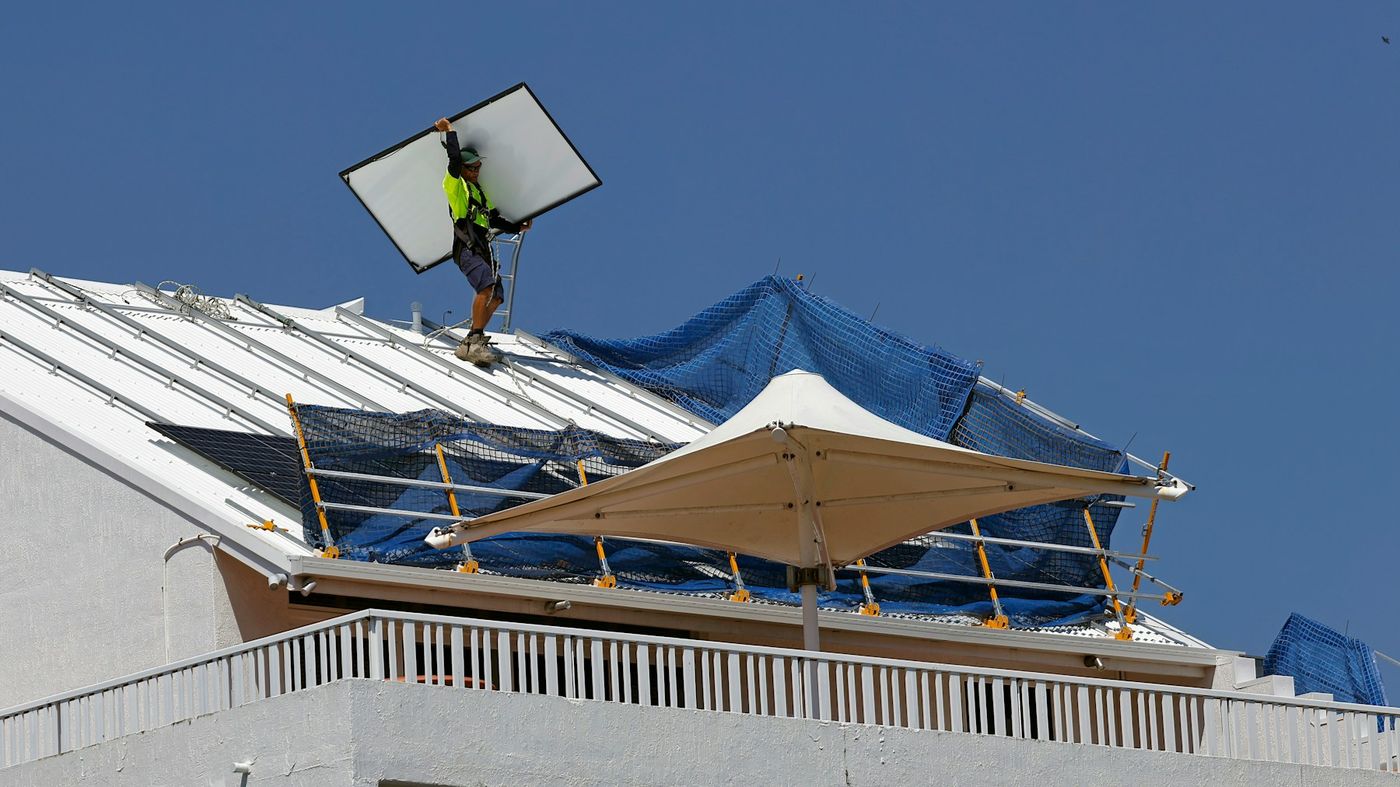
A worker carries a solar panel across a white metal roof under a blue sky
Rooftop solar became a household purchase.
  1. Rooftop solar became a mass-market purchase.

    It demandsJourneys from eligibility to subsidy and net metering that a household can finish without a broker.

    SignalPM Surya Ghar had installed 39,72,447 rooftop systems covering 48,02,717 households by 22 July 2026, the renewable energy ministry told Parliament.

  2. Domestic cells became a procurement rule.

    It demandsProposals and product pages that state which listed cells and modules a system uses.

    SignalOn 25 May 2026 the renewable energy ministry refused a blanket extension of the ALMM List-II rule for solar cells beyond 1 June 2026, offering case-by-case relief.

  3. India now prices emissions intensity in heavy industry.

    It demandsCredit, offset and reporting services that obligated entities and their buyers can audit.

    SignalBy January 2026, emission-intensity targets under the Carbon Credit Trading Scheme covered 490 obligated entities in eight sectors, the environment ministry said.

  4. Green claims need evidence now.

    It demandsClaims that say what they cover and link to their proof.

    SignalThe CCPA’s greenwashing guidelines of 15 October 2024 require specific environmental claims to rest on credible certification or reliable scientific evidence.

The rulebook

Subsidies, lists and claims, each with its own evidence.

The rooftop scheme, the approved cell list, the carbon market, BRSR Core and the green-claims rules, read for a renewables or climate business. Your counsel keeps sign-off.

Frameworks we build to

  • ISO 14001:2015 — Environmental management systems
  • ISO/IEC 27001:2022 — Information security management systems
  • DPDP Act 2023 — Digital Personal Data Protection Act, 2023
  • WCAG 2.2 AA — Web Content Accessibility Guidelines
  • Core Web Vitals — Loading, interactivity and visual stability

Frameworks we design and build to — not a claim of certification.

Advertising & claims

Shapes most of the work

  1. Central Consumer Protection Authority

    CCPA greenwashing guidelines, 2024

    Specific environmental claims rest on credible certification or reliable evidence; generic words need adequate qualifiers; aspirational claims such as future targets need a plan behind them.

    We designEvery green claim names what it covers and links to its evidence or plan.

    CCPA · Guidelines for Prevention and Regulation of Greenwashing or Misleading Environmental Claims, 15 October 2024 Official text: CCPA greenwashing guidelines, 2024

  2. Advertising Standards Council of India

    ASCI guidelines on environmental claims

    Absolute claims such as ‘eco-friendly’ need strong evidence and cannot be qualified away by a disclaimer, QR code or link; offsets that will not happen within two years must be disclosed.

    We design‘Net zero’, green-tariff and offset claims state their scope, timing and evidence on the face of the ad.

    ASCI · Guidelines for Advertisements Making Environmental/Green Claims, effective 15 February 2024 Official text: ASCI guidelines on environmental claims

Sector regulator

Shapes most of the work

  1. Ministry of New and Renewable Energy

    PM Surya Ghar: Muft Bijli Yojana

    Households apply and choose a vendor on the national portal; central assistance runs from ₹30,000 to ₹78,000 by consumption and capacity, with collateral-free loans at the repo rate plus 0.5%.

    We designJourneys mirror the portal’s steps and show the subsidy and loan a household qualifies for.

    MNRE · PM Surya Ghar: Muft Bijli Yojana (launched 13 February 2024) · statements of 12 February 2025 and 28 July 2026 Official text: PM Surya Ghar: Muft Bijli Yojana

  2. Ministry of New and Renewable Energy

    ALMM List-II for solar PV cells

    Projects commissioned from 1 June 2026 under the order use cells from the approved list; net-metering and open-access projects commissioned before then are exempt, and extensions are decided case by case.

    We designProposals and product pages name the listed cells and modules a system uses.

    MNRE · ALMM Order, 2019, as amended · statement of 25 May 2026 Official text: ALMM List-II for solar PV cells

  3. Ministry of Power · Ministry of Environment, Forest and Climate Change

    Carbon Credit Trading Scheme, 2023

    Obligated entities in eight sectors must meet emission-intensity targets; those that beat them earn tradable carbon credit certificates, alongside a voluntary offset mechanism.

    We designCredit, offset and reporting services show the method, the verification and the registry record.

    CCTS, 2023 · emission-intensity targets of October 2025 and 13 January 2026 Official text: Carbon Credit Trading Scheme, 2023

  4. Securities and Exchange Board of India

    SEBI BRSR Core — assessment or assurance

    Listed companies report BRSR Core indicators with assessment or assurance, the top 1,000 by market value from FY 2026–27, and may report value-chain ESG data voluntarily.

    We designEnergy and emissions data reaches business customers in the shape their BRSR asks for, with its evidence.

    SEBI circular SEBI/HO/CFD/CFD-PoD-1/P/CIR/2025/42, 28 March 2025

Personal data

Often shapes the work

  1. Ministry of Electronics and IT

    DPDP Act, 2023 and DPDP Rules, 2025

    Applications hold identity, bank, roof and consumption details: used for the scheme and the installation, with consent for anything else, from 13 May 2027.

    We designApplications collect only what each step needs, and generation data is shared only as the customer agreed.

    DPDP Act, 2023 · DPDP Rules, 2025 (core obligations from 13 May 2027) Official text: DPDP Act, 2023 and DPDP Rules, 2025

Compiled 3 October 2026. Our reading of typical programmes, not legal advice. Rules change; your counsel confirms how each one applies to you.

Challenges

What gets in the way in renewables & climate tech.

The problems that surface in nearly every renewables & climate tech programme: the ones customers feel, and the ones teams carry.

Your customers

  1. Is rooftop solar right for my home?

    Eligibility, savings, subsidy and loan explained honestly before a site visit.

  2. From application to credit

    Application, inspection, net meter and subsidy tracked in one place.

  3. Data I can report

    Energy and emissions data that business customers can put straight into their BRSR.

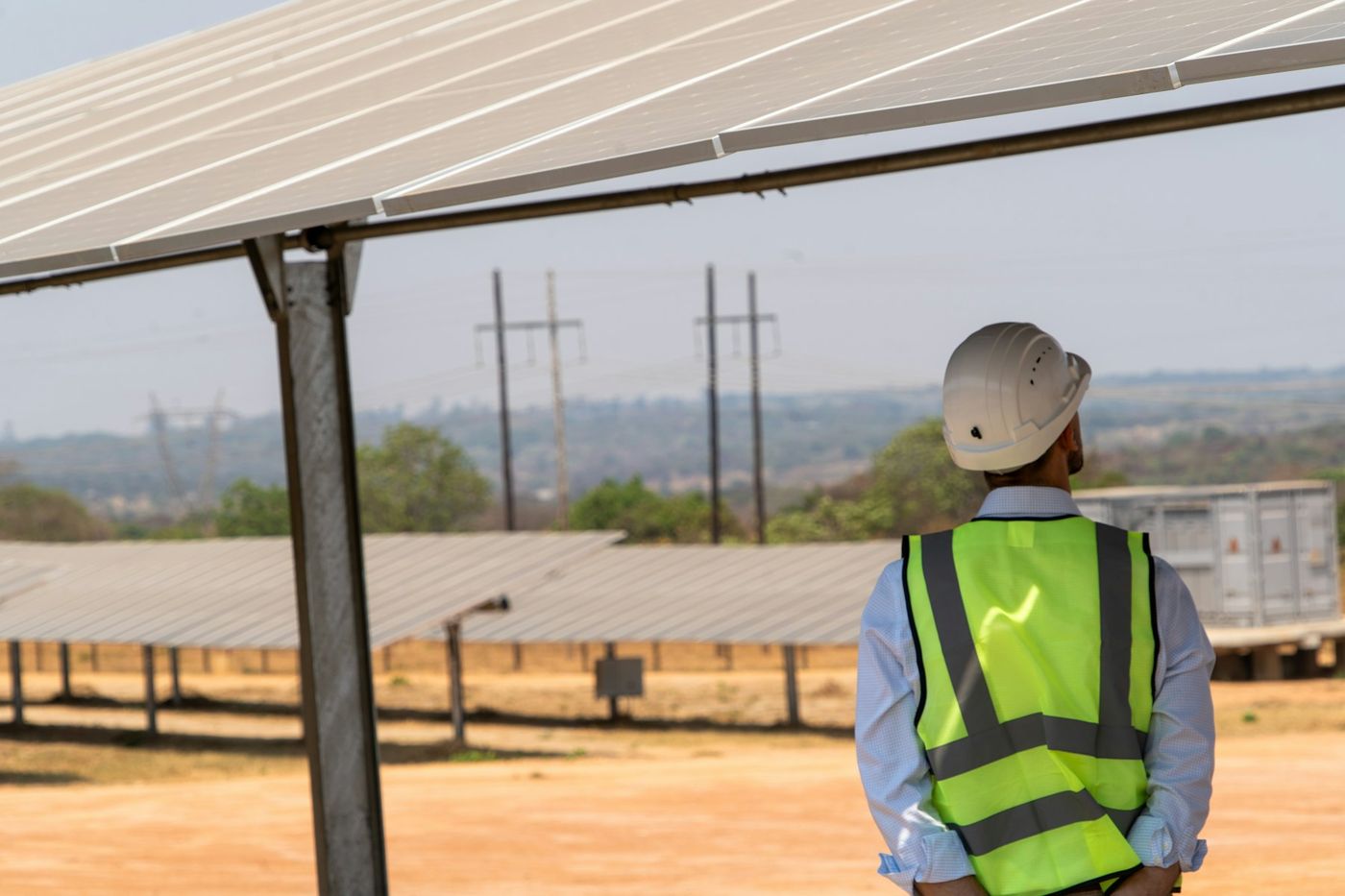
An engineer in a hard hat and high-visibility vest looks across rows of solar panels
Every installation has a list, a scheme and a subsidy behind it.

Your operation

  1. A journey in many hands

    Vendors, channel partners and distribution companies each own a step.

  2. Claims that stand up

    Savings, ‘net zero’ and ‘green’ claims tied to evidence.

  3. Policy that moves

    Subsidies, procurement lists and grid rules change between proposal and commissioning.

What we build

What we build for renewables & climate tech, discipline by discipline.

A typical programme here draws on each discipline in this mix. Every line names what it builds for the industry and links to the capability that does the work.

Leads Core Supports Share of a typical programme, by role · illustrative
  1. Platforms for applications, installations and generation data, integrated with portals and meters.

  2. Rooftop journeys from eligibility to subsidy credit, and dashboards for owners and offtakers.

  3. 03

    Brand Design

    Core

    Brands for developers and climate ventures that investors and households both trust.

  4. Campaigns and explainers that make savings and subsidies clear, with every claim checked.

  5. Lead capture and nurture from enquiry to site visit, shared with channel partners.

  6. 06

    AI Design

    Supports

    Assistants that explain savings, subsidy steps and generation data from the customer’s own records.

Programmes

Follow the customer first, then fix the claims.

The way in follows households and businesses from enquiry to commissioning, and tests every claim against its evidence. Lengths are typical, never promised.

The way in

Journey and claims audit

We follow a household or a business from first enquiry to subsidy credit or commissioning, and test every savings and green claim against its evidence.

Package
Sprint · Fixed fee
Typical length
2–3 weeks
It sets
Enquiry-to-installation conversion, as a baseline
  • Product experience audit
  • Brand check

What it hands over

  • A journey map with the drop-offs and delays marked
  • A claims register with evidence for each claim, or a rewrite
  • A status model customers can follow from end to end
Start here
  1. 02Milestone · 4–9 months

    Rooftop customer and partner platform

    Eligibility, proposals, applications, installation and subsidy tracking for customers and channel partners in one place.

    MovesDays from application to subsidy credited

    Services: End-to-end UX & UI design · Web or mobile app · System integration

    Enquire about Rooftop customer and partner platform
  2. 03Project · 8–12 weeks

    Emissions and BRSR data experience

    Generation, energy and emissions data delivered to business customers in the shape their BRSR reporting needs, with the evidence.

    MovesCustomer data delivered on time for BRSR

    Services: Data platform & BI dashboards · End-to-end UX & UI design

    Enquire about Emissions and BRSR data experience
  3. 04Retainer · Ongoing, 6-month minimum

    Campaigns with checked claims

    Seasonal and always-on campaigns where every savings and environmental claim is checked before it runs.

    MovesCost per qualified enquiry

    Services: Paid media management · Performance creative studio · Content production retainer

    Enquire about Campaigns with checked claims

How success is measured

The number we moveEnquiry-to-installation conversion

  • Enquiry-to-installation conversion
  • Days from application to subsidy credited
  • Green claims with evidence attached
  • Customer data delivered on time for BRSR

AI, under the rules

AI shows its assumptions, engineers sign the proposal.

Each use case shows ranges, not promises, has an evaluation set and a log, and no model guarantees savings or approvals.

Use case 01

Savings explainer

Measured byProposals changed after the site survey

Tested forOWASP LLM09 · Misinformation

agent / savings-explainer Guarded
  1. TaskExplains likely generation, savings and subsidy for a home from its bills and roof details.
  2. GuardrailShows its assumptions and ranges, and never guarantees savings, subsidy or approval.
  3. HumanA design engineer confirms every proposal after a site survey.
  4. LogInputs, assumptions and the estimate shown.

Ships only with its evaluation set, its guardrail and an owner

Use case 02

Application status assistant

Measured byStatus calls per hundred applications

Tested forOWASP LLM01 · Prompt injection

agent / application-status-assistant Guarded
  1. TaskAnswers ‘where is my application?’ from portal, inspection and net-metering records.
  2. GuardrailReports recorded status only, treats free text in tickets as untrusted, and never predicts a subsidy date.
  3. HumanCustomer-care staff handle disputes and escalations.
  4. LogQuestions and the statuses shown.

Ships only with its evaluation set, its guardrail and an owner

Use case 03

Green-claims checker

Measured byGreen claims with evidence attached

Tested forOWASP LLM05 · Improper output handling

agent / green-claims-checker Guarded
  1. TaskChecks ads, proposals and reports for environmental and savings claims that lack scope or evidence.
  2. GuardrailFlags only: it cannot approve copy.
  3. HumanThe compliance lead approves every claim.
  4. LogClaims flagged, evidence and decisions.

Ships only with its evaluation set, its guardrail and an owner

Work and insights

Published work follows client approval.

We publish renewables & climate tech projects only once a client signs off the write-up. Meanwhile, here is the reading that applies.

A typical programme · composite

A rooftop-solar company rebuilt its journey from eligibility check to subsidy credit around the national portal’s steps, so households see where their application stands without calling the installer.

Anonymised and illustrative: the shape a programme takes, never a named client.

Questions

What growth, product and sustainability leads ask us first.

Something else on your mind? Ask us directly

Q.01Can you build our PM Surya Ghar customer journey?

Yes: eligibility, savings, subsidy and loan explained before a visit, and the application tracked from the national portal to subsidy credit. We design around the portal’s steps; the portal itself is run by the government.

Q.02How do we make ‘green’ claims safely?

Say what the claim covers, back it with certification or reliable evidence, and disclose offsets and timelines on the face of the ad, as the CCPA and ASCI guidelines expect. We keep a claims register with the evidence for each.

Q.03Can you help our customers with BRSR data?

We design how generation and emissions data reaches business customers in the shape their BRSR Core reporting needs, with the evidence attached. The assessment or assurance itself is done by independent providers.

Q.04Do you work with utility-scale developers?

Yes: investor and community communication, project sites, procurement documentation and operations dashboards, as well as rooftop and distributed-energy businesses.

Let’s build what happens next.

Tell us what you’re building. We’ll answer straight.

Book a discovery call

Three ways to start

  1. 01About 2 minutes

    A quick question

    You get A reply from a lead, not a sales queue

  2. 02About 8 minutesMost useful

    A project brief

    You get Options and a first scope after one call

  3. 03About 15 minutes

    A formal RFQ or RFP

    You get Receipt confirmed and a named bid lead

Every engagement starts with a written scope and a quote agreed before work begins. How each package is priced