Industry, mobility & logistics

Logistics & supply chain. Visibility is the product.

Every scan is a promise kept or broken.

Express and courier firms, freight forwarders, warehouse and 3PL operators, last-mile platforms and supply-chain software companies, judged by customers on the tracking page and by riders on the app. We build tracking and exception journeys, rider and partner apps for the new gig-worker rules, and AI that explains delays without inventing them.

The number we move
Deliveries completed at first attempt
Where we work in logistics & supply chain
  • Express & courier
  • Freight forwarding & shipping
  • Warehousing & 3PL
  • Last-mile delivery
  • Supply-chain software
Rules mapped
8 rules · 6 areas
Disciplines that lead
TechnologyProduct
Frameworks we build to
DPDP Act 2023 — Digital Personal Data Protection Act, 2023CERT-In Directions 2022 — Cyber incident reporting directionsISO/IEC 27001:2022 — Information security management systemsWCAG 2.2 AA — Web Content Accessibility GuidelinesCore Web Vitals — Loading, interactivity and visual stability
Container cranes line a harbour at sunset, reflected in the water
Logistics & supply chainEvery container is a promise with a date on it.

Where the rules biteMap of all forty-one industries

  • Claims Advertising & claims: Often shapes the work
  • Regulator Sector regulator: Shapes most of the work
  • Payments Payments: Often shapes the work
  • Data Personal data: Shapes most of the work
  • Security Security & incidents: Often shapes the work
  • Access Accessibility: Sometimes shapes the work
  • AI AI governance: Often shapes the work

What is shifting

Workers, data and paperwork all moved onto the platform.

Gig workers entered labour law, public data rails arrived, paperwork went digital and emissions joined the tender. Each shift names what it demands, with a fact you can check.

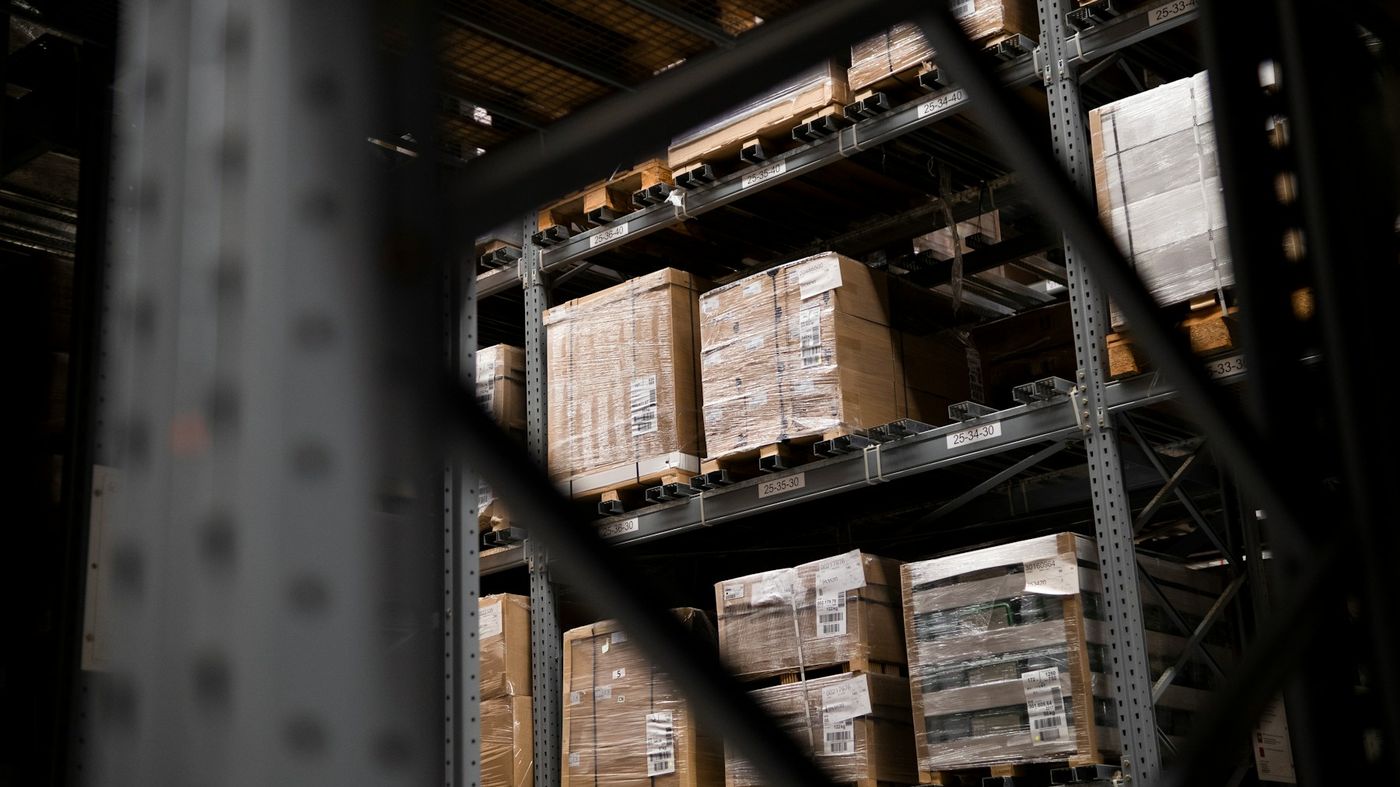
Wrapped pallets of boxes on tall warehouse racking, seen through a steel frame
Visibility starts on the shelf.
  1. Gig and platform workers are inside labour law now.

    It demandsRider and partner apps that register, inform and protect workers as the rules require.

    SignalThe Code on Social Security took effect on 21 November 2025; its rules of 8 May 2026 make aggregators register new gig workers on a central portal in real time or daily.

  2. Shippers expect public data rails in the product.

    It demandsTracking and documents that plug into national logistics data instead of re-keying it.

    SignalULIP has connected more than 30 government systems through APIs and handled over 160 crore transactions by August 2025, the commerce ministry reported.

  3. Paperwork is digital, and it expires.

    It demandsShipment systems that create, extend and close documents within their limits.

    SignalSince 1 January 2025 the e-way bill system refuses bills for documents more than 180 days old, and extensions beyond 360 days.

  4. Emissions per shipment are joining the tender.

    It demandsEmissions estimates per lane and shipment, calculated on a recognised method.

    SignalThe Transportation Emissions Measurement Tool, built by IIM Bangalore under the National Logistics Policy, is aligned with ISO 14083, DPIIT reported in September 2025.

The rulebook

Every shipment has a document, every rider has rights.

The social-security code and its 2026 rules, the e-way bill system, the data law, CERT-In and the EU platform-work rules, read for a logistics business. Your counsel keeps sign-off.

Frameworks we build to

  • DPDP Act 2023 — Digital Personal Data Protection Act, 2023
  • CERT-In Directions 2022 — Cyber incident reporting directions
  • ISO/IEC 27001:2022 — Information security management systems
  • WCAG 2.2 AA — Web Content Accessibility Guidelines
  • Core Web Vitals — Loading, interactivity and visual stability

Frameworks we design and build to — not a claim of certification.

Advertising & claims

Often shapes the work

  1. Central Consumer Protection Authority

    CCPA dark-patterns guidelines, 2023

    Delivery and convenience fees revealed only at checkout are drip pricing, and countdowns that are not true are false urgency, two of the 13 specified dark patterns.

    We designFees, cut-off times and delivery promises are shown in full before payment.

    CCPA · Guidelines for Prevention and Regulation of Dark Patterns, 30 November 2023 Official text: CCPA dark-patterns guidelines, 2023

Sector regulator

Shapes most of the work

  1. Ministry of Labour and Employment

    Code on Social Security, 2020 — gig and platform workers

    In force since 21 November 2025: gig work, platform work and aggregators are defined in law, and aggregators contribute 1–2% of annual turnover, capped at 5% of what they pay gig and platform workers, towards their social security.

    We designPayout and earnings records are structured so contributions can be calculated, reported and shown to workers.

    Code on Social Security, 2020 · section 114 · in force 21 November 2025 Official text: Code on Social Security, 2020 — gig and platform workers

  2. Ministry of Labour and Employment

    Social Security (Central) Rules, 2026 — aggregators

    Aggregators share existing workers’ details through an API within 45 days of the rules starting, register every new gig or platform worker on the central portal in real time or daily, and report exits the same way.

    We designOnboarding and offboarding flows feed the government portal automatically, with an audit trail.

    Social Security (Central) Rules, 2026 · G.S.R. 344(E), 8 May 2026

  3. GST Council · CBIC · NIC e-way bill system

    E-way bills under the GST rules

    Consignments worth more than ₹50,000 move with an e-way bill generated before the journey; since 1 January 2025 bills cannot be generated for documents older than 180 days or extended beyond 360 days.

    We designShipment systems create and extend e-way bills within their limits and warn the team before one expires.

    CGST Rules, 2017 · rule 138 · e-way bill system validations from 1 January 2025 Official text: E-way bills under the GST rules

Personal data

Shapes most of the work

  1. Ministry of Electronics and IT

    DPDP Act, 2023 and DPDP Rules, 2025

    Addresses, phone numbers, locations and delivery photos are personal data: used to deliver, with consent for anything else, kept safe and reported if breached, from 13 May 2027.

    We designMasked phone numbers, short retention for delivery photos, and location used only while the trip lasts.

    DPDP Act, 2023 · DPDP Rules, 2025 (core obligations from 13 May 2027) Official text: DPDP Act, 2023 and DPDP Rules, 2025

Security & incidents

Often shapes the work

  1. Indian Computer Emergency Response Team

    CERT-In Directions, 2022

    Report listed cyber incidents within six hours of noticing them, including attacks on IoT devices, and keep logs of all ICT systems for a rolling 180 days within India.

    We designTracking platforms, handheld scanners and rider apps are logged and covered by the incident runbook.

    CERT-In · Directions under section 70B(6) of the IT Act, 28 April 2022 Official text: CERT-In Directions, 2022

Accessibility

Sometimes shapes the work

  1. W3C

    WCAG 2.2 AA

    Tracking pages, booking forms and rider apps usable with a keyboard, a screen reader and large text.

    We designStatus, delivery windows and proof of delivery are text, not images, and every control has a label.

    W3C · WCAG 2.2 Official text: WCAG 2.2 AA

AI governance

Often shapes the work

  1. European Union

    EU Platform Work Directive

    For platforms working in the EU: workers are told how automated systems monitor and allocate them, a person takes any decision to restrict, suspend or end an account, and workers can ask for a human review; Member States must apply it by 2 December 2026.

    We designAllocation and rating decisions are explained in the rider app, with a human review path.

    Directive (EU) 2024/2831 · Articles 9–11 and 29 Official text: EU Platform Work Directive

Compiled 3 October 2026. Our reading of typical programmes, not legal advice. Rules change; your counsel confirms how each one applies to you.

Challenges

What gets in the way in logistics & supply chain.

The problems that surface in nearly every logistics & supply chain programme: the ones customers feel, and the ones teams carry.

Your customers

  1. Where is it, really?

    Tracking that shows the next step and the reason for a delay, not just the last scan.

  2. A delivery that fits my day

    Slots, reschedules and safe places chosen without a phone call.

  3. Exceptions without the chase

    Damage, returns and claims raised and tracked in a few taps.

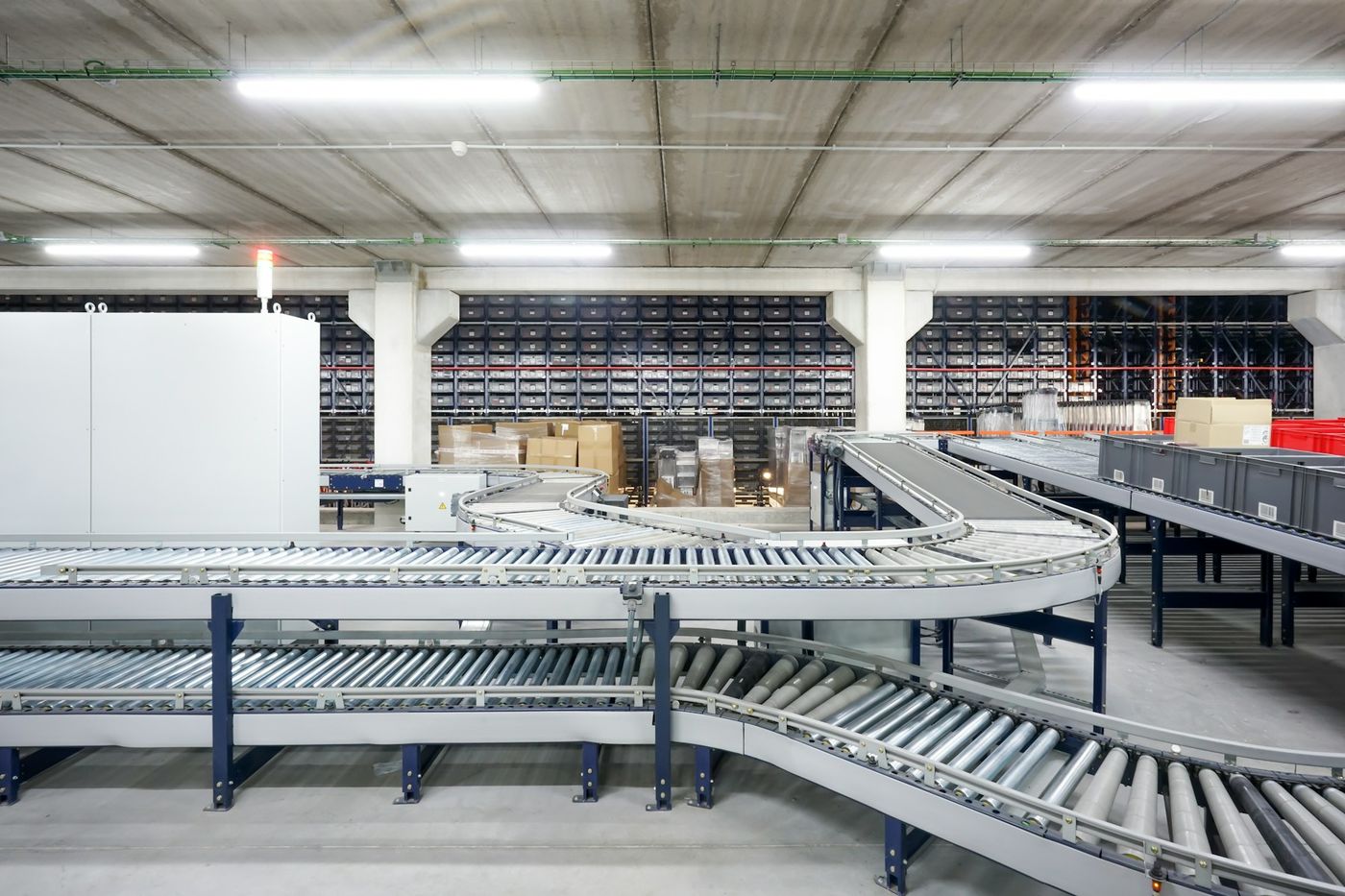
Curved roller conveyors run through an empty, brightly lit warehouse
Every scan is a moment a customer can see.

Your operation

  1. Riders and partners at scale

    Onboarding, registration and payouts for a workforce that changes every week.

  2. Data from many hands

    Carriers, hubs and marketplaces each scan differently.

  3. Paper rules at digital speed

    E-way bills, customs documents and proof of delivery that keep up with the parcel.

What we build

What we build for logistics & supply chain, discipline by discipline.

A typical programme here draws on each discipline in this mix. Every line names what it builds for the industry and links to the capability that does the work.

Leads Core Supports Share of a typical programme, by role · illustrative
  1. Integrations with carriers, hubs, ULIP and the e-way bill system, and the platforms behind tracking.

  2. Tracking, rescheduling and exception journeys for customers, and rider apps designed with riders.

  3. 03

    AI Design

    Core

    Assistants that explain delays from live scan data and help riders with the app.

  4. Proactive delivery messaging and B2B account journeys on one consented record.

  5. 05

    Brand Design

    Supports

    A carrier brand that reads as reliable on the van, the app and the tracking page.

  6. Shipper-facing content and campaigns for new lanes, services and service levels.

Programmes

Map the exceptions first, then rebuild the tracking.

The way in follows shipments from booking to proof of delivery and shows which calls the data could have prevented. Lengths are typical, never promised.

The way in

Tracking and exception audit

We follow shipments from booking to proof of delivery and rank where customers call, why, and what the data already knew.

Package
Sprint · Fixed fee
Typical length
2–3 weeks
It sets
Where-is-my-order contacts per thousand shipments, as a baseline
  • Product experience audit
  • Technical & code audit

What it hands over

  • An exception map with the message each case needs
  • A contact-reason baseline showing what can resolve itself
  • A data-quality list by carrier and hub

Start here
  1. 02Milestone · 4–9 months

    Tracking and delivery experience

    Tracking, slots, reschedules and claims rebuilt as one journey, integrated with the systems behind each scan.

    MovesDeliveries completed at first attempt

    Services: End-to-end UX & UI design · Web or mobile app · System integration

    Enquire about Tracking and delivery experience
  2. 03Project · 8–12 weeks

    Rider and partner app for the 2026 rules

    Onboarding, portal registration, earnings and exit flows designed with riders and built for the Social Security (Central) Rules.

    MovesRider and partner onboarding time

    Services: User research & usability testing · End-to-end UX & UI design · System integration

    Enquire about Rider and partner app for the 2026 rules
  3. 04Project · 6–10 weeks

    Delay-explanation assistant

    An assistant that tells customers what is happening and what comes next, from live scan and exception data.

    MovesWhere-is-my-order contacts per thousand shipments

    Services: AI knowledge assistant · AI assistant experience design

    Enquire about Delay-explanation assistant

How success is measured

The number we moveDeliveries completed at first attempt

  • Deliveries completed at first attempt
  • Where-is-my-order contacts per thousand shipments
  • Exceptions communicated before the customer asks
  • Rider and partner onboarding time

AI, under the rules

AI explains the delay, people decide about the rider.

Each use case works only from recorded events, has an evaluation set and a log, and no model decides a rider’s account or a customer’s claim.

Use case 01

Delay explainer

Measured byWhere-is-my-order contacts per thousand shipments

Tested forOWASP LLM09 · Misinformation

agent / delay-explainer Guarded
  1. TaskExplains a shipment’s status, the reason for a delay and the next step from scan and exception data.
  2. GuardrailUses only recorded events and never promises a delivery time the system has not calculated.
  3. HumanCustomer-care leads handle claims and escalations.
  4. LogQuestions, events used and answers.

Ships only with its evaluation set, its guardrail and an owner

Use case 02

Document checker

Measured byShipments held for document errors

Tested forOWASP LLM05 · Improper output handling

agent / document-checker Guarded
  1. TaskChecks invoices, e-way bills and delivery documents for missing or mismatched fields before dispatch.
  2. GuardrailFlags only: it cannot generate, cancel or extend an e-way bill.
  3. HumanThe dispatch lead fixes and releases each shipment.
  4. LogChecks run, flags raised and fixes made.

Ships only with its evaluation set, its guardrail and an owner

Use case 03

Rider support assistant

Measured byRider queries resolved without a call

Tested forOWASP LLM02 · Sensitive information disclosure

agent / rider-support-assistant Guarded
  1. TaskAnswers riders’ questions about the app, payouts and procedures, in their own language.
  2. GuardrailTakes no decision on a rider’s account; disputes and suspensions go to a person.
  3. HumanPartner-support staff decide every dispute.
  4. LogQuestions, answers and hand-offs.

Ships only with its evaluation set, its guardrail and an owner

Work and insights

Published work follows client approval.

We publish logistics & supply chain projects only once a client signs off the write-up. Meanwhile, here is the reading that applies.

A typical programme · composite

An express carrier rebuilt its tracking page around the next step and the reason for each delay, fed by hub scans, so customers see the same exception the operations team does.

Anonymised and illustrative: the shape a programme takes, never a named client.

Related reading

Nothing published on logistics & supply chain yet. Ask us what we are seeing in the industry.

Ask us

Questions

What operations, product and partner leads ask us first.

Something else on your mind? Ask us directly

Q.01Do the new labour rules apply to our delivery partners?

If you are an aggregator engaging gig or platform workers, the Code on Social Security and its 2026 central rules apply: contributions, registration on the government portal and exit reporting. We design the app and the data flows; your counsel confirms how each duty applies to your model.

Q.02Can you connect our systems to ULIP and the e-way bill system?

Yes, through their published APIs and under the access agreements each requires, so tracking and documents use public data instead of re-keying it.

Q.03How do you reduce ‘where is my order’ calls?

By showing the next step and the reason for a delay before the customer asks, from scans you already have. The way-in audit measures which calls can disappear and which need a person.

Q.04Will AI decide which rider gets which job?

Allocation is your operations system’s job. Where AI supports it, decisions about a rider’s account stay with a person, and riders are told how automated systems affect them, as the EU’s Platform Work Directive requires of platforms there.

Let’s build what happens next.

Tell us what you’re building. We’ll answer straight.

Book a discovery call

Three ways to start

  1. 01About 2 minutes

    A quick question

    You get A reply from a lead, not a sales queue

  2. 02About 8 minutesMost useful

    A project brief

    You get Options and a first scope after one call

  3. 03About 15 minutes

    A formal RFQ or RFP

    You get Receipt confirmed and a named bid lead

Every engagement starts with a written scope and a quote agreed before work begins. How each package is priced