
Film, music & live events. Audiences buy a feeling.
Certificates, captions and AI labels now travel with every frame.
Studios, labels, artists, promoters, venues and streaming services, where a launch lives or dies in a week and every frame now carries a certificate, a caption file or a label. We design release campaigns, ticketing and fan journeys, accessible viewing and the rights-aware content systems behind them, with AI used openly and with consent.
WCAG 2.2 AA — Web Content Accessibility GuidelinesDPDP Act 2023 — Digital Personal Data Protection Act, 2023PCI DSS v4.0.1 — Payment Card Industry Data Security StandardEU AI Act — Artificial Intelligence Act (EU) 2024/1689Core Web Vitals — Loading, interactivity and visual stability
Film, music & live eventsA launch lives or dies in a week.
RegulatorSector regulator: Shapes most of the work
PaymentsPayments: Often shapes the work
DataPersonal data: Often shapes the work
SecuritySecurity & incidents: Sometimes shapes the work
AccessAccessibility: Shapes most of the work
AIAI governance: Shapes most of the work
What is shifting
Every frame carries a label now, and every screen a caption.
Films certified for cinemas must ship with captions and audio description, AI-made media must be labelled on platforms, and ticket pricing is watched for dark patterns. Each shift names what it demands, with a fact you can check.
Voices can now be synthesised; consent cannot.
01
Accessibility became a condition of release.
It demandsCaptions and audio description produced with every cut, and promoted with the film.
SignalUnder the I&B Ministry’s guidelines of 15 March 2024, feature films certified for cinemas, trailers included, must carry captions and audio description from March 2026.
02
AI-made audio and video now has to say so.
It demandsLabels and provenance metadata built into the production and distribution pipeline.
SignalIT Rules amendments notified on 10 February 2026 require platforms to label synthetically generated audio and video and keep permanent provenance metadata.
03
Age ratings got finer for film and streaming.
It demandsTrailers, listings and parental controls that carry the right rating everywhere.
SignalThe Cinematograph (Amendment) Act, 2023 split the UA certificate into UA 7+, UA 13+ and UA 16+, matching the ratings streaming services already use.
04
Ticket pricing is watched as closely as the show.
It demandsFees shown from the first screen, and urgency only when seats really are scarce.
SignalThe CCPA’s 2023 dark-pattern guidelines name drip pricing and false urgency, and in June 2025 it asked platforms to self-audit within three months.
The rulebook
Certified, captioned, labelled and priced in full.
Film certification and accessibility rules, the streaming code of ethics, the AI-labelling rules, copyright and the consumer rules on ticketing, read for a typical programme. Your legal and rights teams keep sign-off.
Frameworks we build to
WCAG 2.2 AA — Web Content Accessibility Guidelines
DPDP Act 2023 — Digital Personal Data Protection Act, 2023
PCI DSS v4.0.1 — Payment Card Industry Data Security Standard
EU AI Act — Artificial Intelligence Act (EU) 2024/1689
Core Web Vitals — Loading, interactivity and visual stability
Frameworks we design and build to — not a claim of certification.
Advertising & claims
Often shapes the work
Advertising Standards Council of India
ASCI guidelines on synthetic content in advertising
Realistic AI-made content is labelled wherever it materially influences the decision; a replicated face or voice is labelled even with consent, and a likeness used without consent is prohibited.
We designCampaign assets record where AI was used, with consent for every likeness.
Drip pricing — booking or convenience fees revealed late — false urgency and basket sneaking are named unfair practices, in ticketing as anywhere else.
We designEvery fee shows on the first screen, and scarcity messages reflect real availability.
Films are certified U, UA 7+, UA 13+, UA 16+, A or S; certificates no longer expire, and unauthorised recording or exhibition of a film carries up to three years in prison and fines up to 5% of audited production cost.
We designRatings travel with every trailer, listing and poster from the release record.
Ministry of Electronics and IT · Ministry of Information and Broadcasting
IT Rules, 2021 — Code of Ethics for streaming
Streaming services classify every title U, U/A 7+, U/A 13+, U/A 16+ or A, show the rating and descriptor before it plays, offer parental locks from U/A 13+ and verify age for A.
We designRatings, descriptors and parental locks are designed into the player and the catalogue.
Music, footage, scripts and performances are protected, performers’ rights included, so every asset needs a cleared licence for each use and territory.
We designRights, territories and expiry dates travel with each asset in the library.
Copyright Act, 1957
Personal data
Often shapes the work
Ministry of Electronics and IT
DPDP Act, 2023 and DPDP Rules, 2025
Fan, ticket-buyer and subscriber data collected per purpose with consent, withdrawal as easy as consent, and breach reporting to the Data Protection Board.
We designPre-sale and fan-club sign-ups ask only for what each programme uses, with consent logged per purpose.
Feature films certified for theatrical release, trailers included, provide closed or open captions and audio description; cinemas provide the equipment, at two to five devices per 200 seats.
We designCaption and audio-description files are produced with every cut and promoted with the release.
IT Rules amendment on synthetically generated information
Platforms label realistic AI-generated or altered audio and video prominently, embed permanent provenance metadata, and remove unlawful content within three hours of a lawful order.
We designSynthetic tracks and shots carry labels and provenance metadata from the edit suite onward.
Compiled 3 October 2026. Our reading of typical programmes, not legal advice. Rules change; your counsel confirms how each one applies to you.
Challenges
Where film, music & live events loses customers and time.
What comes up first in most film, music & live events conversations — outside, at the screen, and inside, in the operation.
AYour customers
A1
A ticket without surprises
Every fee on the first screen, real seat maps and safe transfers.
A2
Watching their own way
Captions, audio description and languages offered without asking twice.
A3
Closer to the artists they love
Fan clubs, pre-sales and merchandise that feel personal, not spammy.
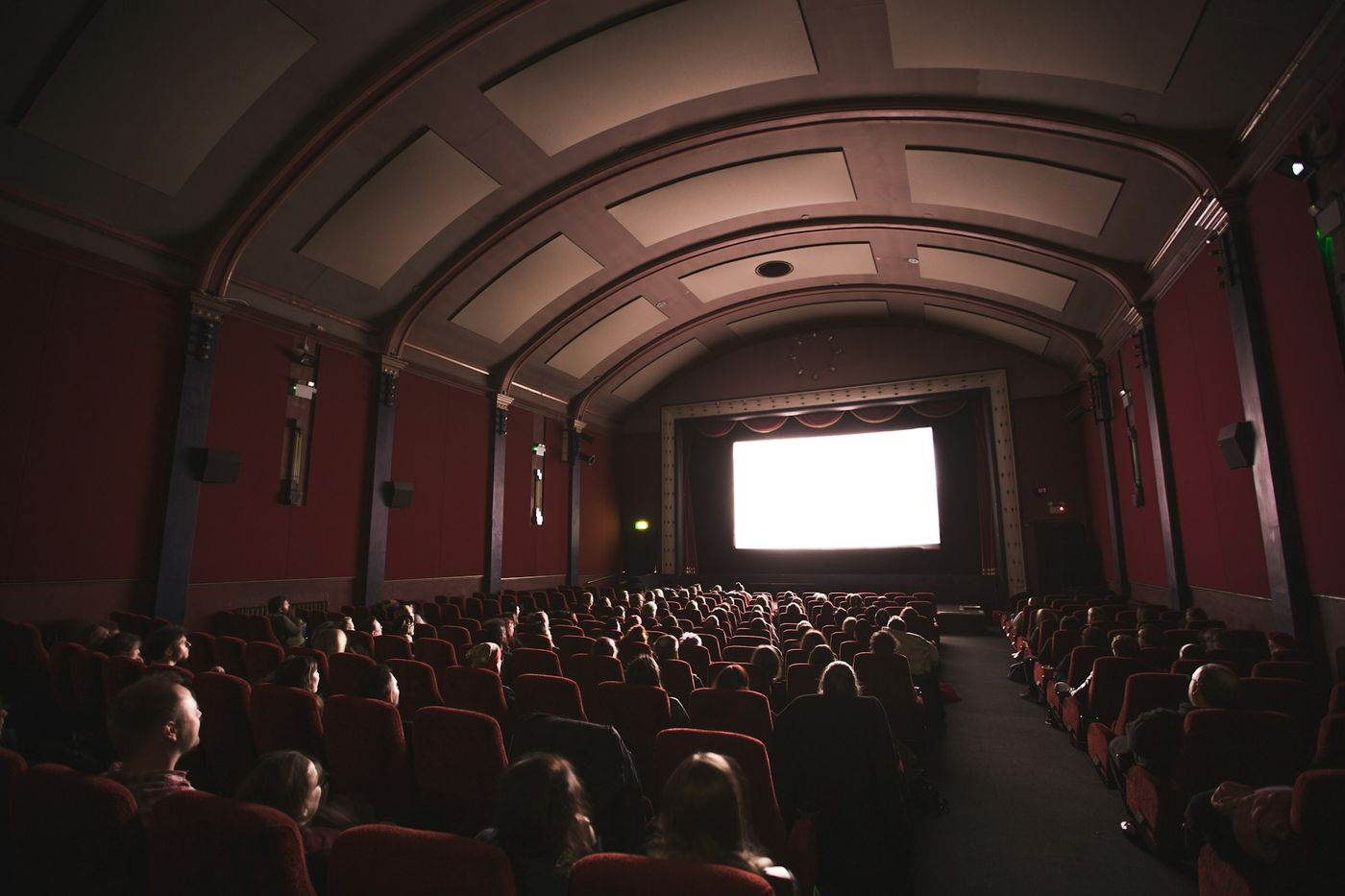
Every screening now needs captions and audio description ready.
BYour operation
B1
Launch windows measured in days
Trailers, assets and ticket pages ready at once, in every format and language.
B2
Rights in every asset
Music, footage, talent likeness and territories tracked for every cut and clip.
B3
AI without losing trust
Dubbing, localisation and synthetic media that artists and audiences accept.
What we build
The disciplines behind a typical film, music & live events programme.
A typical programme here draws on each discipline in this mix. Every line names what it builds for the industry and links to the capability that does the work.
Fix the ticket and the trailer first, then the fan relationship.
The way in reads your release, ticketing and fan journeys against the certification, accessibility and pricing rules, and ranks the fixes by conversion and by risk. Lengths are typical, never promised.
The way in
Ticketing and release-readiness audit
We buy tickets, watch trailers and join fan clubs the way audiences do, and check every step against the pricing, accessibility and labelling rules.
Releases with captions and audio description on day one
Fan-club and pre-sale conversion
Time from final cut to campaign-ready assets
AI, under the rules
AI localises and versions, artists consent to every likeness.
Each use case has an owner, an evaluation set and a log; synthetic media is labelled, and no voice or face is used without written consent.
Use case 01
Localisation and dubbing
Measured byLocalised versions shipped per release
Tested forOWASP LLM02 · Sensitive information disclosure
agent / localisation-and-dubbingGuarded
TaskProduces subtitles, dubs and versions of approved cuts for each language and territory.
GuardrailVoices are synthesised only with the performer’s written consent; every synthetic track is labelled and carries provenance metadata.
HumanThe localisation lead approves every version.
LogSource cut, consent record, model version and approver.
✓Ships only with its evaluation set, its guardrail and an owner
Use case 02
Audio-description drafts
Measured byReleases with audio description on day one
Tested forOWASP LLM09 · Misinformation
agent / audio-description-draftsGuarded
TaskDrafts audio-description scripts from the final cut for a describer to edit and record.
GuardrailDrafts only; no description is published without a human describer’s edit.
HumanA trained describer edits, records and signs off every script.
LogDraft, edits and sign-off.
✓Ships only with its evaluation set, its guardrail and an owner
Use case 03
Fan service assistant
Measured byTicket questions resolved without a call
Tested forOWASP LLM01 · Prompt injection
agent / fan-service-assistantGuarded
TaskAnswers ticketing and access questions from the event record and the published policy.
GuardrailNever invents availability or fees; refunds and exceptions go to a person.
HumanThe box-office team reviews flagged conversations daily.
LogQuestion, policy cited and outcome.
✓Ships only with its evaluation set, its guardrail and an owner
Work and insights
Case studies stay private until a client approves them.
No film, music & live events client is named or described without written approval. Here is what we have written that bears on the industry.
A typical programme · composite
A music promoter rebuilt its ticketing journey so every fee shows on the first screen and seat maps are live, and moved its campaign assets into a rights-aware library that versions each poster and clip by territory.
Anonymised and illustrative: the shape a programme takes, never a named client.
Related reading
Nothing published on film, music & live events yet. Ask us what we are seeing in the industry.
Q.01Do you work with streaming services as well as studios?
Yes: studios, labels, promoters, venues and streaming services. Streaming brings the code of ethics’ ratings and parental controls; theatrical release brings certification and the accessibility standards. We design for each.
Q.02Can AI dub our films?
Yes, with the performer’s written consent for any synthetic voice, a label on synthetic tracks and provenance metadata in every file. For releases in the EU, the AI Act’s transparency duties for deepfakes apply from 2 August 2026, with allowances for evidently artistic work.
Q.03How do we make every release accessible?
By producing captions and audio description with each cut rather than after it, and promoting the accessible versions with the release. We build that into the delivery checklist, from trailer to final print.
Q.04Can you fix our ticketing before the next on-sale?
We design and build ticketing journeys with live seat maps and every fee shown up front, load-tested for on-sale peaks and integrated with your ticketing platform.
Keep exploring
Next in media, telecom & entertainment, then every sector we cover.